
Ukrainian Foreign Minister Andrii Sybiha has told Russian President Vladimir Putin to stop complaining about attacks on Russian oil refineries and to instead bring an end to the Kremlin's war. The remarks follow Putin's public warning that retaliatory action from Moscow is inevitable.
Putin had complained during a Kremlin meeting that Ukraine continues to target refining facilities despite U.S. President Donald Trump's appeals to refrain from doing so. Meanwhile, peace negotiators from Russia, Ukraine, and the United States met in Abu Dhabi for high-stakes diplomatic talks.
What happened
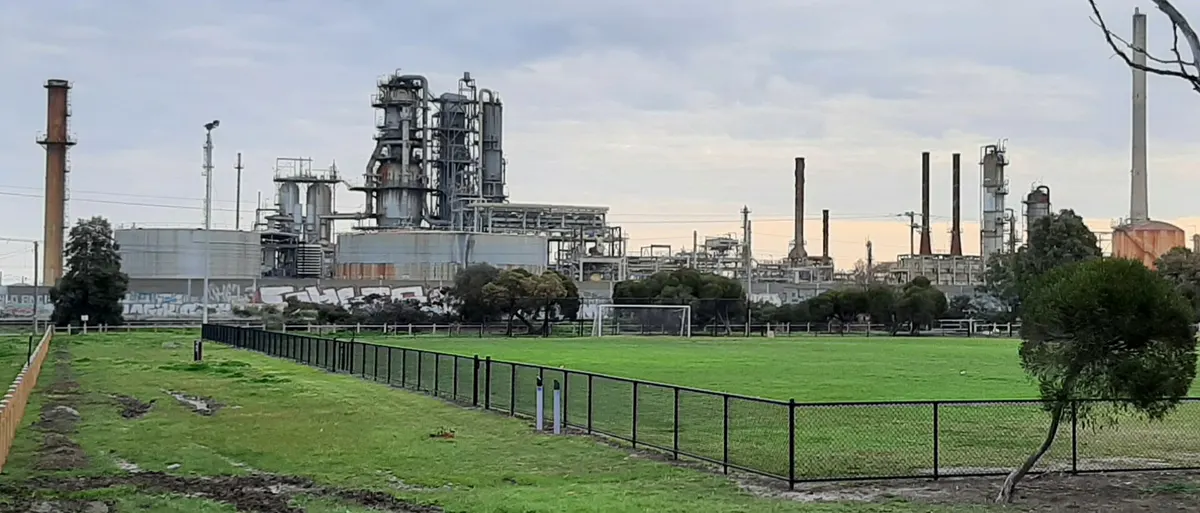
Ukrainian drones struck multiple major Russian oil facilities, including refineries in the Samara region, triggering large fires and reportedly killing two people in a strike. Russian state-controlled oil company Rosneft subsequently introduced gasoline sales restrictions in several Russian regions, limiting fuel purchases per person in places like Siberia's Krasnoyarsk Krai and banning the filling of canisters. Kyiv has intensified long-range strikes against Russian infrastructure in recent weeks, disabling more than 55% of Russia's oil-refining capacity according to Ukrainian President Volodymyr Zelenskyy, as well as targeting the Crimea bridge and Russian naval vessels.
Why it matters
The escalating drone campaign has disrupted fuel supplies inside Russia, forcing rationing and sparking fuel market challenges across Moscow's territory. Globally, the attacks and broader energy infrastructure strikes have fueled volatility in energy markets and diesel prices. The strikes also complicate diplomatic efforts, as U.S. officials push for a final end to the war while negotiating energy deals and ceasefires, though peace talks face severe hurdles over stark disagreements on territorial control.
The background
The conflict began with Russia's full-scale invasion of Ukraine in February 2022. Since then, both nations have heavily targeted each other's energy grids and infrastructure. U.S. President Donald Trump previously called on Kyiv to halt refinery strikes to lower global fuel prices, and earlier struck an agreement with Putin to ease sanctions in exchange for diesel releases. However, Ukraine views its refinery attacks as a justified, strategic response to ongoing Russian aggression and a direct countermeasure to Moscow's own attacks on Ukrainian energy facilities that have left civilians facing blackouts and freezing temperatures.
What happens next
Peace negotiators from Russia, Ukraine, and the U.S. continue high-level talks in Abu Dhabi to attempt to secure an end to the war, though deep divides remain over battlefield realities and territorial claims. Russia has promised inevitable retaliation for the refinery attacks, while Ukraine's allies warn the country faces another harsh winter under the threat of further Russian energy strikes.
Key takeaways
- Ukrainian Foreign Minister Andrii Sybiha told Vladimir Putin that he can end refinery strikes simply by ordering an end to the war.
- Rosneft introduced strict gasoline sales restrictions across several Russian regions following relentless drone attacks on key oil facilities.
- Ukrainian President Volodymyr Zelenskyy stated that long-range strikes have disabled more than 55% of Russia's oil-refining capacity.
- Peace negotiators from Russia, Ukraine, and the United States held high-level talks in Abu Dhabi to seek a resolution to the conflict.