
South Korea's central bank has raised its benchmark lending rate to 3.25 percent, marking its highest level in two years. Policymakers acted during their final meeting of the year as strong economic momentum allowed room to tighten policy further against persistent inflation.
While previous reports from earlier in the autumn showed the bank pausing to evaluate conditions at 3 percent, robust third-quarter growth and surging exports ultimately drove the central bank to execute a final 25-basis-ist increase.
What happened
The Bank of Korea raised its benchmark rate by 25 basis points to 3.25 percent, matching expectations from economists. This followed an earlier meeting in the autumn where the bank had held rates steady at 3.00 percent following back-to-back hikes in July and August. At the time of that pause, the central bank had signaled that further tightening remained on the table as it evaluated external risks and the lagging effects of earlier policy moves.
Inflation in South Korea has continued to run above the central bank's 2 percent target, standing at 2.8 percent in October. The central bank stated that inflation is expected to remain above target for a considerable time due to elevated cost pressures and strengthening demand-side pressures driven by robust economic growth.
Simultaneously, the central bank upgraded its economic growth forecasts, projecting GDP growth of 3.9 percent for 2026 and 4.1 percent for 2027, up from previous forecasts of 3.3 percent and 2.9 percent. South Korea's third-quarter GDP grew by 3.4 percent year on year, beating earlier expectations. Exports have powered ahead, supported by global spending on artificial intelligence and strong demand for semiconductors, with shipments from January to September topping US$800 billion for the first time ever.
Following the rate decision, the country's benchmark Kospi index rose 1.88 percent, while the South Korean won strengthened.
Why it matters
The policy tightening directly impacts borrowing costs for consumers and businesses in South Korea. Higher benchmark interest rates are designed to cool domestic demand and bring inflation back down to the central bank's 2 percent target. At the same time, the robust economic growth and booming export sector—particularly artificial intelligence hardware and semiconductors—provide a buffer against tighter monetary policy.
The background
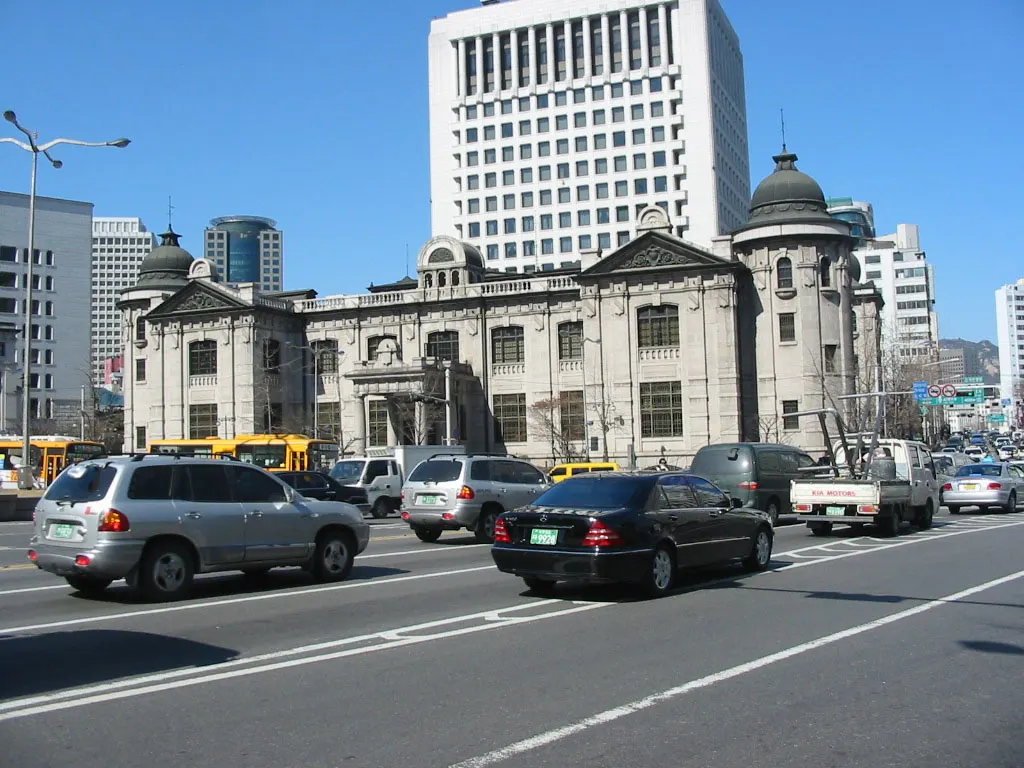
The Bank of Korea is the central bank of South Korea, responsible for formulating monetary policy, maintaining price stability, and supervising the financial system. Earlier in the year, the central bank initiated consecutive rate increases in July and August—its first back-to-back tightening moves in over three years—to combat rising energy prices and inflationary pressures fueled by global economic shifts and the artificial intelligence boom. Governor Shin Hyun Song has repeatedly emphasized that policy would remain restrictive until inflation reliably converges toward the 2 percent target.
What happens next
Despite the rate hike to 3.25 percent, analysts like Gareth Leather at Capital Economics suggest that the central bank's tightening cycle may now be drawing to a close. While rapidly rising property prices could argue for a prolonged cycle, observers believe the central bank is more likely to favor macroprudential measures over further rate hikes to address financial stability concerns.
Key takeaways
- The Bank of Korea raised its benchmark lending rate by 25 basis points to 3.25 percent for its final meeting of the year.
- Inflation in South Korea stood at 2.8 percent in October and is expected to remain above the central bank's 2 percent target for a considerable time.
- South Korea's third-quarter GDP grew by 3.4 percent year on year, beating expectations and enabling the central bank to tighten policy.
- Strong export momentum, driven by global spending on artificial intelligence and semiconductors, has underpinned the country's economic growth.