
Federal Reserve officials facing the current artificial intelligence boom cannot simply copy the playbook used by former Fed Chairman Alan Greenspan during the dot-com era. While Greenspan held interest rates steady amid strong economic growth in the mid-1990s because he trusted the productivity gains of the internet, current economic metrics point in the opposite direction. Analysts argue that the Federal Reserve under Kevin Warsh may need to raise interest rates substantially to combat persistent inflation pressures. ## What happened During a discussion on CNBC, commentators examined whether the Federal Reserve could hold the line on interest rates the way Alan Greenspan did at the beginning of the dot-com era. In 1995 and 1996, Greenspan famously resisted inflation hawks on his committee and kept interest rates steady. He bet that the productivity promise of the internet revolution would curb inflation on its own. It would be ideal if Kevin Warsh could follow that same strategy during the massive artificial intelligence build-out and keep rates steady until technological productivity arrives. However, a review of current economic data reveals stark differences between the two eras. The current situation involves higher inflation, a larger capital-investment boom, and heavier monetary and fiscal stimulus boosting the economy. ## Why it matters The bottom line for the central bank is that the Federal Reserve looks like it has to hike interest rates, potentially by a substantial margin. This approach is necessary for the Fed to reach a stance comparable to Greenspan's position during the dawn of the previous major technological revolution. While massive capital expenditure spending on artificial intelligence could eventually yield higher productivity and lower inflation down the road, the initial front-end build-out is proving to be far more inflationary. ## What to know The current technological build-out presents unique challenges for a central bank already dealing with high inflation. In many ways, the modern economic environment is the exact opposite of what Alan Greenspan had to handle. Instead of dampening price pressures, the early stages of the artificial intelligence boom are proving to be more challenging and more inflationary, requiring aggressive monetary policy intervention. ## Key takeaways - Kevin Warsh faces a very different economic environment than Alan Greenspan did during the dot-com era. - Alan Greenspan held interest rates steady in the mid-1990s due to his belief in internet-driven productivity. - Massive capital expenditure spending on artificial intelligence is currently proving to be more inflationary at the front end. - The Federal Reserve may need to hike interest rates substantially to manage the current economic boom.
Finance
Why Kevin Warsh Cannot Copy Alan Greenspan on Interest Rates
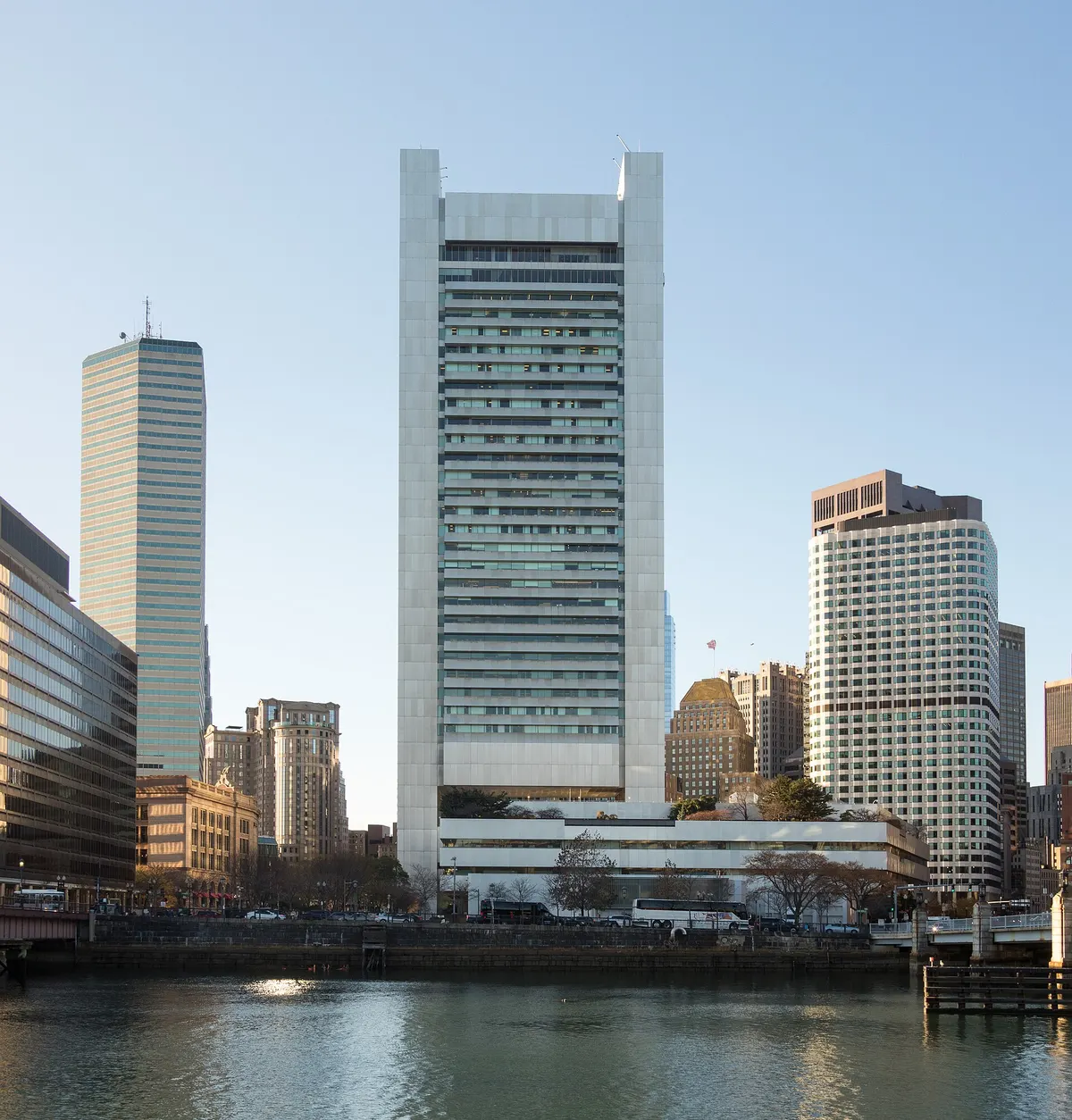
Photo: Rhododendrites, CC BY-SA 4.0 / Wikimedia Commons
While former Fed Chair Alan Greenspan held interest rates steady during the internet boom, current conditions mean Kevin Warsh may need to raise rates to fight inflation.
Go deeper
Want more on this story? Our research assistant searches the latest reports across the web and explains what it finds, so you get the fuller picture in one place.