
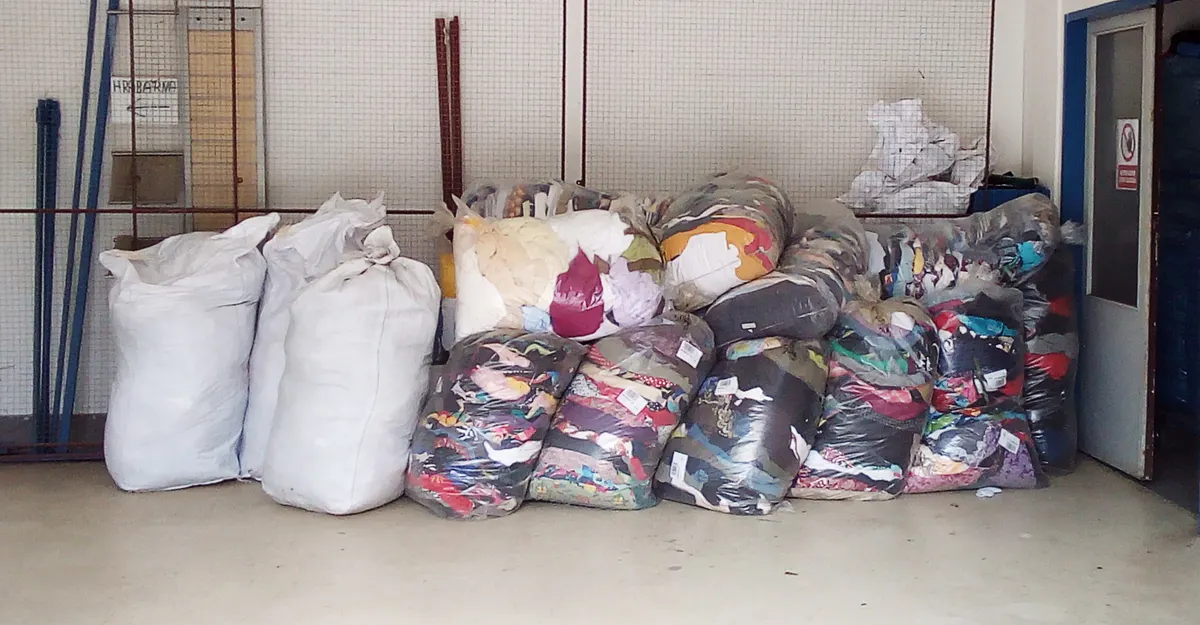
Shoppers are turning to secondhand retail and thrifting in record numbers this holiday season as high inflation and elevated living costs press household budgets. Rather than relying entirely on traditional retail, buyers are using pre-owned clothing, furniture, and electronics to stretch their gift money and find unique presents.
Data from major industry reports shows that resale is moving from a niche alternative into a core strategy for holiday spending. Younger shoppers, particularly Generation Z and millennials, are driving much of this expansion, while many consumers are also selling their own items to help finance seasonal purchases.
What happened
Recent industry reports highlight a clear shift toward resale shopping ahead of the holidays. A survey by ThredUp revealed that 62 percent of U.S. adults plan to buy secondhand items this holiday season, allocating an average of 37 percent of their holiday gift budgets to pre-owned goods. That share jumps even higher among younger generations, reaching 45 percent for millennials and 43 percent for Generation Z.
The market trend extends far beyond single purchases. Research from eBay shows that 47 percent of surveyed global consumers now buy secondhand products at least monthly, up from 35 percent in 2025. In the United States, 36 percent of consumers consider secondhand shopping "very important" for managing household budgets, compared to 28 percent globally. Furthermore, 70 percent of global consumers report that secondhand shopping plays an important role in managing their household financial planning.
The push into resale is also happening on the selling side. ThredUp found that 53 percent of survey respondents have sold or plan to sell their own belongings to help pay for holiday purchases. On eBay's platform, 45 percent of U.S. sellers report that resale provides supplemental income, while 25 percent state that income from resale provides vital support for their household earnings.
Why it matters
The turn toward secondhand items reflects broader economic strains on household finances. High inflation and elevated gas prices have made consumers far more deliberate in their spending. Although overall holiday retail sales are projected to top $1 trillion for the first time, analysts note that part of that spending total reflects higher prices across the economy rather than pure growth in volume.
For shoppers, secondhand retail offers both financial relief and practical value. Beyond lower price tags, buyers point to better material quality in older items compared to fast, mass-produced modern goods. Retail analysts note that uniqueness and individual style are primary motivators, with 52 percent of respondents in ThredUp's survey citing unique items as a top reason for accepting secondhand gifts. Millennial shoppers valued uniqueness even more than price, with 59 percent highlighting it over basic cost savings.
The trend also creates economic opportunities for independent sellers and small businesses. Around 70 percent of sales on eBay come from small businesses, meaning the surge in pre-owned buying supports small-scale operations alongside everyday families trying to offset rising living costs.
The background
The U.S. secondhand apparel market grew by 13 percent in 2025, expanding nearly four times faster than the overall retail clothing market according to data from GlobalData. The analyst firm projects the secondhand clothing market alone will reach nearly $80 billion by 2030, growing at an average annual rate of more than 7 percent.
Generation Z accounted for 40 percent of that market expansion, followed closely by millennials. While clothing served as the primary entry point for resale shopping, consumer research from firms like The Consumer Collective shows buyers are rapidly adopting secondhand choices in furniture, electronics, and books. In an October report, 34 percent of surveyed consumers stated that secondhand goods offer better value than brand-new items.
Retail analysts compare current thrift shopping habits to the search for value seen during economic downturns, though modern resale has gained social cachet that makes pre-owned gifts widely accepted.
What happens next
Resale adoption appears set to remain strong beyond the current holiday period. eBay's research indicates that 89 percent of surveyed consumers plan to maintain or increase their secondhand spending next year compared to this year, with 53 percent of respondents aged 18 to 29 expecting to buy even more pre-owned goods over the next 12 months.
Retailers and resale platforms expect heightened competition during November and December as shoppers balance holiday gift lists against expected social gatherings. With 42 percent of consumers planning to spend more on the holidays than last year and another 42 percent planning to keep spending equal, secondhand platforms are positioning themselves as crucial tools for consumers navigating squeezed holiday budgets.
Key takeaways
- Sixty-two percent of U.S. adults plan to shop secondhand for the holidays, allocating an average of 37 percent of their gift budgets to pre-owned items.
- Generation Z drove 40 percent of recent secondhand market growth, while 53 percent of young adults plan to buy more pre-owned items next year.
- Fifty-three percent of consumers have sold or plan to sell personal belongings to help finance their holiday purchases.
- The U.S. secondhand apparel market expanded 13 percent in 2025 and is projected to reach nearly $80 billion by 2030.