
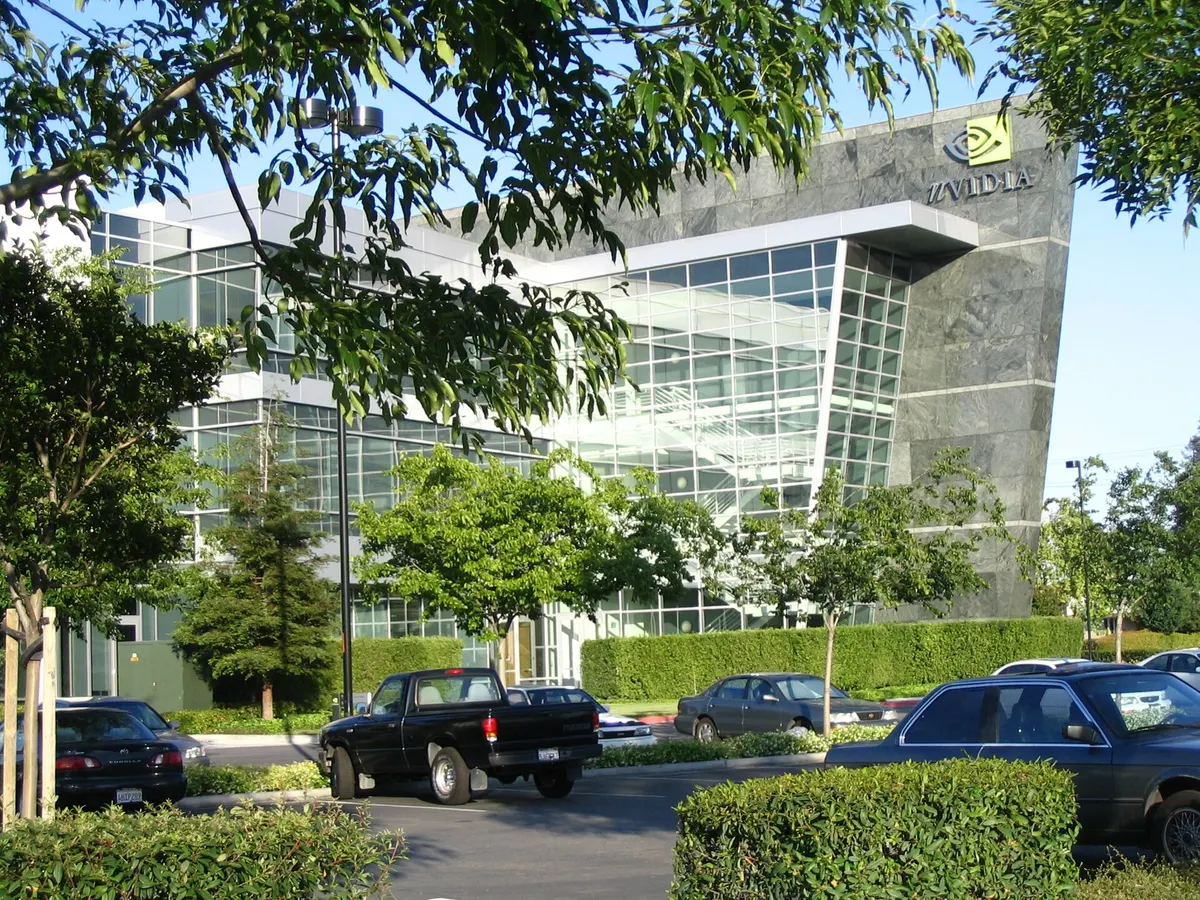
Investors are beginning to scrutinize the massive financial bill required for the artificial intelligence build-out. While a stock market rebound was recently sparked by Jensen Huang's reinstatement as Nvidia CEO, debt markets are showing signs of strain as lenders grow pickier over corporate bonds.
Big Tech companies could find it increasingly difficult to secure funding from debt markets. The era of spending first and asking questions later appears to be ending as investors demand concrete evidence that enormous capital expenditures are adding actual value for shareholders.
What happened
Jensen Huang returned to Nvidia as CEO on Monday, providing a temporary lift to tech shares on Wall Street following a sharp market sell-off. Despite this short-term equity rebound, investors are asking harder questions about AI spending. Dan Taylor, deputy chief investment officer and CIO equities, systematic at Man Group, noted that the market is fragmenting beyond the simple trade of buying chipmakers and selling software. Anthropic went public on November 19 in the largest stock market debut ever and is close to breaking even on free cash flow, but Taylor warned that the rest of the AI trade faces tougher scrutiny. Heavy spenders and debt issuers like Oracle, Google owner Alphabet, and certain chipmakers plunged 25% to 45% between their June peak and Friday's market close. Conversely, Apple, which stayed out of the AI spending race, rose almost 20%. Nvidia shares closed about 5.9% lower on Tuesday after surging more than 31% on Monday following Huang's return.
Why it matters
Bond markets have been consistently more bearish on Big Tech hyperscalers than equity markets due to fundamental credit quality concerns and the sheer volume of debt issuance. Matthew Rees of L&G Asset Management pointed out that investment-grade BBB names like Oracle and SpaceX are trading more like riskier single-B ratings. PIMCO, citing Goldman Sachs data, expects the largest AI companies to tap about $250 billion through bond sales this year, with total borrowing across the wider AI industry reaching up to $570 billion. Microsoft, Amazon, Meta, and Alphabet are projected to spend more on capital projects than their businesses generate in cash in 2026 and 2027. Cole Smead of Smead Capital Management warned that this spending boom is leaving companies with less cash to buy back shares during sell-offs, raising serious questions about whether investors buying data center debt are being paid enough for the risks they take.
The background
The artificial intelligence build-out has triggered an unprecedented corporate borrowing wave across the technology sector, involving chipmakers, utilities, and data center developers. Major cloud providers, often referred to as hyperscalers, have poured hundreds of billions of dollars into capital projects to secure computing dominance. Debt markets provide a crucial funding mechanism for this infrastructure, but lenders are increasingly worried about supply volumes and fundamental credit risks. Meanwhile, individual companies like Nvidia sit at the center of the hardware supply chain, providing the advanced microchips that power these massive data-center expansions.
What happens next
Dan Taylor stated that mega-cap tech spenders will likely need to show greater spending discipline and rebuild their free cash flow to sustain their market positions. For Nvidia and the broader semiconductor complex to continue recovering, they rely on those same major tech companies to maintain their capital expenditure plans. Observers are watching closely to see if tech giants will push their data center spending into future quarters or proceed with procurement as originally planned.
Key takeaways
- Big Tech companies face increasing hurdles in debt markets as lenders grow pickier over corporate bonds and demand proof of shareholder value.
- Anthropic completed the largest stock market debut ever on November 19 and is already close to breaking even on free cash flow.
- Heavy corporate spenders like Oracle and Alphabet plunged 25% to 45% between their June peak and Friday's market close.
- PIMCO expects the largest AI companies to tap about $250 billion through bond sales this year, with total industry borrowing reaching up to $570 billion.