
US and Iran Clash Over Conflicting Claims of Carrier Strikes and Tanker Seizures
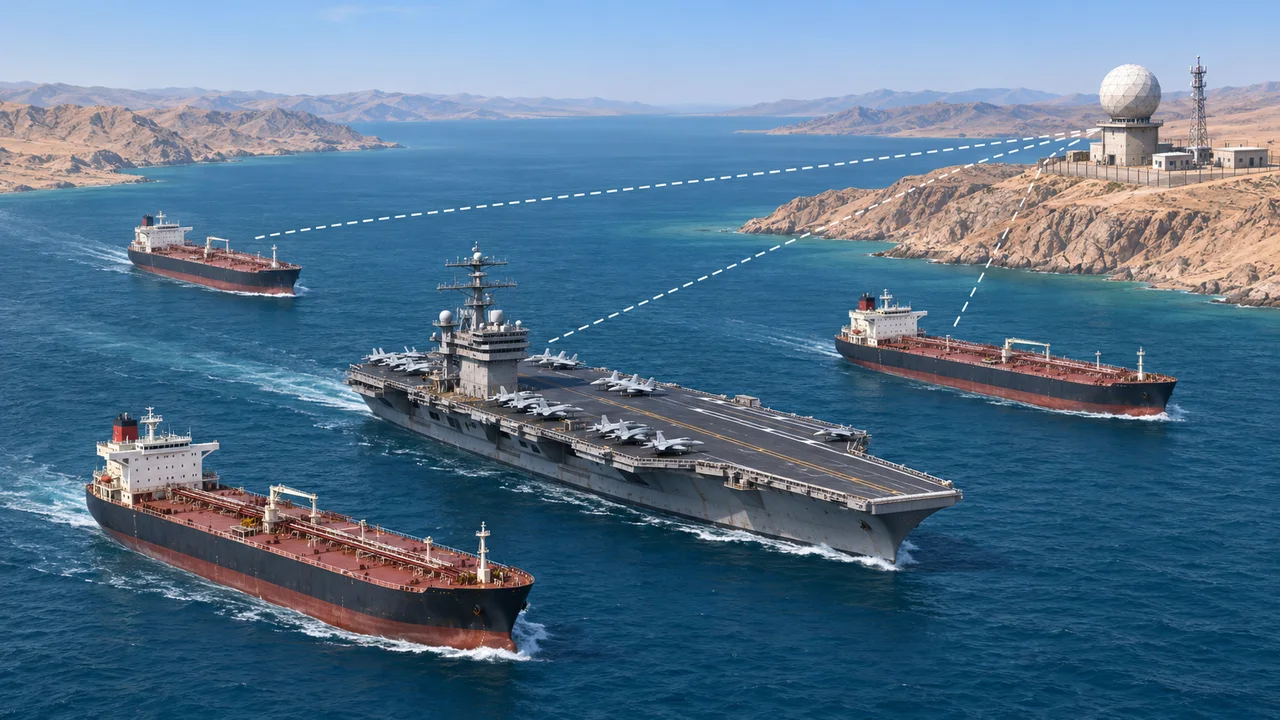
Illustration, not a photo of the event.
Tensions in the Middle East have escalated into a war of words as the United States military strongly denies a series of sweeping claims made by the head of Iran's Navy. While Iranian officials assert they successfully struck the USS Abraham Lincoln aircraft carrier and recaptured seized oil tankers, U.S. Central Command dismisses the statements as fabricated lies. The war of words unfolds against a backdrop of disrupted energy supplies, tanker attacks in the Strait of Hormuz, and an ongoing naval blockade.
- WhenLate February and November 2026
- WhereMiddle East, Strait of Hormuz, Persian Gulf
- WhoU.S. Central Command (CENTCOM), Iranian Navy Commander Amir Shahram Irani, Houthi fighters
- StatusOngoing war with active naval blockades, shipping attacks, and disputed military claims
What happened
A war of words erupted between the United States military and Iranian naval leadership over competing claims regarding military engagements and maritime control in the Middle East. The dispute centers on multiple assertions made by the head of Iran's Navy concerning naval battles, carrier strikes, and commercial shipping tolls in critical regional waterways.
U.S. Central Command swiftly pushed back against the statements, utilizing social media platform X to brand the Iranian accounts as fabricated falsehoods. The back-and-forth highlights the ongoing information battle running parallel to the active military conflict in the region.
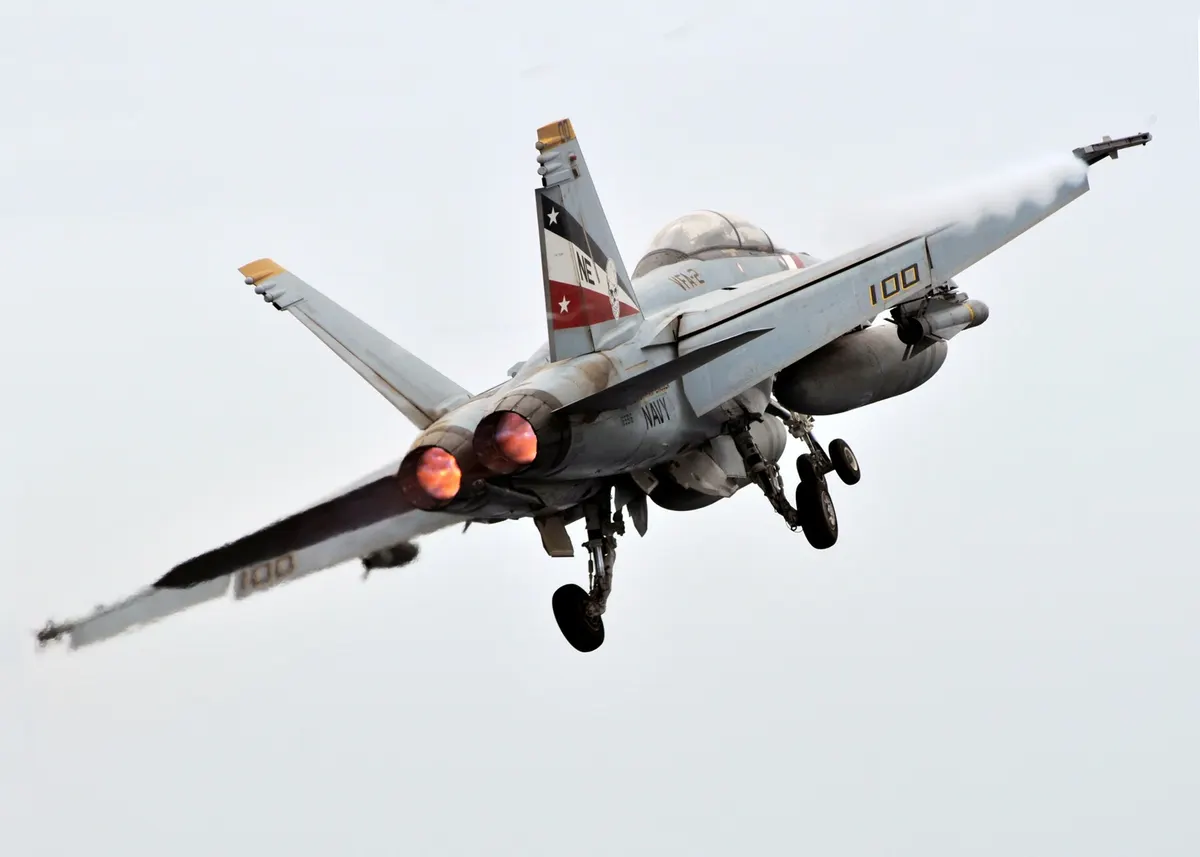
File photo: USS Abraham Lincoln CVN 72. Photo: U.S. Navy photo by Mass Communication Specialist 2nd Class J, Public domain / Wikimedia Commons
How it unfolded
The diplomatic and rhetorical flashpoint began when Iranian state media quoted Navy Commander Amir Shahram Irani detailing various military engagements. Irani claimed that Iranian commandos successfully retook two Iranian tankers that had been taken by the U.S., asserting that the U.S. protection team was asleep during the operation. He also claimed that Iranian forces struck the USS Abraham Lincoln aircraft carrier on the first day of the war.
In response, CENTCOM issued categorical denials. The U.S. military command stated that Iran no longer has a navy and that the entire narrative described by the Iranian commander was fabricated. CENTCOM also refuted claims that the U.S. charges millions of dollars for vessels transiting the Strait of Hormuz, emphasizing that freedom of navigation has been restored.
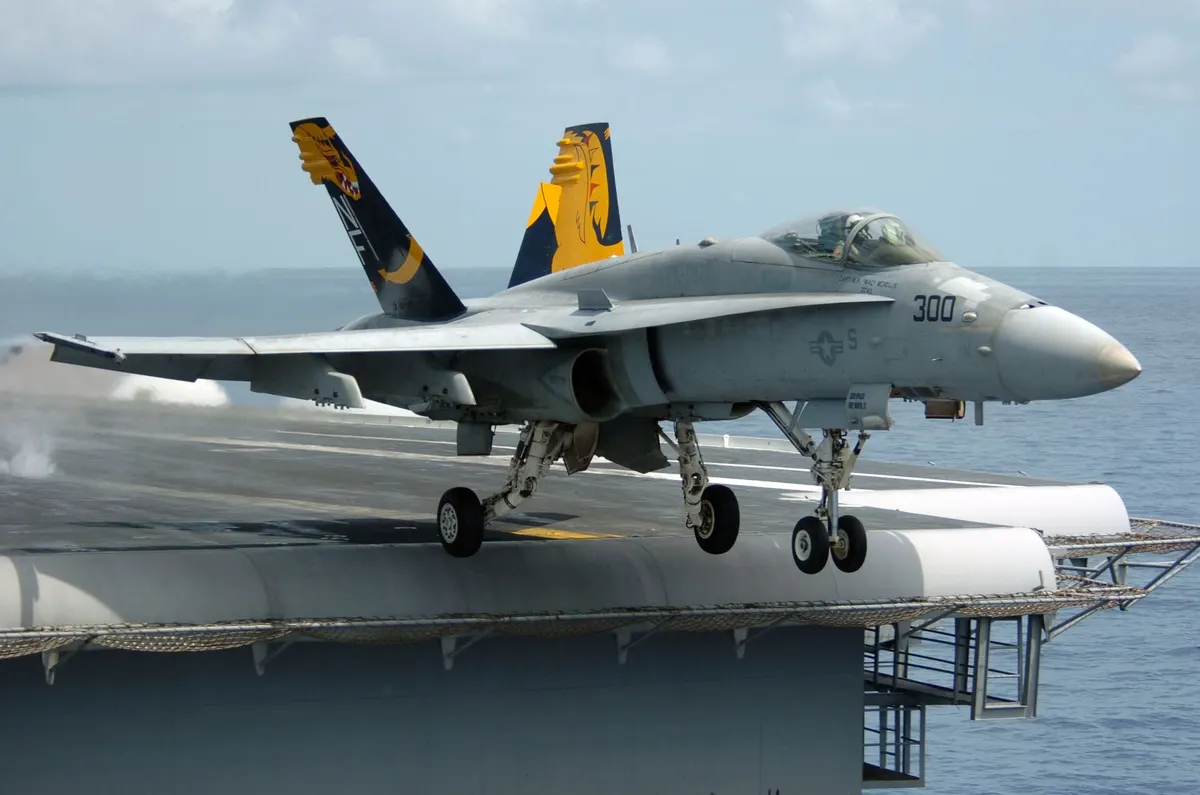
File photo: US Navy aircraft carrier. Photo: U.S. Navy photo by Photographer's Mate 3rd Class Jonathan Ch, Public domain / Wikimedia Commons
What the reports confirm
The reports confirm that U.S. Central Command and Iranian naval commander Amir Shahram Irani have publicly presented entirely contradictory accounts of wartime events in the Middle East. Both sides acknowledge that a war began on February 28 with joint U.S. and Israeli strikes against Iranian targets.
While Iranian state media and the rear admiral maintain that an untested missile struck the USS Abraham Lincoln at the outset of the conflict and that Iranian forces recaptured seized oil tankers, CENTCOM maintains that the carrier was never struck, completed a successful combat deployment, and safely returned to the United States last month. The reports also agree that the Strait of Hormuz is a vital flashpoint, though they differ sharply on whether transit fees are charged by American forces.
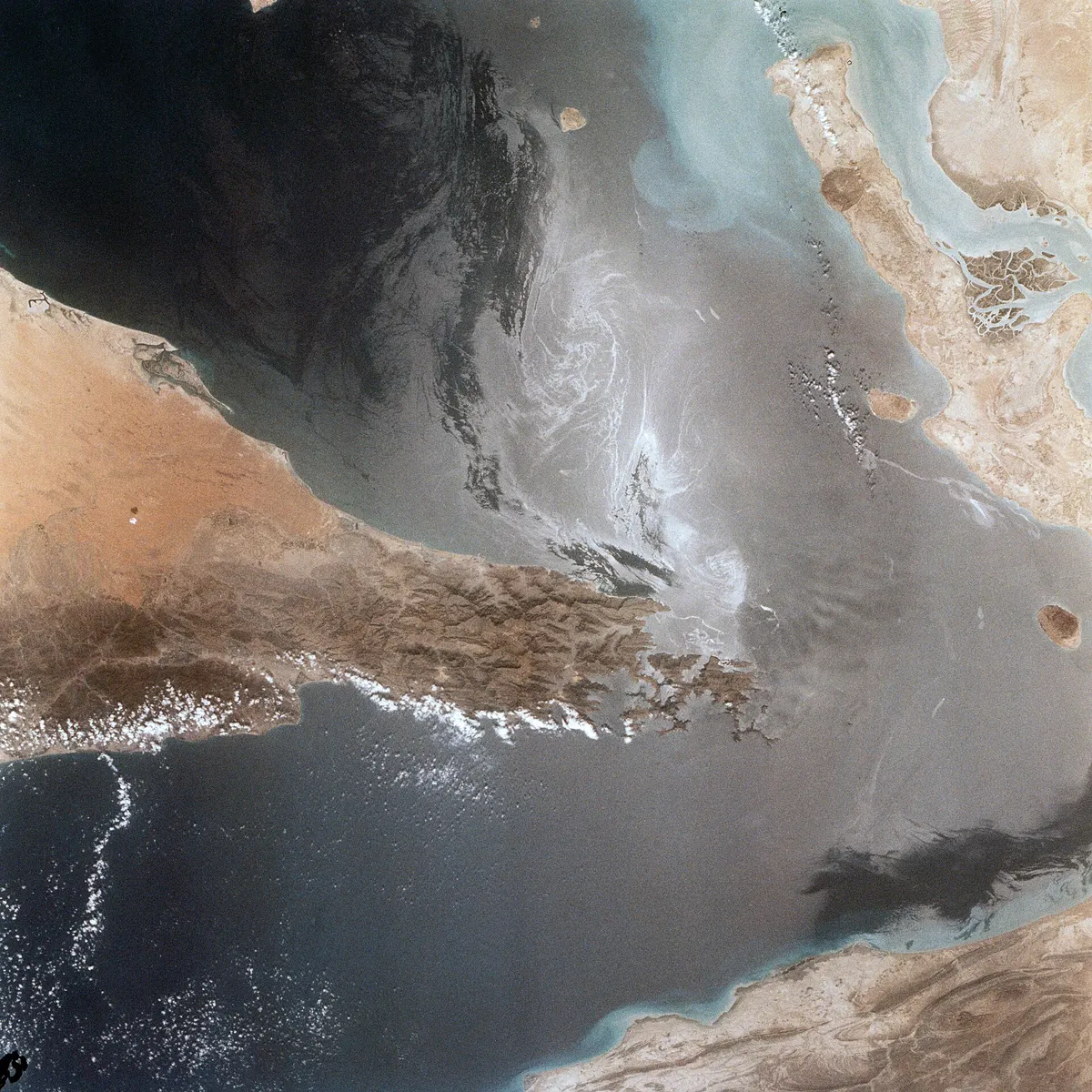
File photo: Strait of Hormuz. Photo: NASA, Public domain / Wikimedia Commons
Why it matters
The sharp divergence in narratives reflects a high-stakes information war accompanying a broader military conflict that has severely impacted global energy supplies. Disruptions and attacks on commercial tankers in the Strait of Hormuz have sent global oil prices soaring, directly affecting international markets and consumers worldwide.
Furthermore, the escalation involves secondary fronts, such as attacks by Tehran-backed Houthi fighters on shipping lanes south and west of the Arabian Peninsula, drawing in regional defense forces and Saudi-led coalitions. The security of these maritime trade routes is essential for the global flow of oil and international commerce.
The background
The current maritime confrontations take place against the backdrop of an ongoing war initiated on February 28 by U.S. and Israeli strikes against Iranian targets. Following the outbreak of hostilities, energy supplies through the Strait of Hormuz experienced severe reductions, triggering a surge in global oil prices.
In response to regional instability and shipping threats, the United States has enforced a naval blockade of Iranian ports and reinforced its regional presence, including the deployment of a third aircraft carrier, the USS Theodore Roosevelt, to the Middle East. Concurrently, groups like the Houthi movement in Yemen have engaged in repeated attacks on regional shipping and Saudi targets.
Response and aftermath
The immediate aftermath of the conflicting claims saw continued security alerts and defensive actions across the region. In Saudi Arabia, civil defense forces issued several alerts, while the Saudi-led Coalition to Support Legitimacy in Yemen reported intercepting and destroying two ballistic missiles launched by Houthi fighters toward southern Saudi Arabia.
Meanwhile, international maritime monitoring organizations continue to log security incidents at sea. The United Kingdom Maritime Trade Operations reported that the master of a cargo ship was boarded by armed unauthorized persons southwest of Balhaf in Yemen, underscoring the persistent danger to commercial vessels navigating regional waters.
What we still don't know
Significant details regarding the true operational status of specific naval engagements remain obscured by the conflicting propaganda and official statements of the warring parties. It remains unclear which groups or individuals were behind the unauthorized boarding of the cargo ship reported off the coast of Yemen, as no organization has claimed responsibility for that specific incident.
The full extent of damage or tactical positioning for both U.S. and Iranian naval assets cannot be independently verified beyond the official declarations issued by military commands and state media.
Want more on this story? Our research assistant searches the latest reports across the web and explains what it finds, so you get the fuller picture in one place.