
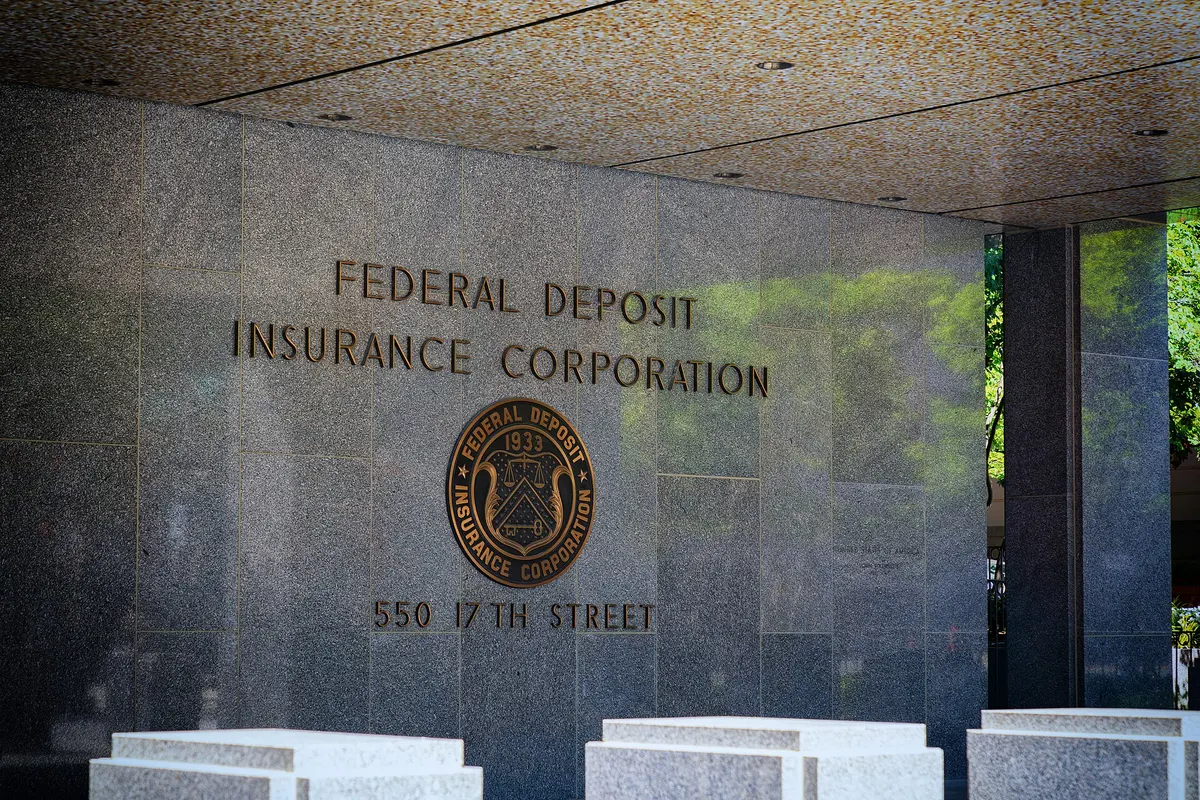
Federal regulators have shut down United Fidelity Bank, based in Evansville, Indiana, after determining the institution was in an unsafe financial condition. The Office of the Comptroller of the Currency appointed the Federal Deposit Insurance Corporation as receiver for the bank on Friday, November 27, 2026.
First-Citizens Bank & Trust Company of Raleigh, North Carolina, quickly stepped in to purchase and assume substantially all of the failed bank's deposit accounts and assets. The sudden failure marks the largest U.S. bank closure since April 2024, though officials moved swiftly to protect customer funds and ensure branches reopened under new management.
What happened
The Office of the Comptroller of the Currency acted to close United Fidelity Bank after concluding that the institution was in an unsafe or unsound condition to conduct normal business operations. Regulators determined the bank was likely unable to meet its ongoing obligations or satisfy customer withdrawal demands in the ordinary course of business.
Upon taking over as receiver, the Federal Deposit Insurance Corporation arranged a purchase and assumption agreement with First-Citizens Bank & Trust Company, widely known as First Citizens. Under the deal, First Citizens agreed to take over substantially all of United Fidelity Bank's deposit accounts, excluding certain brokered deposits.
United Fidelity held approximately $5.9 billion in total assets as of September 30, 2026. However, First Citizens agreed to assume about $4.5 billion of the bank's deposits and took on $3.1 billion of its loans at a steep discount of $2.6 billion, reflecting concerns that many of those loans were troubled.
The federal deposit insurance fund is estimated to take a significant loss of roughly $1.83 billion from the failure. The former United Fidelity Bank branches, which numbered 22 locations spread across Indiana, Illinois, Florida, Colorado, and the U.S. Virgin Islands, were scheduled to reopen as First Citizens branches during regular business hours starting Saturday.
Why it matters
Bank failures immediately rattle public confidence in the financial system, making the safety of customer money the primary concern. For everyday depositors at United Fidelity Bank, the intervention aims to provide uninterrupted access to their money.
Customers can continue using their existing checks, debit cards, and ATM access without interruption. Direct deposits such as paychecks and government benefits continue to post as usual, and loan terms remain unchanged. Transferred deposits are separately insured from any existing accounts customers might already hold with First Citizens for at least six months following the failure.
For the broader financial industry, the failure carries a heavy price tag. The estimated $1.83 billion hit to the deposit insurance fund represents an unusually high loss relative to the bank's total size, underscoring the severity of the financial distress inside the institution before regulators intervened.
The background
When a federally insured bank faces severe financial distress or insolvency, federal regulators step in to protect the banking system and the public. The Office of the Comptroller of the Currency charters and supervises national banks and federal savings associations, giving it the authority to close institutions that fall into unsafe conditions.
The Federal Deposit Insurance Corporation is an independent agency created by Congress to maintain stability and public confidence in the nation's financial system. When a bank fails, the agency acts as receiver, managing the liquidation of assets or arranging for a healthy institution to acquire the failed bank's deposits and branches.
First Citizens has experience acting as a distressed buyer during major banking crises. The North Carolina-based lender previously acquired large portions of Silicon Valley Bank following its high-profile collapse during the regional banking crisis of 2023.
What happens next
First Citizens will review the deposit rates inherited from United Fidelity Bank and notify customers of any future changes. Depositors retain the right to withdraw funds from transferred accounts without facing early withdrawal penalties until they establish new deposit agreements with First Citizens.
Borrowers must continue making regular loan and escrow payments under their existing terms, while anyone with loans in process or open lines of credit has been instructed to contact their loan officer. Creditors who have not been paid for services rendered by November 27, 2026, may be eligible to file a formal claim against United Fidelity Bank.
Federal regulators and the acquiring bank warned customers to remain vigilant against fraud schemes. Neither the Federal Deposit Insurance Corporation nor First Citizens will contact customers asking for private information, and individuals were urged to use official secure web portals for customer service inquiries.
Key takeaways
- Federal regulators shut down United Fidelity Bank of Evansville, Indiana, after determining the institution was in an unsafe or unsound financial condition.
- First-Citizens Bank & Trust Company agreed to assume substantially all of the failed bank's deposits and assets, keeping 22 branches open for business.
- Customers retained full access to their funds, with debit cards, checks, direct deposits, and existing loan terms continuing without interruption.
- The Federal Deposit Insurance Corporation estimated that the bank failure will cause a heavy loss of approximately $1.83 billion to the industry deposit insurance fund.