
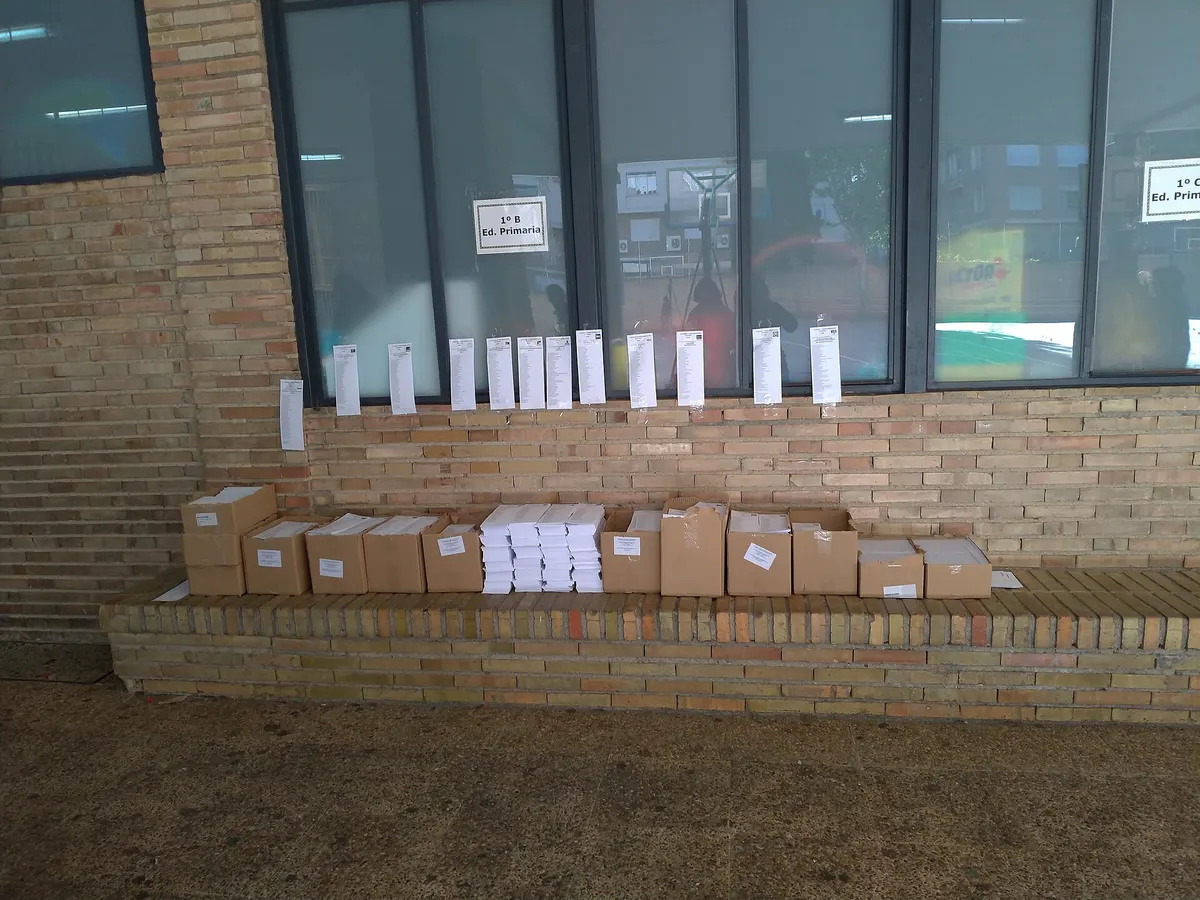
Voting is underway across Spain in a snap general election that could significantly shift the political balance of power in Europe. Millions of citizens are casting ballots at polling stations following a campaign dominated by housing affordability and cost of living concerns.
Prime Minister Pedro Sánchez called the election eight months early after parliament rejected his proposed housing decrees. Opinion polls indicate that Sánchez is trailing narrowly behind his main rival, Alberto Núñez Feijóo of the conservative Popular Party, raising the possibility of a right-wing coalition government.
What happened
Polling stations opened at 09:00 local time and are scheduled to close at 20:00, with 38.6 million people called to the polls to elect 350 deputies and 209 senators for the 2026-2030 period. The election was triggered on October 2 when the Spanish parliament rejected two government housing decrees, prompting Sánchez to dissolve parliament. A lack of affordable housing emerged as the central theme of the campaign, compounded by broader cost-of-living pressures, immigration challenges, and voter scrutiny over two fatal high-speed railway crashes and corruption scandals. Sánchez's Socialist Party, known as the PSOE, faces strong competition from the conservative Popular Party, led by Alberto Núñez Feijóo. Opinion polls suggest Sánchez is trailing narrowly, though he expressed confidence in victory before a traditional day of reflection barred campaigning on Saturday.
Why it matters
This election carries major consequences for both Spain and the broader European Union. If the Popular Party wins the most seats but falls short of a majority, it may need the support of the far-right Vox party led by Santiago Abascal to secure power. Such a coalition would be the first of its kind in Spain since the transition to democracy following Francisco Franco's fascist dictatorship, potentially re-writing the nation's political landscape. Vox champions policies such as prioritizing Spanish citizens for welfare and the remigration of foreign nationals deemed non-contributory, stances that critics warn could roll back social rights. Meanwhile, Sánchez has positioned himself as a prominent voice on the international stage, drawing attention for his vocal opposition to Israel's actions in Gaza and criticism of United States President Donald Trump.
The background
Pedro Sánchez has governed Spain since 2018, leading fragile minority coalitions and surviving multiple political crises that earned him a reputation as a survivor. Spain's economy has frequently outperformed its Western European peers, yet mounting pressures from population growth, an aging demographic, and migration routes through the Canary Islands and Ceuta have strained resources and intensified political polarization. The Popular Party previously won the most seats in the 2023 election but failed to form a government, leading to Sánchez's previous administration. Campaigning ended on Friday ahead of voting day, with voters facing a stark choice between continuing leftist leadership or shifting toward a conservative-led bloc.
What happens next
Provisional voting results are expected to emerge roughly an hour after polling stations close at 20:00 local time, with official results trickling in through the night into Monday. Analysts anticipate another hung parliament, raising questions about whether any party can successfully form a governing coalition or if prolonged political stalemates will follow.
Key takeaways
- Millions of Spaniards are casting their ballots in a snap general election called eight months early by Prime Minister Pedro Sánchez.
- The election was triggered after the Spanish parliament rejected two government housing decrees amid a severe housing crisis.
- Opinion polls show Sánchez trailing narrowly behind Alberto Núñez Feijóo of the conservative Popular Party.
- A potential conservative victory could rely on the support of the far-right Vox party, marking a historic shift in Spanish politics.