
Six Dead After Small Plane Plunges Into Gulf of Mexico Off Mississippi Coast
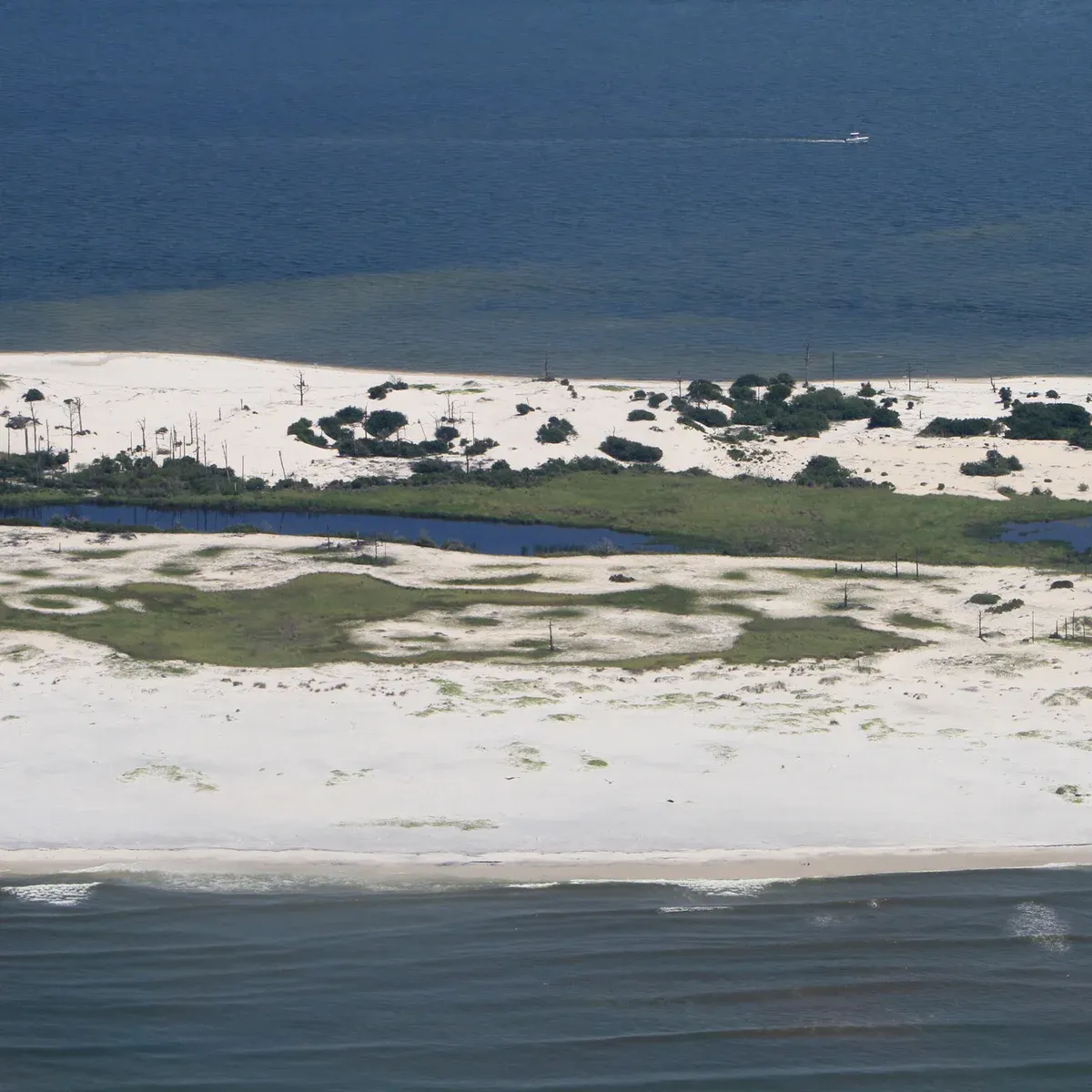
Six people, including two children, were killed on Tuesday when a Cessna 210 aircraft crashed into the Gulf of Mexico off the coast of Mississippi. Emergency responders recovered the victims' bodies from the plane's fuselage following a multi-agency search operation. Federal aviation authorities have launched an investigation to determine the cause of the sudden descent and crash.
- WhenTuesday afternoon
- WhereGulf of Mexico between Pascagoula and Horn Island, Mississippi
- AircraftCessna 210 traveling from New Orleans to Fort Myers, Florida
- CasualtiesSix fatalities (four adults and two boys aged 8 and 10)
- Investigating AgenciesNational Transportation Safety Board and Federal Aviation Administration
Photos
1 photosWhat happened
Six people have been confirmed dead following the crash of a small aircraft off the coast of Mississippi on Tuesday. The flight, carrying four adults and two boys aged 8 and 10, went down in the waters of the Gulf of Mexico between Pascagoula and Horn Island.
Divers located the victims' bodies inside the fuselage of the aircraft after hours of searching by rescue crews. Initially, search teams recovered only floating debris, which included three life jackets, a life raft, and the cabin of the plane.
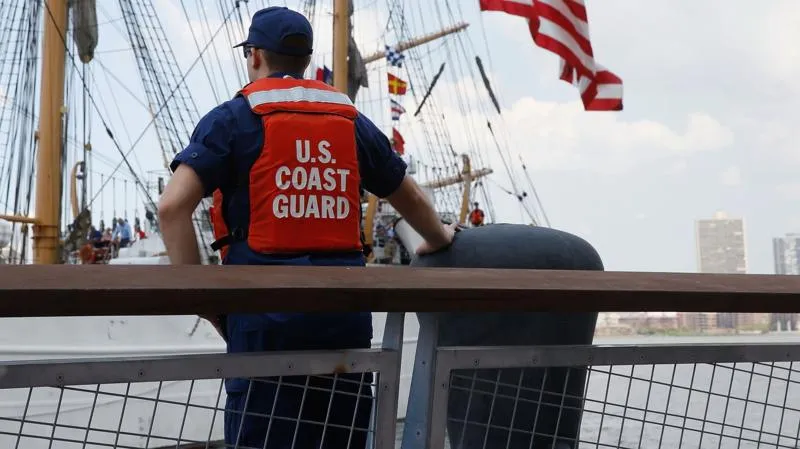
A United States Coast Guard service member stands aboard a vessel during operations.
How it unfolded
According to flight tracking data from FlightAware, the Cessna 210 was travelling from New Orleans, Louisiana, to Fort Myers, Florida. Air traffic control lost contact with the aircraft during the afternoon on Tuesday.
Reports regarding the exact timeline of the lost contact vary slightly among officials. The air traffic control regional tower in Mobile, Alabama, noted the loss of signal at approximately 3:45 p.m., while other accounts place the incident around 3:30 p.m. Authorities noted that the aircraft experienced a severe downward trajectory, descending at a rate of 10,000 feet per minute before radar contact was severed.

Emergency vehicle lights flashing at a response scene.
What the reports confirm
Multiple official accounts verify that the aircraft was a Cessna 210 en route from New Orleans to Fort Myers and that six individuals—four adults and two children—lost their lives. Coast Guard spokesperson Juan Ros and rescue mission coordinator Cmdr Trevor Blount both confirmed the recovery of the victims' bodies from the fuselage and the initial discovery of the floating cabin, life raft, and three life jackets.
Discrepancies among reports involve the precise timing of the lost radar contact, with times cited between 3:30 p.m. and 3:45 p.m., and differing attributions of the rapid descent data between regional towers and federal agencies. Additionally, one report includes background on a separate recent aviation accident in Florida that is not mentioned in the other accounts.
The people involved
The occupants of the aircraft included four adults and two young boys, specifically noted as being eight and 10 years old. Identities of the victims have not been publicly disclosed by authorities.
Response efforts were coordinated by the United States Coast Guard, featuring statements from spokesperson Juan Ros and Sector Mobile Search and Rescue Mission Coordinator Cmdr Trevor Blount, who expressed gratitude for the interagency coordination that aided the search.
Why it matters
Aviation accidents involving fatalities prompt intensive safety reviews by federal regulators to understand structural, mechanical, or environmental factors that may have contributed to a sudden loss of control. The involvement of young children among the victims elevates the local and regional impact of the tragedy.
For the families of the victims, the swift recovery operation provided closure, ending hours of uncertainty following the sudden disappearance of the flight from radar.
The background
The Cessna 210 is a single-engine, high-wing general aviation aircraft commonly used for private and commercial cross-country travel. The route between New Orleans and Fort Myers spans across southern states and coastal waters.
The crash site in the Gulf of Mexico near Pascagoula places the wreckage near Horn Island, which forms part of the Gulf Islands National Seashore, a protected coastal area stretching along the Gulf of Mississippi and Florida.
Response and aftermath
The United States Coast Guard led a multi-agency search and rescue operation involving hours of scanning the waters off the Mississippi coast. Responders utilized maritime and aviation resources to locate debris and eventually deploy divers to the submerged fuselage.
Following the recovery operation, federal authorities initiated formal procedures to examine the wreckage and flight data to determine the sequence of events leading up to the disaster.
What happens next
The National Transportation Safety Board will lead an official investigation into the crash, with assistance from the Federal Aviation Administration. Investigators will examine maintenance records, weather conditions in the Gulf of Mexico at the time of the flight, and recovered aircraft components.
A preliminary report detailing factual findings is typically issued by the NTSB within weeks, while a comprehensive determination of probable cause can take several months.
What we still don't know
The specific cause of the sudden 10,000-foot-per-minute descent has not been reported. Authorities have not released the identities of the six victims, nor has information been made public regarding who was piloting the aircraft.
Want more on this story? Our research assistant searches the latest reports across the web and explains what it finds, so you get the fuller picture in one place.