
Metropolitan Police Still Plagued by Deep-Seated Prejudices, Review Warns
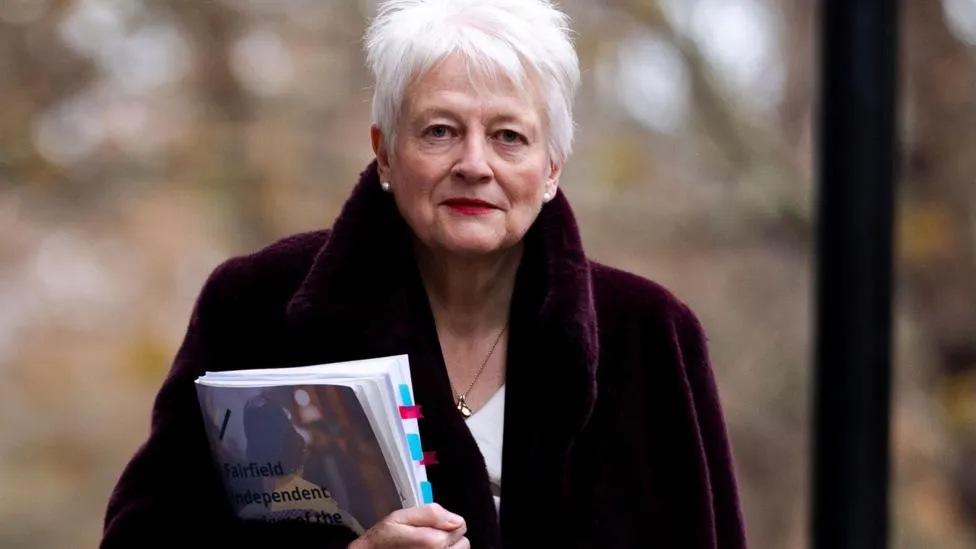
Dr Gillian Fairfield holding her independent review report evaluating changes within the Metropolitan Police.
A landmark follow-up review led by Dr Gillian Fairfield reveals that the United Kingdom's largest police force has failed to make sufficient progress in eradicating institutional racism, misogyny, and homophobia. Despite Met Commissioner Sir Mark Rowley accepting all ten recommendations for reform, the report underscores persistent cultural defenses and troubling treatment of bereaved families. Home Secretary Shabana Mahmood has welcomed the findings as the force faces continued pressure to rebuild public trust.
- OrganisationMetropolitan Police
- Key FigureDr Gillian Fairfield
- CommissionerSir Mark Rowley
- Status10 recommendations accepted
Photos
1 photosWhat happened
A newly published independent assessment has concluded that institutional racism, misogyny, and homophobia remain deeply embedded within the Metropolitan Police. Conducted by Dr Gillian Fairfield, the evaluation examined how much the nation's largest police force has changed following a scathing review published in 2023 by Baroness Louise Casey. According to the findings, the force has failed to make adequate progress across all areas previously flagged for vital improvement.
The review revealed that the Met continues to struggle with acknowledging racism as a structural problem rather than an individual behavioral flaw that can simply be corrected through training. Dr Fairfield noted that during strategic briefings, senior leaders avoided using the word 'racism' altogether, reflecting an entrenched institutional defensiveness that prevents the force from addressing its core cultural issues.
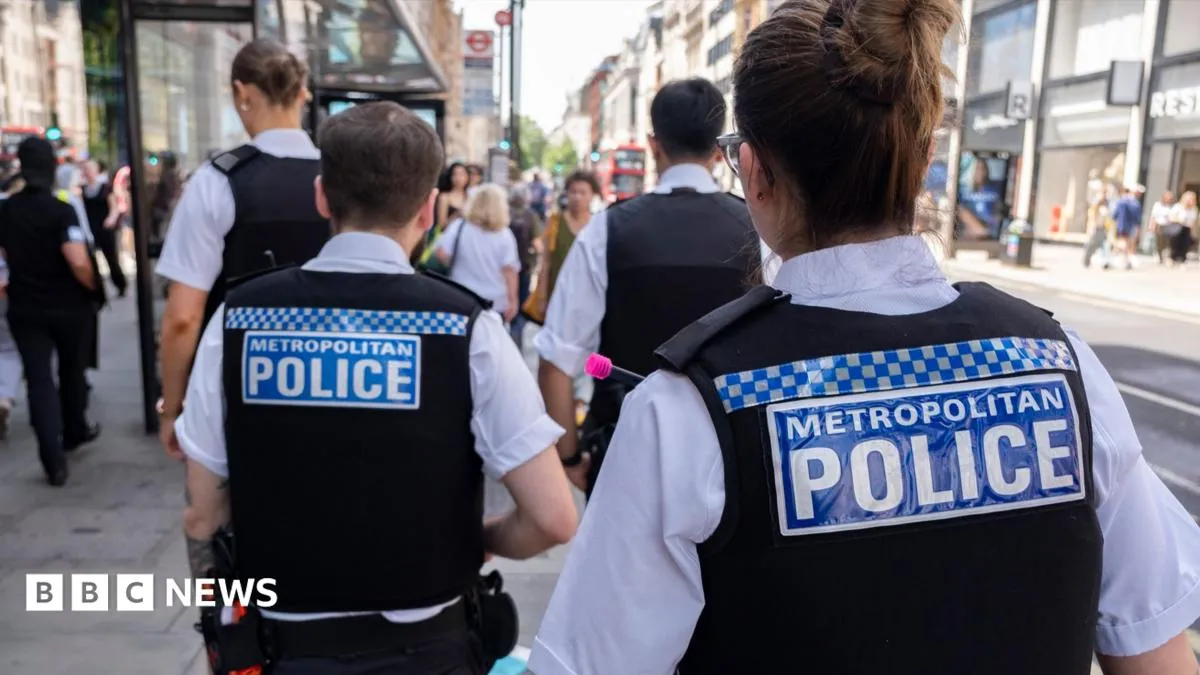
Metropolitan Police officers on patrol in London.
How it unfolded
The scrutiny follows a turbulent period for the force marked by multiple high-profile scandals, including the crimes of officers Wayne Couzens and David Carrick, alongside undercover media exposés detailing severe misconduct at local police stations. In response to the latest evaluation, Met Commissioner Sir Mark Rowley stated that he accepted all 10 recommendations laid out in the Fairfield Review.
Dr Fairfield warned that further scandals remain 'highly likely' unless the leadership takes immediate and profound action to alter the internal culture. The review also exposed severe barriers among personnel, noting that less than half of surveyed staff felt confident reporting misconduct by senior officers, and nearly half of those who experienced workplace bullying or harassment chose to stay silent.
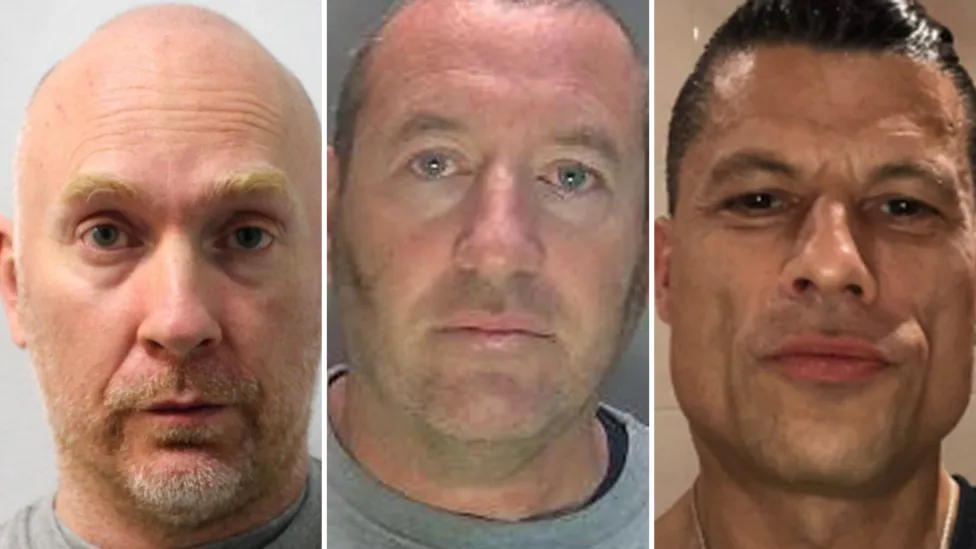
High-profile former Metropolitan Police officers whose crimes sparked nationwide scrutiny of the force.
The people involved
Dr Gillian Fairfield led the landmark independent review, assessing the systemic changes within the police force over the past three years. Sir Mark Rowley, who serves as the Met Commissioner, accepted the findings and the 10 proposed recommendations, acknowledging the humbling and powerful testimony provided by affected victims.
Additional figures responding to the report include London Mayor Sadiq Khan, who emphasized the urgent need for deep-rooted systemic change to restore public confidence, and Home Secretary Shabana Mahmood, who welcomed the review and highlighted ongoing government goals to halve violence against women and girls.
Why it matters
The findings directly affect the safety and trust of millions of Londoners, particularly minority communities who make up nearly half of the city's population at 46.3%. When the capital's primary policing agency struggles with structural prejudices and defensiveness, public confidence in the rule of law erodes significantly.
Furthermore, the report highlighted distressing criticisms regarding how the Met handles investigations involving bereaved families, noting that poor institutional handling in some cases exacerbated the trauma of victims rather than alleviating it.
The background
The Metropolitan Police is the UK's largest territorial police force, responsible for policing Greater London. Its internal culture has faced unprecedented national scrutiny following the 2021 abduction, rape, and murder of Sarah Everard by serving officer Wayne Couzens, which prompted Baroness Louise Casey's landmark 2023 review.
Subsequent revelations, including the multiple life sentences handed to armed officer David Carrick and undercover investigative broadcasts exposing severe misogyny and racist jokes within station walls, have continually intensified pressure on the force to overhaul its vetting, misconduct, and disciplinary procedures.
Response and aftermath
While the review commended minor areas of progress—such as improvements in stop-and-search transparency powers and updated vetting procedures—leaders across government and municipal offices stressed that piecemeal adjustments are insufficient. Sir Mark Rowley admitted that certain police actions have historically worsened difficult situations for victims, calling such outcomes unacceptable.
Home Secretary Shabana Mahmood expressed support for ongoing improvements in policing serious sexual offenses, aligning the review's outcomes with broader national strategies to tackle violence against women and girls.
What happens next
The Metropolitan Police is expected to implement the 10 recommendations outlined in Dr Fairfield's report under the direct supervision of Commissioner Rowley and the oversight of the Home Office and the Mayor of London's office. The force must navigate internal resistance while attempting to reform its misconduct reporting pathways and rebuild institutional accountability.
What we still don't know
The reports do not specify a strict timeline for when all 10 recommendations must be fully enacted by the Met. Additionally, specific disciplinary metrics or individual disciplinary actions resulting from the latest review have not been publicly detailed.
Want more on this story? Our research assistant searches the latest reports across the web and explains what it finds, so you get the fuller picture in one place.