
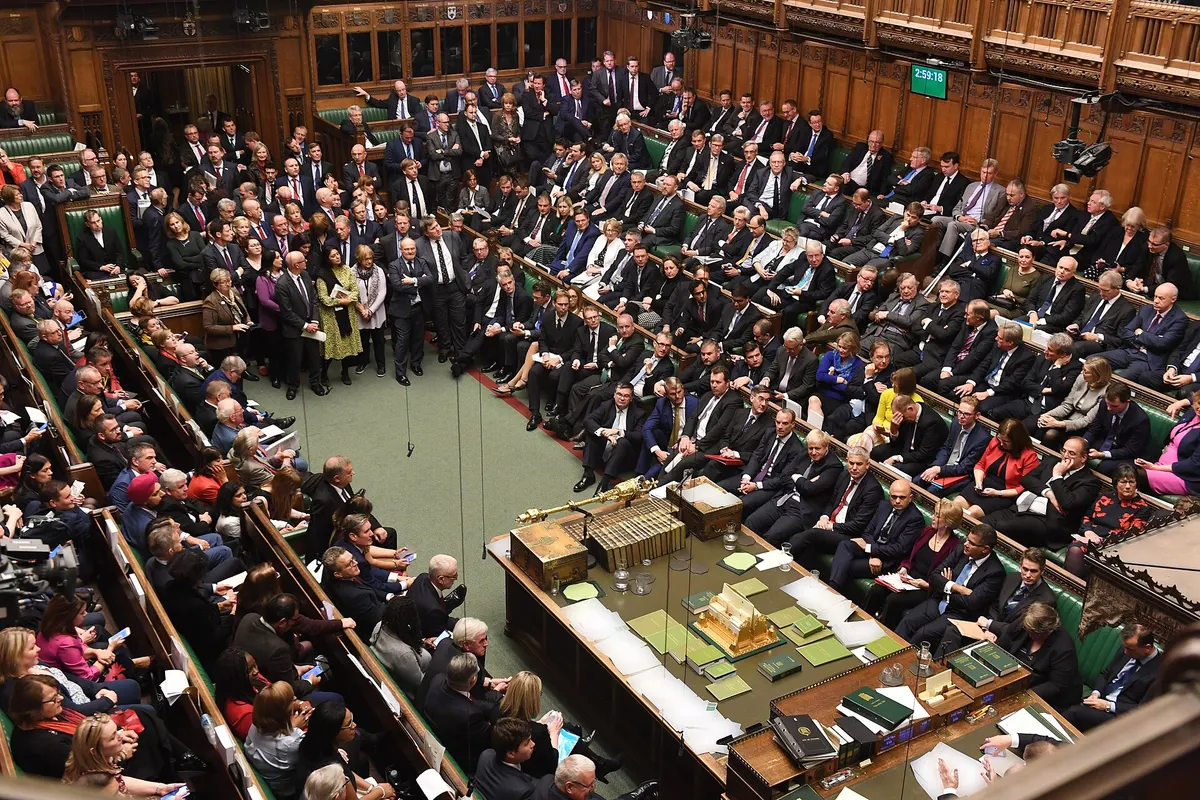
Social Security Minister Stephen Timms has called for a fundamental overhaul of the Personal Independence Payment, known as Pip, in the House of Commons. Unlike recent proposals from the Milburn review that focused on cuts, Timms's review centers on improving the system for disabled claimants.
The government has already accepted plans to introduce a fast-track system for severely ill individuals and to reduce pointless reassessments for those with lifelong conditions. Ministers will consider these recommendations alongside competing proposals in the coming weeks.
What happened
Stephen Timms presented the results of a consultation involving more than 38,000 people and organisations regarding the personal independence payments system. His review addresses the inaccuracy of assessments, particularly for individuals with fluctuating health conditions, and aims to rehumanize a process frequently criticized for harming claimants' mental and physical health. The government has already accepted two specific recommendations from the review: establishing a fast-track system that relieves people with severe and easily evidenced conditions from going through interviews, and cutting down on award reviews for people whose conditions are lifelong or unlikely to improve.
Other major proposals include creating a new impact assessment to measure actual costs tied to health conditions, which could lead to tailoring payments to individual needs rather than offering a standard weekly amount. Timms also proposed a voluntary service exchange scheme, allowing individuals to swap part of their financial award for services such as education or healthcare referrals, operating similarly to the existing Motability car-leasing scheme. However, several other major changes to the assessment and payments process were left in a "maybe later" drawer for ministers to flesh out.
Why it matters
The review addresses a deeply flawed system that impacts millions of disabled people across the UK. Research from Scope previously found a £630 monthly shortfall between average Pip awards and average costs, while data from the Resolution Foundation shows that one in six working-age claimants report no additional costs relating to their disability. This creates an urgent question over whether authorities can accurately determine individual needs without unfairly restricting eligibility. Furthermore, the review places Timms at direct odds with the Milburn review, which previously pitched £3.6bn in cuts to under-25s' benefits and a controversial two-tier plan to strip young people of their right to monthly cash.
The background
Personal independence payments serve as a key disability benefit in the UK designed to help with extra costs caused by long-term ill health or a disability. The system has faced persistent criticism since the coalition government phased out lifetime awards and introduced Pip in 2013, leading to years of complaints about faulty benefit testing and stressful reassessments. The current Labour government finds itself managing two separate sets of recommendations for the same benefit, following both Timms's review and the separate Milburn review released the previous week.
What happens next
The government will consider Timms's recommendations alongside the Milburn review and set out a formal response in the coming weeks. A white paper detailing the government's official path forward is scheduled to be published in the new year, determining whether the proposed assessment changes and service exchange schemes will be implemented.
Key takeaways
- Social Security Minister Stephen Timms called for a fundamental overhaul of the Personal Independence Payment system focused on improving claimant experiences rather than cutting costs.
- The government accepted plans to introduce a fast-track system for severe conditions and reduce reassessments for lifelong illnesses.
- Timms proposed a voluntary service exchange scheme allowing claimants to trade part of their financial award for services like education or healthcare.
- The review contrasts directly with the Milburn review, which previously suggested billions in cuts and stripping cash benefits from young people.