
Comedian and television presenter Paul Whitehouse has urged the government to intervene to prevent the extinction of Arctic charr in Windermere, England's largest lake. The fish have inhabited the Lake District water since the end of the last Ice Age more than 10,000 years ago.
Whitehouse joined environmental campaigner Matt Staniek in Manchester to unveil a 1.3-metre ice sculpture depicting the prime minister. The campaigners are pressing for immediate action to combat the severe environmental pressures facing the ancient fish.
What happened
Paul Whitehouse called on the government to act, stating it would be a crime to lose the unique fish species from Windermere. He highlighted that the spawning grounds of the Arctic charr are currently covered in algal sludge resulting directly from sewage pollution. The comedian teamed up with campaigner Matt Staniek to unveil an ice sculpture outside No 10 North in Manchester to draw attention to the crisis.
The protest coincides with the release of new research from the Freshwater Biological Association, funded by groups including Natural England, the Environment Agency and the Lake District National Park Authority. The study warns that Arctic charr are in serious decline and facing extinction without urgent intervention. Researchers found that spawning habitat quality has declined markedly in Windermere since 2017, with increasing levels of silt and algae.
Furthermore, the research shows that no Arctic charr have been detected in historic spring spawning sites or in the south basin of the lake. Scientists also recorded fewer detections and poorer eDNA signals of genetic material from the fish in the water during 2025 compared to 2017 surveys.
Campaigners are demanding that authorities expedite a £3.7bn infrastructure scheme. This project involves constructing a massive tunnel to transport sewage to a new, state-of-the-art water treatment works, proposed by the Only Rainwater In Windermere coalition. This group includes United Utilities, the Environment Agency, the Lake District National Park Authority, the Love Windermere partnership, the Save Windermere campaign group, and Westmorland and Furness Council.
In response, United Utilities stated that protecting the area is a priority and noted that £200m is being invested over the next four years to reduce storm overflow spills and upgrade wastewater treatment. The Department for Environment, Food and Rural Affairs stated it shares the public determination to protect the lake, noting that it has deployed additional specialists and is introducing a strengthened Water Bill.
Why it matters
The potential loss of Arctic charr represents the disappearance of a living link to the last Ice Age. The fish comprise four genetically distinct populations in Windermere that spawn at different times and places without interbreeding, making the population uniquely vulnerable.
Beyond its ecological significance, the Arctic charr fishery was at the heart of the local community for centuries. It forms part of the cultural heritage that helped secure the Lake District's status as a UNESCO World Heritage Site. The degradation of their habitat threatens not just a single species, but the historical and biological fabric of England's premier lake district.
The background
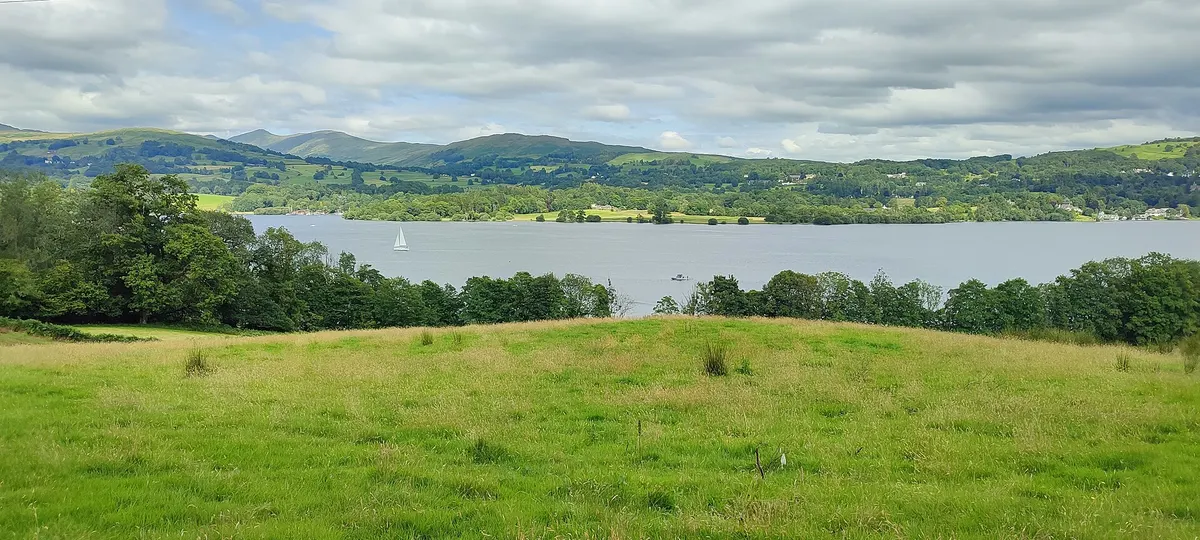
Windermere is located in the Lake District in Northwest England and is the country's largest natural lake. Arctic charr have lived in its deep, cold waters for over 10,000 years since retreating glaciers formed the landscape at the end of the last Ice Age.
Over decades, the lake's ecosystem has come under severe strain from multiple directions. Nutrient enrichment driven by sewage from wastewater treatment works, poorly managed private sewer systems, and agricultural runoff has spurred algal growth. At the same time, invasive species such as ruffe, roach and bream have risen in number, competing with native species for food while climate change drives up water temperatures.
What happens next
Campaigners continue to pressure the government to expedite the multi-billion-pound infrastructure overhaul to tackle sewage pollution. While water companies and government departments point to ongoing investments and new regulatory measures, researchers stress that immediate and collective action is required to halt the decline of the lake's ancient fish population.
Key takeaways
- Comedian Paul Whitehouse and campaigner Matt Staniek unveiled an ice sculpture in Manchester to demand government action for Windermere's Arctic charr.
- New research from the Freshwater Biological Association warns that the ancient fish species is in serious decline and faces extinction.
- Campaigners are urging officials to expedite a £3.7bn infrastructure scheme featuring a massive tunnel to carry sewage to a new treatment works.
- The species is threatened by a combination of sewage pollution, nutrient runoff, rising water temperatures, and increasing numbers of invasive fish.