
Magnitude 5 Earthquake Strikes Near Los Angeles, Prompting Flight Go-Around

Illustration, not a photo of the event.
A magnitude 5 earthquake struck the Los Angeles area on Saturday morning, originating near Manhattan Beach. The tremor disrupted airport operations as air traffic controllers instructed an incoming flight to abort its landing. Local authorities confirmed there were no significant damages or casualties, and emergency alerts were subsequently lifted.
- Magnitude5.0
- WhenSaturday morning at 9:30 AM
- WhereCentered near Manhattan Beach, impacting Los Angeles, California
- CasualtiesNone reported
- StatusEmergency alerts lifted, operations returning to normal
What happened
A magnitude 5 earthquake rattled the West Coast of the United States on a Saturday morning, with its epicenter located near Manhattan Beach, close to the greater Los Angeles area in California. The tremor was felt widely across the city, shaking buildings and startling residents and travelers alike.
At Los Angeles International Airport, one of the region's primary transport hubs, the sudden shaking prompted immediate safety measures. Air traffic controllers working at the facility felt strong tremors and instructed an approaching commercial aircraft, identified in reports as belonging to Delta Air Lines, to abort its landing and go around.
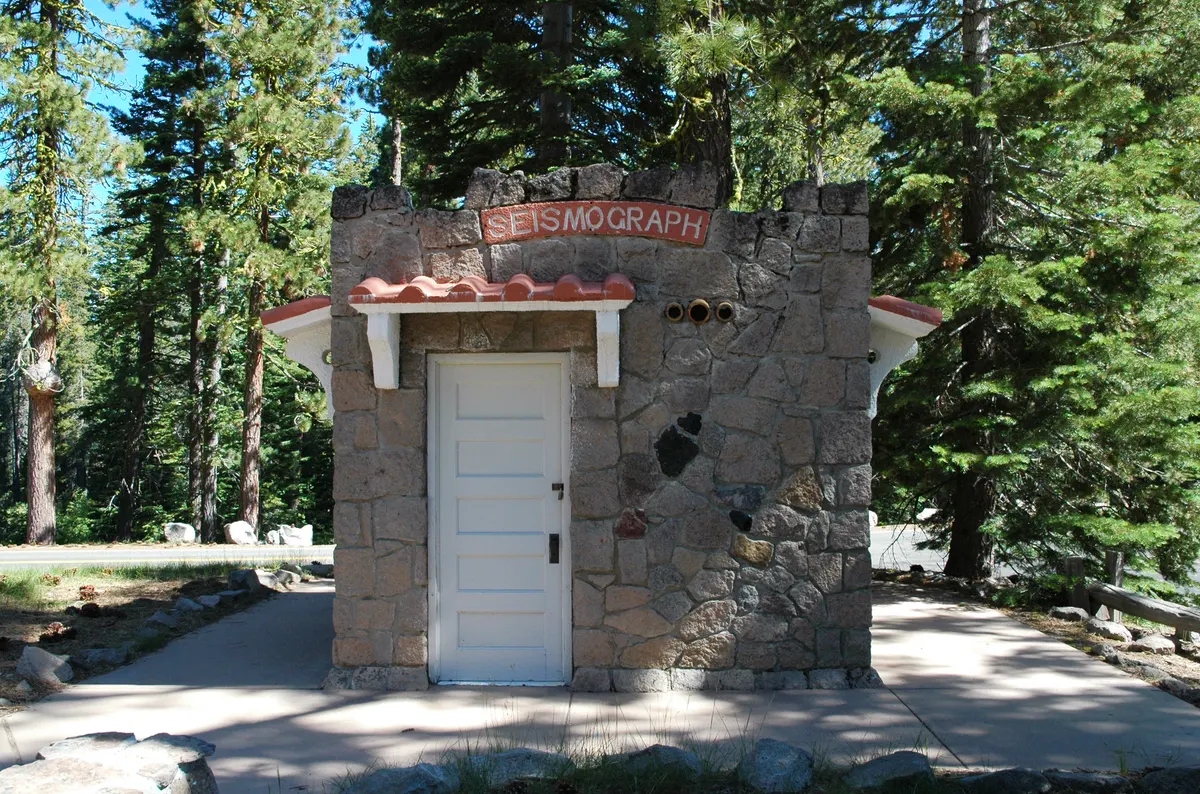
File photo: California seismograph. Photo: DimiTalen, CC BY-SA 3.0 / wikimedia
How it unfolded
The initial seismic event was recorded by the United States Geological Survey at approximately 9:30 AM. As the ground shook, automated safety systems across the region responded instantly to mitigate potential secondary hazards.
In the immediate aftermath, emergency response protocols were initiated across the city. The Los Angeles Fire Department shifted into earthquake mode to inspect critical infrastructure, verify runway conditions at the airport, and check for structural vulnerabilities across the urban area.
What the reports confirm
All available accounts corroborate that a magnitude 5 earthquake struck near Manhattan Beach on Saturday morning without causing fatalities or major structural failures. Sources agree that air traffic controllers ordered at least one arriving flight to postpone its landing due to the sudden tremors.
While reports align on the core timeline and the absence of widespread destruction, minor discrepancies appear regarding secondary incidents: some accounts note broken windows inside the airport terminal, and mention that safety flare systems were activated at a nearby Chevron refinery, creating visible flames as a precautionary measure.
Response and aftermath
Local officials moved quickly to reassure the public following the conclusion of initial safety assessments. The Los Angeles Fire Department confirmed that emergency procedures had ended and lifted official earthquake alerts by early afternoon, noting that the city's infrastructure had held up against the tremors.
Los Angeles Mayor Karen Bass appeared in media interviews to emphasize that city operations were functioning normally, pointing out that swift checks on airport runways ensured that flights could continue to take off and land without major interruptions. She also urged residents to use the event as a reminder to remain prepared for future seismic activity.
The background
California is historically prone to seismic activity due to its location along major tectonic plate boundaries, including the well-known San Andreas Fault system. Residents in the region frequently live with the awareness of potential major earthquakes, often referred to locally in the context of preparedness for a large-scale event.
Historical seismic events, such as the 1994 Northridge earthquake and the catastrophic 1906 San Francisco earthquake, remain part of the collective memory for many long-term residents, reinforcing the importance of strict building codes and continuous emergency readiness.
What we still don't know
Detailed assessments regarding minor infrastructural wear, such as the exact count of broken windows at the airport terminal, have not been fully cataloged. Furthermore, comprehensive data on total minor property impacts outside of major utilities and transportation facilities remains limited as municipal teams wrap up their inspections.
Want more on this story? Our research assistant searches the latest reports across the web and explains what it finds, so you get the fuller picture in one place.