
Kenya Cult Leader Convicted of Mass Manslaughter
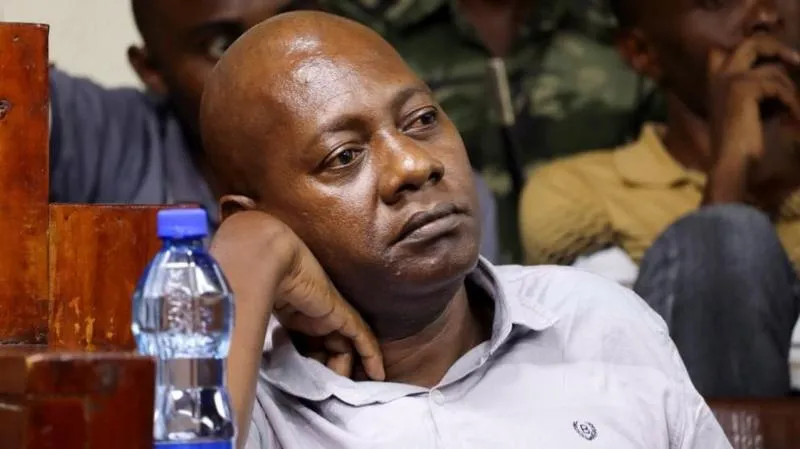
Cult leader Paul Mackenzie during court proceedings.
A Kenyan court has convicted self-styled cult leader Paul Mackenzie and 29 others of the manslaughter of 123 followers who starved to death in Shakahola forest. The verdict follows an earlier conviction for 191 murders linked to the mass fasting event. The discovery of over 400 bodies in shallow graves has prompted widespread scrutiny of rogue religious movements in the country.
- LocationShakahola forest, near Malindi and Mombasa, Kenya
- Key FigurePaul Mackenzie, self-styled cult leader
- CasualtiesOver 400 bodies discovered in shallow graves
- StatusConvicted of manslaughter (123 victims) and murder (191 victims), with appeals planned
Photos
6 photosWhat happened
A court in Kenya has convicted Paul Mackenzie, the leader of a doomsday Christian cult, of the manslaughter of 123 of his followers. The convictions center on a mass fasting event that took place in the remote Shakahola forest near the Indian Ocean coast between January 2021 and September 2023.
According to the Kenya Office of the Director of Public Prosecutions, Mackenzie systematically persuaded followers to fast until they died in order to "meet Jesus." Prosecutors stated that children were intended to go first, followed by women and men, with Mackenzie himself meant to die last. Witnesses testified that followers were told education, medicine, and ornaments were sinful, and those who opposed his teachings were beaten to death.
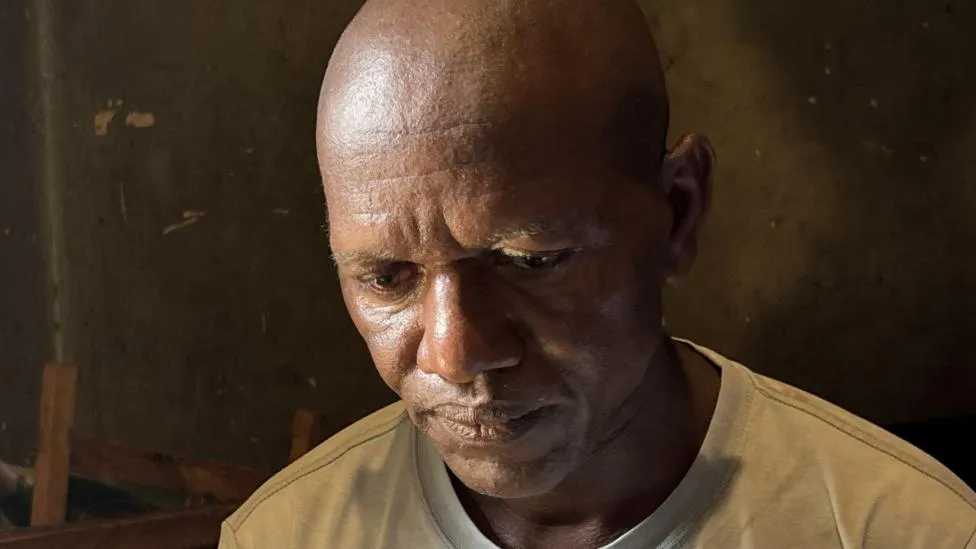
Paul Mackenzie pictured during legal hearings in Kenya.
How it unfolded
The scale of the tragedy came to light in 2023 when authorities discovered more than 400 bodies in shallow graves scattered across the vast Shakahola forest. Local men hired as gravediggers later described finding multiple bodies arranged inside single graves, some belonging to infants and children with their hands and legs tied and bodies wrapped in bedsheets.
Following the discovery, Mackenzie and dozens of co-defendants were arrested and put on trial. In addition to the recent manslaughter convictions for 123 adults, Mackenzie was jailed earlier this month for 200 years for murdering 191 people, almost all of them children. He also faced convictions for assault, child cruelty, and terrorism-related offenses.
The people involved
Paul Mackenzie operated as a self-styled pastor whose sermons were broadcast via a television station called Times TV from his church in the coastal resort town of Malindi. After his main church shut down in 2019, he relocated his congregation into the isolated mud houses of Shakahola forest.
Alongside Mackenzie, the court convicted 29 other individuals, including his wife, Rhoda Mumbua Maweu. Meanwhile, 60 other defendants were acquitted, though the Director of Public Prosecutions indicated that an appeal would be launched against those acquittals. Defense lawyers stated that Mackenzie, who had pleaded not guilty, plans to appeal his manslaughter conviction.
Why it matters
The mass deaths have shocked the public and exposed a dangerous lack of regulatory oversight regarding rogue religious groups operating across Kenya. Families torn apart by the cult, such as Stephen Mwiti who lost all six of his children, have demanded accountability for leaders who exploit religious devotion.
The gravity of the crisis prompted high-level political attention, including an attempt by President William Ruto to establish a commission of inquiry to investigate how such an operation could function undetected for years.
The background
Mackenzie's movement grew out of fringe Christian teachings that rejected modern society. His End Days sermons promoted conspiracy theories claiming that education was evil, healthcare went against doctrine, and digital identity cards represented the mark of the devil.
Over time, these beliefs evolved into a deadly isolationist community within the Shakahola forest, where devotees surrendered their normal lives to follow his escalating directives regarding fasting and spiritual purity.
Response and aftermath
The legal proceedings concluded what prosecutors described as the final set of criminal cases against Mackenzie. While survivors and relatives of victims expressed relief at the convictions, the broader societal impact remains profound as communities grapple with the trauma of the losses.
The state's legal teams continue to navigate appeals, with prosecutors challenging the acquittal of the 60 co-defendants while defense attorneys prepare to contest the guilty verdicts.
What happens next
Legal battles are expected to continue as the Director of Public Prosecutions moves forward with appeals against the acquittals of the 60 defendants. Concurrently, Mackenzie's defense team will pursue appeals against his convictions and sentencing in higher courts.
Authorities and civil society groups continue to discuss potential reforms to improve monitoring of religious organizations and prevent similar fringe movements from establishing isolated, unregulated compounds.
What we still don't know
Exact details regarding the final disposition of all co-defendants remain subject to the outcome of upcoming appeals. Furthermore, comprehensive identification and cause of death determinations for all recovered remains have been limited by the advanced decomposition and skeletal state of many victims.
Want more on this story? Our research assistant searches the latest reports across the web and explains what it finds, so you get the fuller picture in one place.