
Iran's Escalating Crackdown Sees Unprecedented Death Sentences for Women
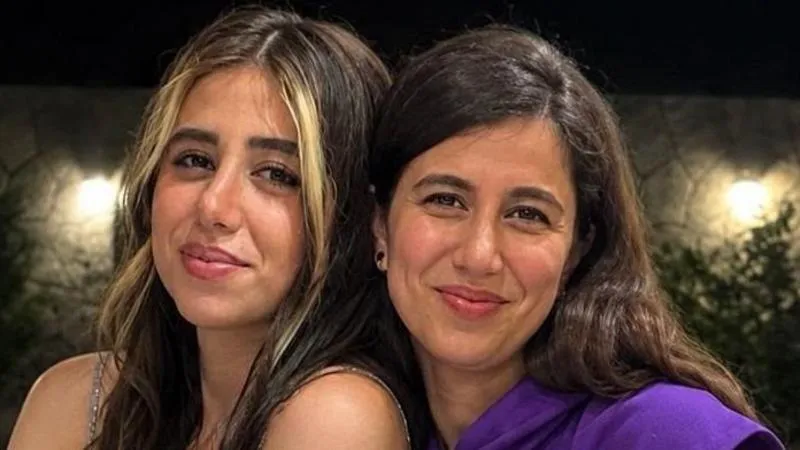
Twin sisters Taraneh and Romina, who were arrested following anti-government protests in Iran.
Twin sisters Taraneh and Romina face severe prison and death sentences following anti-government protests in Iran. Human rights experts warn of a sharp, politically motivated rise in capital punishments targeting female dissidents and protesters. Families and international observers report systemic torture and forced confessions during detentions.
- WhenJanuary 2026 and subsequent months
- WhereIran (including Isfahan and Mashhad)
- WhoTwin sisters Taraneh and Romina, alongside other detained women
- StatusSentenced to death and long-term imprisonment amid ongoing international condemnation
Photos
5 photosWhat happened
Twin sisters Taraneh and Romina were arrested in late January following anti-government protests that swept Iran. Taraneh, aged 21, has been sentenced to death after being convicted of moharebeh—a capital offense under Iran's Islamic Penal Code involving taking up weapons against the state—while her twin sister Romina received a 25-year prison sentence for aiding and abetting the charge. Family members and human rights monitors state that the charges are entirely fabricated and politically motivated.
According to relatives speaking from abroad, Taraneh signed a false confession only after interrogators threatened to subject her sister Romina to sexual violence. The family struggled for over three months to discover where the twins were being held, during which time both women reportedly suffered severe physical abuse. Relatives note that Taraneh has been left unable to walk properly due to severe beatings on her legs, alongside an untreated head injury and ear infection that severely impair her balance.
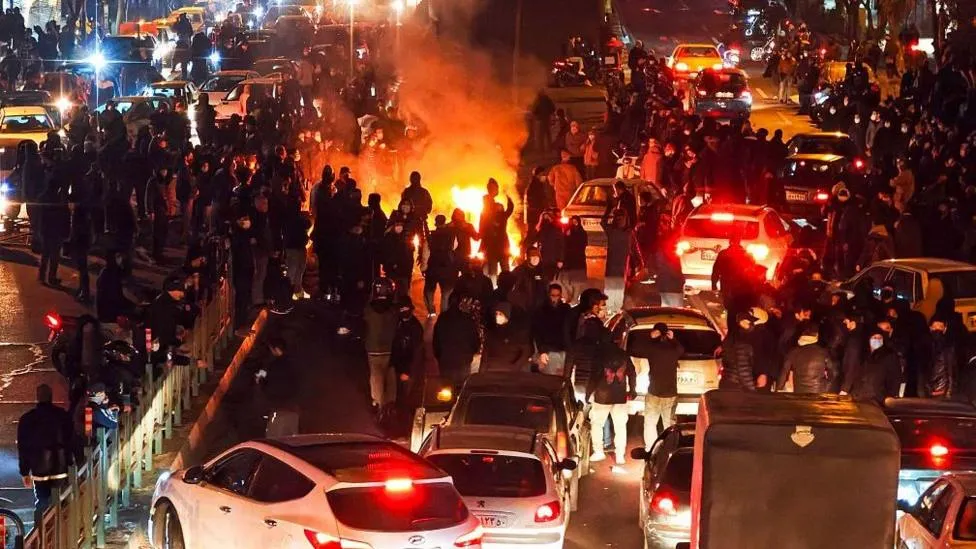
Demonstrators and vehicles during the protests that swept Iran.
The broader crackdown
The case of the twins forms part of what international monitors describe as a sweeping escalation in capital punishment targeting women in Iran. Mai Sato, the United Nations human rights rapporteur for Iran, and Raha Bahreini, an Iran researcher for Amnesty International, point to a sharp, decades-unseen rise in politically motivated death sentences handed down to female dissidents and protesters.
Other female prisoners facing severe penalties include civil engineer Mahboubeh Shabani, sentenced to death under espionage laws for transporting injured protesters; Najmeh Amini, convicted of blasphemy over social media posts; and Mojdeh Hashemi Bazargani, who was arrested amid conflict involving Israel and the US and reportedly beaten into signing a false espionage confession.
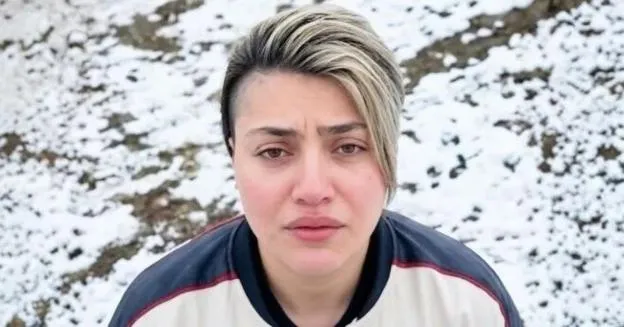
Mahboubeh Shabani, a civil engineer sentenced to death under espionage charges.
Official responses
The Iranian embassy in London has strongly rejected allegations of an increase in protest-related death sentences, dismissing such claims as misleading. Officials maintain that capital punishment is never imposed solely for peaceful protest—which they describe as a protected right—but is instead reserved for serious criminal offenses, intentional murder, terrorism, espionage, and moharebeh.
Furthermore, the embassy categorically rejected all accusations of torture and forced confessions, stating that statements obtained under duress carry no legal validity under Iranian law and that judicial proceedings strictly adhere to the nation's constitution and rule of law.
The background
Tensions in Iran have remained exceptionally high following widespread anti-government demonstrations that began in late December over economic grievances, growing into the largest challenge to the clerical establishment since the 1979 Islamic Revolution. Human rights organizations such as the Human Rights Activists News Agency (Hrana) have documented thousands of deaths during the subsequent state crackdowns.
Experts note a significant turning point in state repression of women following the 2022 protests over the death in custody of Mahsa Amini. Because women played prominent roles at the forefront of challenging state controls, human rights advocates report they have increasingly become primary targets for severe judicial retaliation.
What happens next
While international human rights organizations continue to lobby on behalf of the condemned prisoners, legal avenues inside Iran remain precarious. Although some death sentences linked to recent protests have occasionally been overturned, monitors express deep concern over an established pattern where vacated rulings are quietly reimposed by parallel judicial branches once public attention fades.
Families continue to support imprisoned relatives through emotional encouragement during restricted phone calls, while legal teams push for thorough investigations into allegations of torture and abuse, despite facing substantial institutional hurdles.
Want more on this story? Our research assistant searches the latest reports across the web and explains what it finds, so you get the fuller picture in one place.