
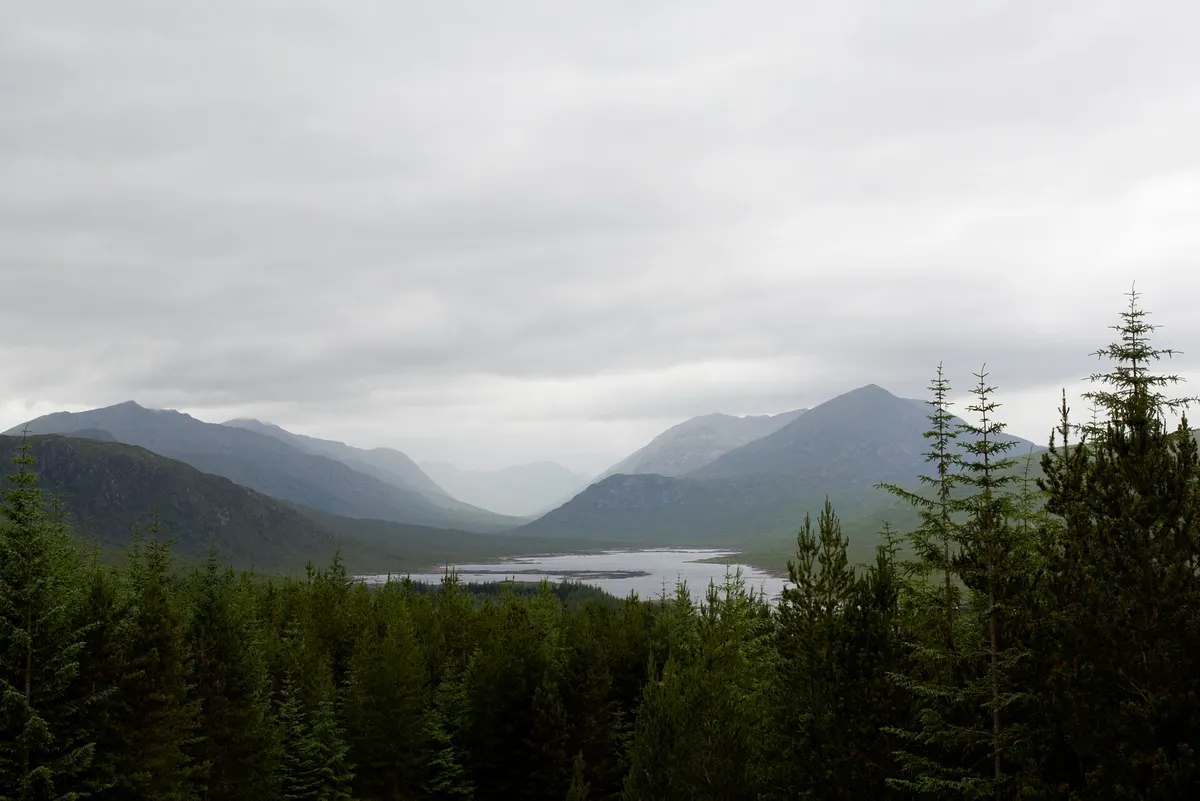
A growing number of young adults in the UK are trading their screens and indoor routines for weekend hikes and outdoor exploration. Driven by a desire for screen-free connection, mental health support, and affordable socialising, a new generation is turning to nature.
Sport England data shows that nearly 9% of 16 to 34-year-olds are regular hill walkers or hikers, a significant increase from 2.3% eight years ago. Walking charities and youth groups report surging memberships and an increased demand for navigation courses.
What happened
Across the UK, from Inverness to Nottinghamshire, young walkers' groups have seen their memberships rise over the past two years. The Ramblers walking charity reports that demand has nearly doubled for a map and compass course designed for 18 to 25-year-olds. Participants often want to ditch their phones and move away from relying on digital blue dots to navigate.
Alastair Cooper, who leads the Out There Award programme, notes that many young people missed out on outdoorsy activities during Covid-19 and now want to explore without knowing where to start. Individuals like Mohannad Najjar, a 26-year-old former aerospace engineer, have traded desk jobs and screens for countryside walks and scout leadership. Similarly, 24-year-old environmental science student Deborah Odutayo turned to solo hiking in locations like Kent and the Peak District to cope with an identity crisis and support her mental health.
Walking groups are also filling a social need. Miranda Chambers-Reid, who leads a Ramblers group for people in their 20s and 30s in Sheffield, has seen her group grow from 250 to 350 members in two years. She explains that walking provides an instant friend group for people whose lives are in flux. In Leicester, 27-year-old Sej Chauhan founded Girls Who Walk to help young women socialise without the pressure of spending lots of money or drinking alcohol, growing the group to over 300 members in two years.
Why it matters
With approximately 83% of the UK population living in towns and cities, urban residents frequently face noise, traffic, stress, and information overload. Dr Danny Longman, a lecturer in human evolutionary physiology at Loughborough University, explains that humans are adapted to nature, and being close to it brings benefits such as improved wellbeing, brain function, and physical performance. Simply paying attention to trees and leaves allows stressed brains to recover.
For many young people, hiking offers a low-barrier, affordable way to socialize and escape the isolation that can be fostered by social media. It provides meaningful human connection, physical exercise, and a therapeutic break from the 9-to-5 desk culture.
The background
The shift toward outdoor activities follows years of increasing urbanization and digital immersion. The Covid-19 pandemic further disrupted outdoor education for a generation of young adults, leaving many feeling detached from nature. Walking charities like the Ramblers have actively worked to engage younger demographics through specialised programmes, such as the Out There Award, acknowledging that traditional outdoor pursuits often require guidance for beginners who grew up primarily in urban environments.
What happens next
While interest in hiking and outdoor groups continues to climb, access remains a challenge for individuals constrained by work, childcare commitments, or a lack of nearby green spaces. Experts suggest that urban residents can still capture some benefits by moving within local parks or gardens and tuning into natural sounds and scents.
- Sport England data shows that nearly 9% of 16 to 34-year-olds are regular hill walkers or hikers, up from 2.3% eight years ago.
- Demand has nearly doubled for a map and compass course offered by the Ramblers walking charity to 18 to 25-year-olds.
- Dr Danny Longman notes that nature is the environment humans are adapted to, offering benefits like improved wellbeing and brain function.
- Sej Chauhan set up Girls Who Walk in Leicester to provide a space for socialising without the pressure of drinking alcohol or spending lots of money.