
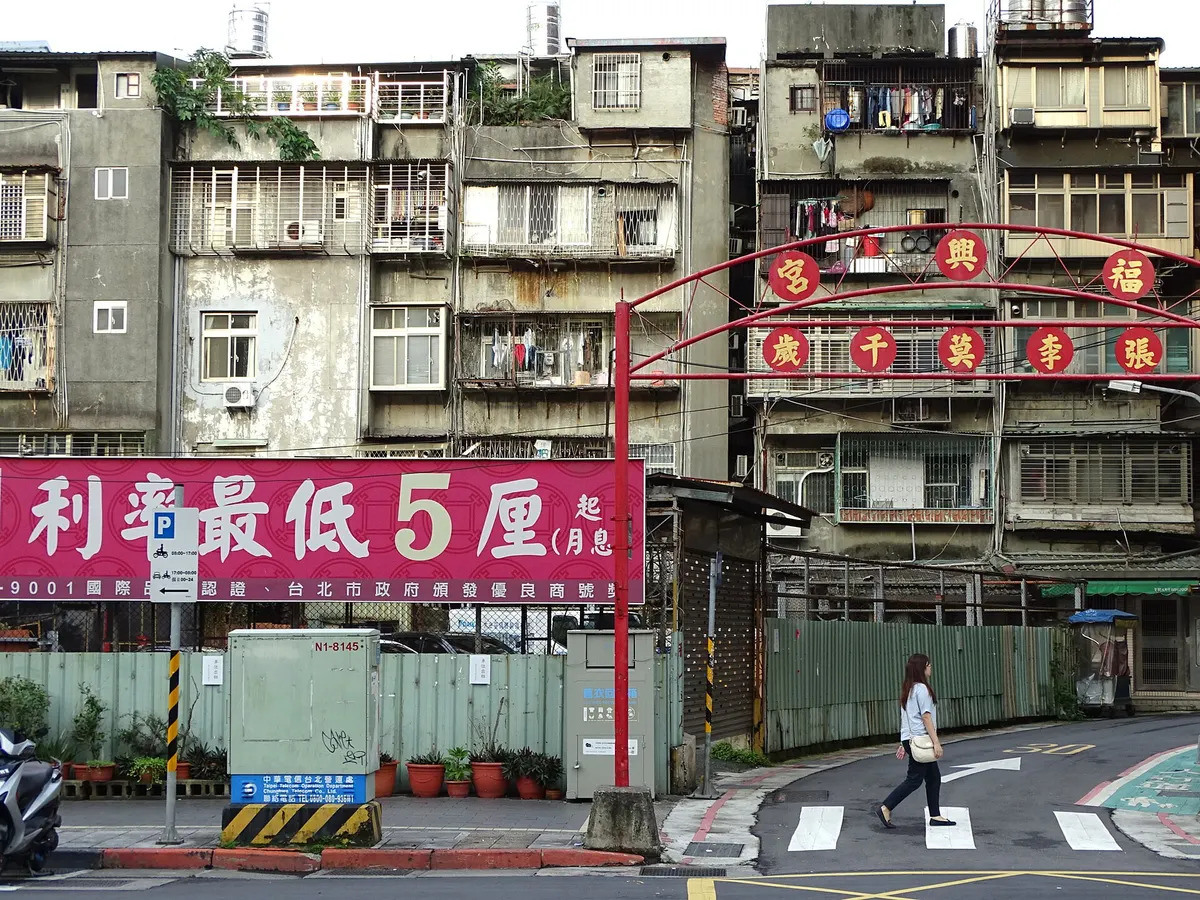
Taiwanese voters are heading to the polls on Saturday for crucial local elections that will choose mayors, council members, and other local leaders across 22 districts. The vote carries major political weight for the ruling Democratic Progressive Party as it steers the self-governing island through a difficult international environment.
Although local races typically centre on domestic concerns like housing and wealth distribution, the contest is heavily overshadowed by Beijing. China claims Taiwan as its territory and has applied intense military and political pressure on the island.
What happened
Saturday's vote covers local leadership posts across 22 counties and cities, with 13 local government leaders required to hand over power. Most individual races are tight contests between candidates from the ruling Democratic Progressive Party and the main opposition party, the Kuomintang. The Kuomintang traditionally promotes closer ties with Beijing, and its chair, Cheng Li-wun, travelled to China earlier this year to meet Chinese leader Xi Jinping.
Taiwanese officials have raised the alarm over thousands of suspected incidents of election interference and misinformation originating from China. Authorities have reported hundreds of China-linked artificial intelligence-generated videos spreading disinformation about Taiwanese politicians disliked by Beijing. Candidates have also faced harassment, and Beijing has declared certain individuals 'diehard separatists', placing them under sanctions.
One of the most contentious races is for Taipei mayor, an office held by the Kuomintang for three decades. The ruling party has selected national legislator Puma Shen as its challenger. He was declared a separatist by Beijing in 2024, marking the first time a sanctioned candidate has run for mayor of the capital. Beijing's Taiwan affairs office has called the allegations of election interference completely fabricated, stating they are designed to stir up anti-China sentiment to win votes.
Why it matters
The outcome of these local elections will have massive implications for cross-strait relations and Taiwan's political future. A strong performance by the ruling party, particularly in key traditional opposition strongholds like Taipei and New Taipei City, would build significant momentum for the upcoming 2028 presidential election. Conversely, losses for the opposition Kuomintang could force Beijing to reconsider its strategy for influencing the Taiwanese electorate.
The background
Taiwan is a self-governing island claimed by the People's Republic of China, which has vowed to achieve unification and refuses to rule out military force. The ruling Democratic Progressive Party currently holds the presidency under Lai Ching-te, who has taken a firmer stance against Beijing and proposed a record 18 percent increase in defence spending, pushing the total budget above one trillion Taiwan dollars. The opposition Kuomintang generally advocates for more cooperative dialogue with Beijing, creating a sharp ideological divide that influences national politics despite local elections ostensibly focusing on bread-and-butter municipal issues.
What happens next
Following Saturday's vote, the results will set the political baseline and momentum for the national presidential election scheduled to take place 13 months later in 2028. Observers will closely watch whether the ruling party can translate local mayoral successes into broader national support.
Key takeaways
- Taiwanese voters head to the polls in 22 districts to choose mayors, council members, and local leaders.
- Taiwanese officials report thousands of suspected instances of election interference, misinformation, and AI-generated videos linked to China.
- The ruling Democratic Progressive Party and the opposition Kuomintang are locked in tight races across traditional strongholds.
- The election results will shape the political momentum heading into the 2028 Taiwanese presidential race.