
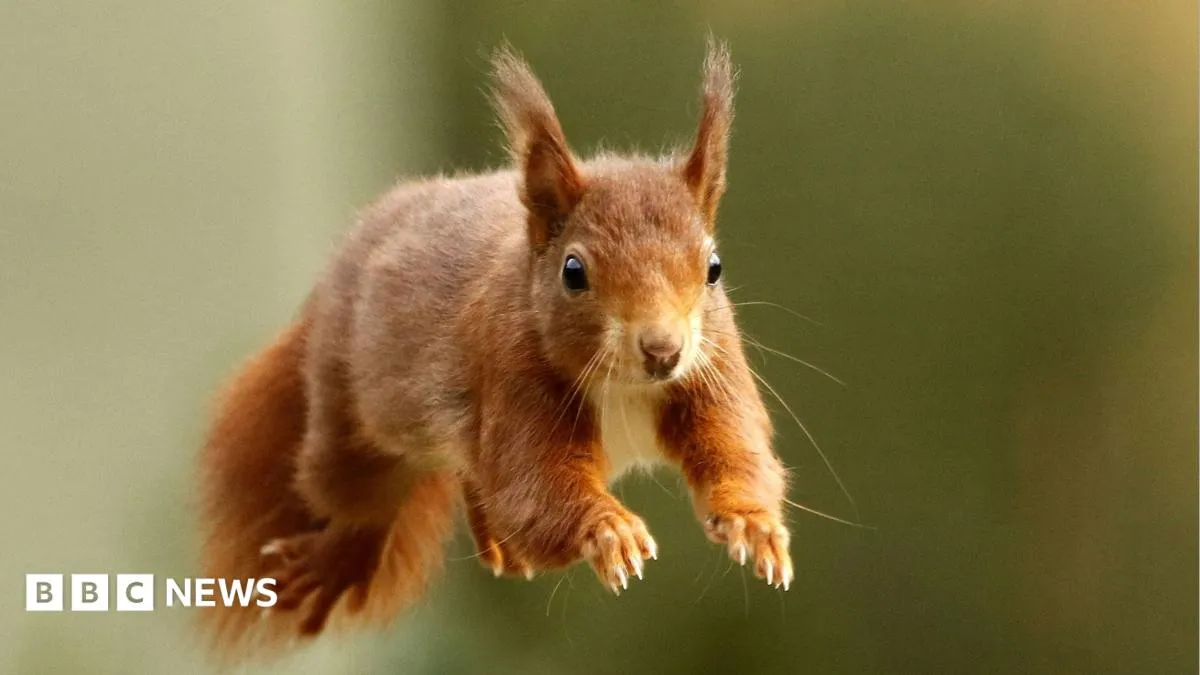
While red squirrels face severe decline and the threat of extinction across mainland England, the Channel Island of Jersey has emerged as a crucial stronghold for the species. Even though they are not native to the island, red squirrels have established a thriving population that is widely embraced by the local community and protected by environmental safeguards. Their continued presence on the island offers a stark contrast to their diminishing numbers in the wider British Isles.
What happened
Red squirrels were first introduced to Jersey in 1885. Over the generations, they have become naturalised and assimilated into the island's environment. According to Henry Glynn, an ecologist with the National Trust of Jersey, the animals are now considered iconic for the island. The primary reason for their survival and success on Jersey is the complete absence of grey squirrels. In the UK, introduced grey squirrels carry a parapoxvirus that is deadly to their red cousins, a threat that is entirely missing on the island. Additionally, the local community actively supports the population. Residents regularly put out food and squirrel feeders, and local infrastructure assists their survival with low speed limits and rope bridges installed to help them cross roads safely. The Jersey Society for the Prevention of Cruelty to Animals has handled 50 red squirrels this year alone, including hand-raising eight young kits.
Why it matters
Red squirrels are endangered in the UK, with an estimated remaining wild population of roughly 120,000 to 160,000, of which about 75% are located in Scotland. In England, they are increasingly rare and difficult to spot, making island sanctuaries like Jersey vital for the preservation of the species. Because they are legally protected in Jersey, it is a criminal offence to harm them. Their presence also serves a cultural and economic role, featuring prominently in local tourism campaigns and drawing visitors from the UK who travel to the island specifically to see them in the wild.
What to know
Red squirrels are distinct from the larger grey squirrels native to North America that have largely displaced them throughout England and parts of Wales. On Jersey, the best locations to spot the animals are inland valleys and woodlands, where they remain fairly widespread. Ecologists and animal carers emphasize a hands-off approach to wildlife management to keep the animals as wild as possible, intervening only when necessary to rehabilitate injured or young animals.
Key takeaways
- Jersey maintains a thriving red squirrel population entirely due to the complete absence of grey squirrels, which carry a virus deadly to red squirrels.
- Although not native to the island, having been introduced in 1885, the animals are legally protected and considered iconic by the local community.
- Islanders actively support the squirrel population through private feeders, low speed limits, and wildlife bridges designed to help them cross roads safely.