
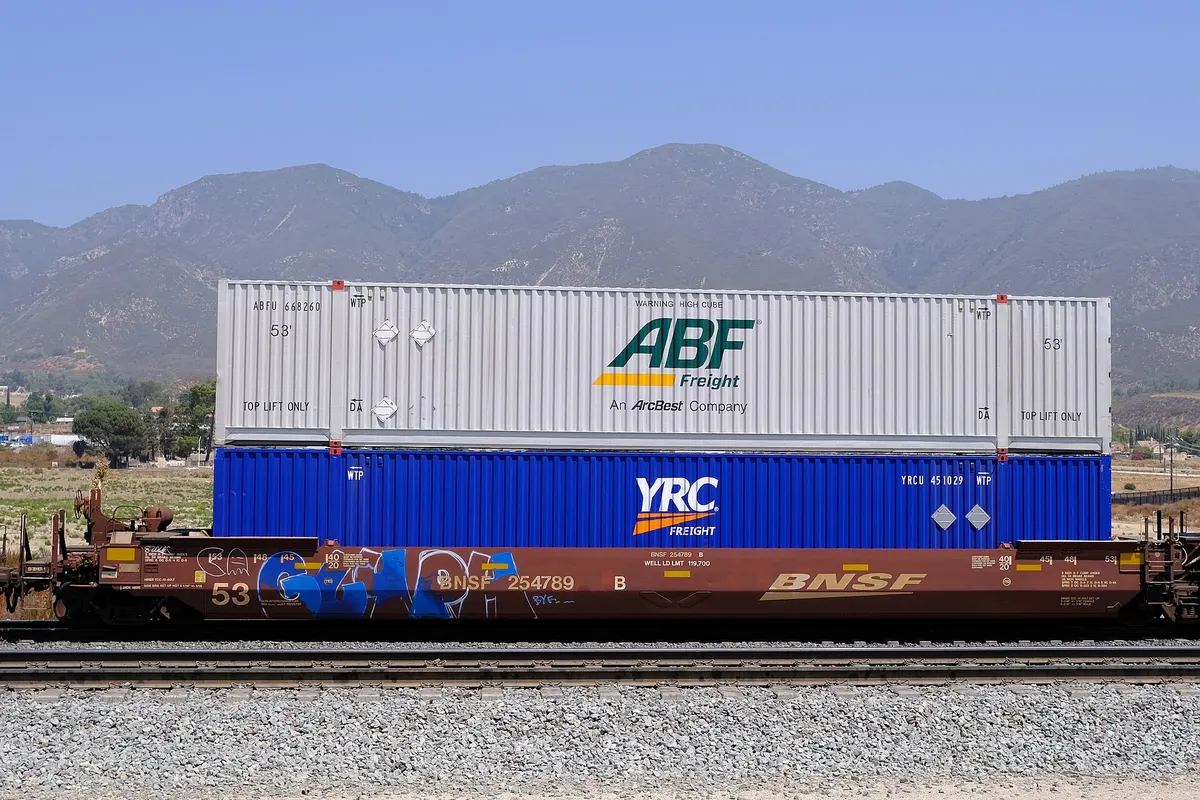
Stalled freight trains are upending daily life in communities across the United States. Residents face constant delays, missed work, and dangerous blockages of emergency services as major rail companies leave trains stopped across public streets for hours at a time.
Local officials argue that rail companies refuse to change their practices and that lawmakers are moving too slowly to address the crisis. Federal data shows tens of thousands of complaints over the past year regarding blocked crossings, highlighting a growing national problem.
What happened
In Lockland, a small community north of Cincinnati, a Norfolk Southern train blocked multiple streets last month, forcing a fire engine to take a lengthy detour. Firefighters arrived seven minutes after the call, but 89-year-old Marian Haefner was already dead in her home. Lockland's mayor, Mark Mason, stated that the company blocks streets for up to 23 hours at a time to make room for other trains coming from the nearby Sharonville intermodal terminal. Mason noted that residents frequently face threats of losing their jobs, while parents pay extra for daycare due to constant transportation delays. Similar incidents occur in Cleveland, Chicago, and Houston. In Hammond, Indiana, a previous investigation found children regularly climbing through rail cars to get to school, and local administrators said Norfolk Southern backed out of building a pedestrian overpass. In Texas, 15-year-old Sergio Rodriguez was killed by an oncoming train while trying to get to Milby High School.
Why it matters
Public safety and daily mobility are severely compromised when freight trains block community crossings. According to the Federal Railroad Administration, there were more than 34,000 public reports of rail crossing blockages over a 12-year period, representing a sharp increase from previous figures. In nearly 22 percent of those reported incidents, first responders were unable to cross the tracks to reach emergencies. Nearly a quarter of the reports involved pedestrians crawling on, over, or between rail cars, creating severe safety hazards for children and college students alike.
The background
Rail companies own the vast majority of railroad tracks and lines across the United States, leaving local and state authorities with scant ability to regulate them. Norfolk Southern is a publicly traded company valued at $73 billion, with a history of regulatory scrutiny. Ohio residents have held a particularly troubled relationship with the company following a February 2023 derailment and catastrophic chemical fire in East Palestine, which led to settlements exceeding $310 million with the Justice Department and the Environmental Protection Agency. The Heartland Corridor links an Atlantic seaport in Norfolk, Virginia, with Chicago, relying on terminals like Sharonville where trains are routinely moved and connected.
What happens next
Legislative efforts to curb the blockages have faced stalls in Congress. Last December, Texas Representative Sylvia Garcia reintroduced a bill that would prohibit trains from blocking rail crossings for more than 10 minutes. Garcia criticized lawmakers for allowing the legislation to languish in committee while railroad companies continue to prioritize profits over community safety. It remains uncertain whether federal lawmakers will pass stricter regulations or if rail companies will alter their operations voluntarily.
Key takeaways
- Norfolk Southern trains blocking streets in Lockland delayed a fire engine by seven minutes, resulting in the death of 89-year-old Marian Haefner inside her home.
- Federal Railroad Administration data shows more than 34,000 public reports of rail crossing blockages over a 12-month period.
- First responders were unable to cross the tracks in nearly 22 percent of recent blockages, while pedestrians were reported crawling over cars in nearly a quarter of incidents.
- Representative Sylvia Garcia reintroduced a bill in Congress to prohibit trains from blocking rail crossings for more than 10 minutes.