
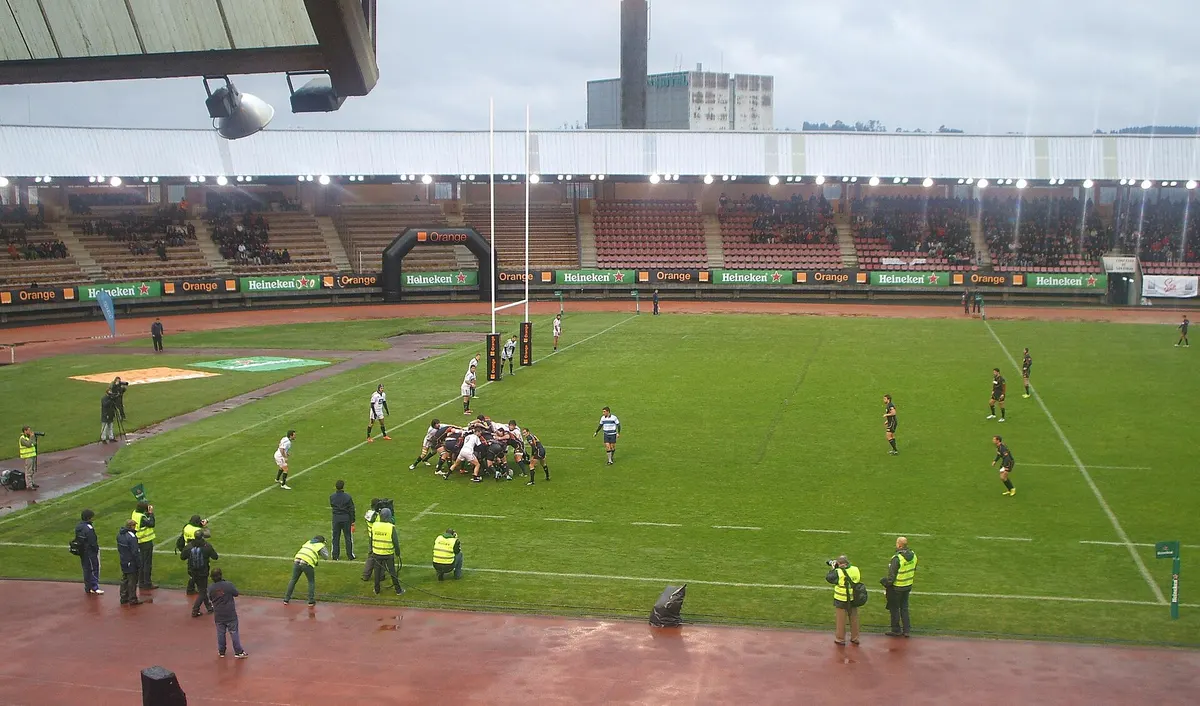
Players from South Africa and New Zealand were not subjected to a single post-match drug test during their four-Test series played in August and September. The matches formed part of a new biennial initiative between the two nations called Rugby's Greatest Rivalry, which is designed to boost revenues and profiles.
While the operational agreement for the series referenced World Rugby anti-doped rules, post-match testing was not carried out in practice. World Rugby declined to confirm the lack of testing, but emphasized that players remain part of an out-of-competition testing pool throughout the year.
What happened
The four-Test series took place in August and September, with the first three matches played in South Africa and the final game held in Baltimore in the United States. Under normal circumstances, elite-level rugby matches feature standard post-match anti-doping testing carried out by official bodies.
Players involved in the series fell under the jurisdiction of two main organizations. All players are part of World Rugby's global testing pool, which conducts on-the-spot tests on top players throughout the year. Meanwhile, the South African Institute for Drug-Free Sport runs its own domestic anti-program covering events in the country.
Because the vast majority of the matches took place in South Africa, the local anti-doping institute could have demanded samples from players after games. However, officials did not carry out any post-match tests during the series.
When questioned, World Rugby would not confirm the absence of post-match testing. A spokesperson stated that the organization operates a risk-based, no-notice anti-doping program aligned with the World Anti-Doping Agency code. The spokesperson added that players are subject to testing on a no-notice basis throughout the calendar year, including within international competition windows.
When asked about the matches, the South African Institute for Drug-Free Sport referred queries back to World Rugby, noting that the global body held jurisdiction over the series.
Why it matters
Post-match testing is typically considered a standard safeguard in elite sport to ensure fair competition. The absence of these specific checks during a high-profile international series raises questions about oversight for marquee cross-border fixtures.
South African rugby has faced notable doping challenges in recent years. Several prominent Springboks, including Aphiwe Dyantyi, Sbu Nkosi, Elton Jantjies, and Asenathi Ntlabakanye, have served suspensions for doping offenses. Incidents of doping have also been common on the country's competitive schoolboy circuit, highlighting an ongoing pressure point for the sport in the region.
At the same time, testing organizations face financial and logistical hurdles. The South African Institute for Drug-Free Sport has seen its testing numbers fall significantly over the past decade, dropping from 753 tests a decade ago to 225 tests in the 12 months leading to March. The cost of testing for the agency rose dramatically after the World Anti-Doping Agency revoked the accreditation of a sample-testing laboratory in Bloemfontein, forcing the agency to send samples long distances overseas and incur heavy foreign currency, courier, and import charges.
The background
Rugby union features global anti-doping oversight alongside national programs. World Rugby manages international players and enforces rules aligned with the World Anti-Doping Agency, which reported a total of 9,583 accredited doping tests in rugby union globally in 2024 with a 0.6 percent positive rate.
National bodies also handle local testing. UK Anti-Doping carried out 1,086 tests in rugby union, and New Zealand's Sport Integrity Commission conducted 249 tests over a comparable period.
The Rugby's Greatest Rivalry series is a newly established biennial initiative created by South Africa and New Zealand to enhance revenues and showcase international competition between the two powerhouse nations.
What happens next
Neither World Rugby nor national anti-doping authorities have announced any changes to testing protocols following the revelation that post-match checks were skipped during the series. World Rugby maintains that its ongoing, out-of-competition testing regime remains active across the calendar year.
- Players from South Africa and New Zealand were not subjected to a single post-match drugs test by anti-doping authorities when they contested this year's Rugby's Greatest Rivalry series.
- World Rugby declined to confirm the lack of post-match testing but stressed that all players are subject to an always-on testing regime throughout the calendar year.
- The South African Institute for Drug-Free Sport faced sharply higher testing costs after losing the accreditation of its domestic sample-testing laboratory in Bloemfontein.