
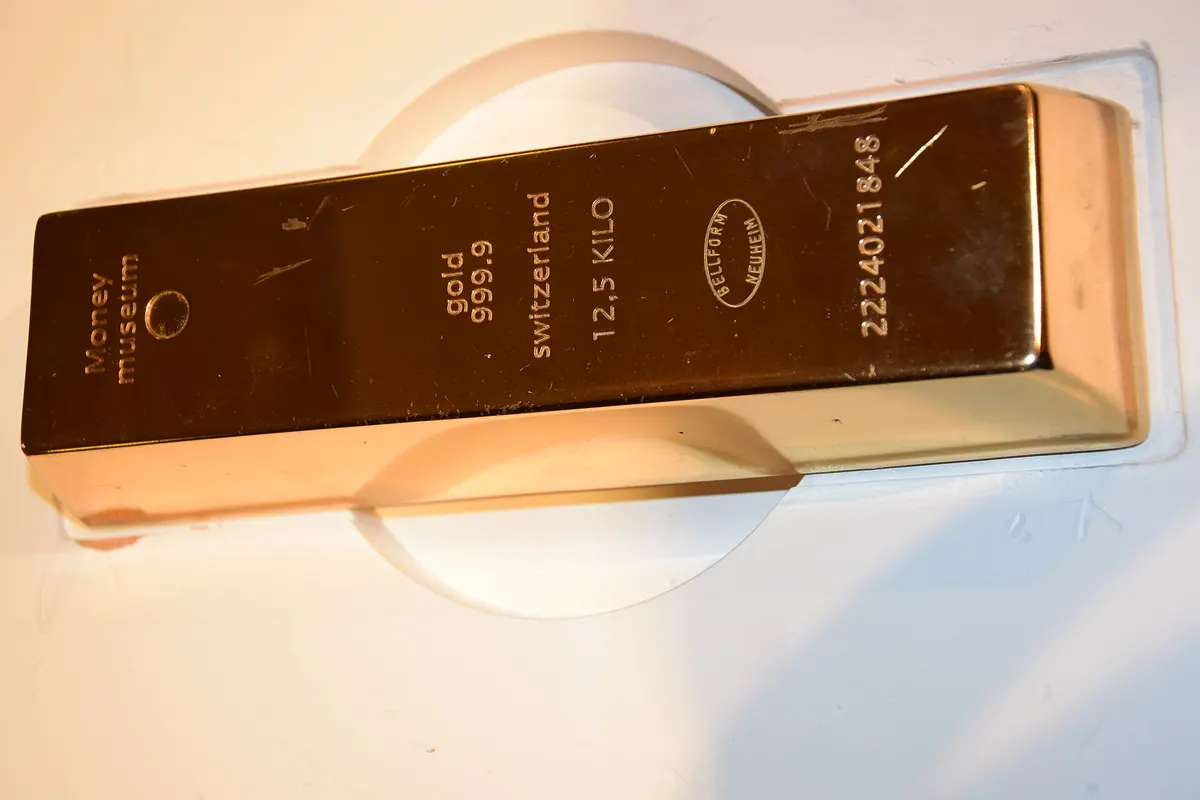
Gold and silver prices have climbed sharply across global and domestic markets, snapping recent losing streaks and recovering from multi-month lows. The rebound has been supported by strong spot demand, bargain hunting, and a temporary softening of the US dollar.
Despite ongoing economic headwinds and expectations of tighter monetary policy, buyers have stepped back into the market. This surge has pushed retail prices higher in major cities during an active wedding and festival season.
What happened
Spot gold prices climbed about 3 percent to around $3,670 per ounce, bouncing back from multi-month lows hit earlier in the week. US gold futures for December delivery also gained approximately 3.9 percent. In domestic markets, gold prices in Delhi rose past Rs 1.30 lakh per 10 grams in spot trading, while futures contracts on the Multi Commodity Exchange rebounded near Rs 1.25 lakh to Rs 1.28 lakh depending on the delivery month. Silver experienced an even sharper percentage surge, rallying roughly 9 percent in Delhi to reach Rs 1,63,500 per kg, tracking international spot increases toward $44 per ounce. Regional retail markets across cities like Mumbai, Nagpur, and Jaipur also recorded substantial upward revisions in 24-carat and 22-carat gold rates, alongside sharp increases in silver values.
Why it matters
These sudden price movements directly impact retail buyers, wedding planners, and retail investors who purchase physical jewelry, coins, and bullion. Higher precious metal costs increase household expenditure for seasonal celebrations and weddings. For retail investors and speculators, the volatile environment creates both short-term trading opportunities and the challenge of timing purchases. Analysts note that while domestic retail demand remains firm, local buyers face inflated budgets due to rising spot rates, making staggered purchases or checking hallmarks and purity critical before transactions.
The background
Gold and silver prices are influenced by a complex interplay of international commodity pricing, currency exchange rates, and local market demand. Bullion is traditionally viewed as a hedge against inflation and economic uncertainty. However, because gold is a non-interest-bearing asset, it faces competitive pressure when global interest rates are high or rising. Higher US bond yields and a stronger US dollar typically make interest-bearing investments more attractive and make gold more expensive for holders of other currencies. Earlier in the week, strong US inflation data and expectations of a Federal Reserve rate hike pushed bullion down to its lowest levels in over a year. The late-week recovery occurred as the dollar's rally paused, a US holiday lull calmed market jitters, and investors engaged in short-covering and bargain buying.
What happens next
Market attention now shifts toward upcoming US economic data and the US Federal Reserve's policy decision scheduled for early December, which will dictate interest rate trajectories. Commodity analysts suggest that while prices could extend their corrective rebound in the near term, further significant upside may remain capped due to the broader hawkish macroeconomic outlook. In local markets, jewellers and analysts advise consumers to monitor quality parameters, making charges, and local tax additions closely while navigating the volatile pricing environment.
Key takeaways
- Spot gold and silver prices rebounded strongly after hitting multi-month lows earlier in the week.
- Domestic gold and silver rates in major Indian trading hubs rose sharply amid firm local retail and wedding demand.
- International bullion recovery was aided by a pause in the US dollar rally and opportunistic bargain buying.
- Analysts caution that potential future US interest rate hikes and high bond yields could cap sustained upward momentum.