
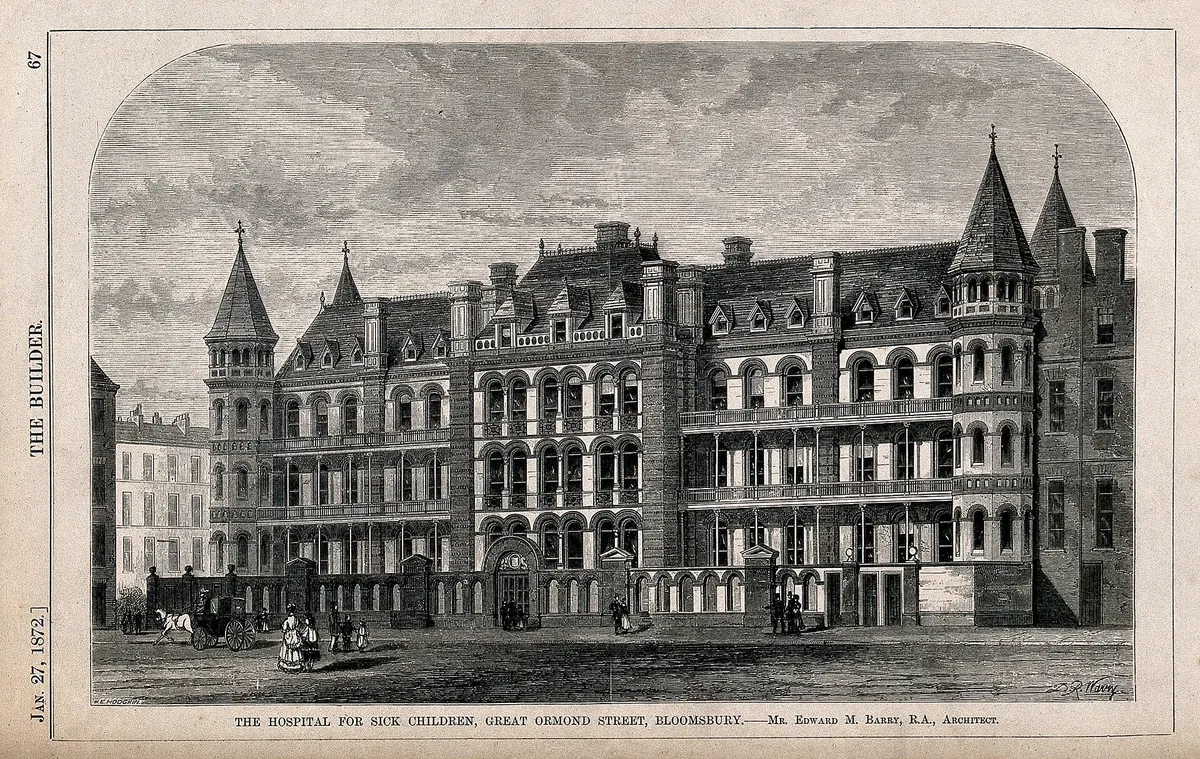
Prominent children's hospitals in England, including Great Ormond Street, Sheffield, and Liverpool's Alder Hey, are reducing their bed capacity and shedding staff. The cuts are being driven by swingeing cost-cutting targets set by National Health Service chiefs to prevent the wider health service from overspending.
Doctors have raised alarms that these reductions could limit hospitals' capacity to handle seasonal surges in ill children. At the same time, hospital executives insist patient care and safety will remain protected despite the severe financial pressures.
What happened
Great Ormond Street Hospital (Gosh) in London has closed 28 beds and is cutting its workforce by 300 positions. The hospital is struggling to identify how to make £50.6m in savings by the end of March. In April, Gosh shut Hedgehog ward, a 10-bed unit caring for children with complex and life-threatening conditions. The trust stated this followed a drop in young patients travelling from the Middle East, partly due to regional conflict. Gosh also reduced beds on its Koala, Alligator Endo-Met, and Panther wards. Board reports noted that the loss of beds on Koala ward sparked concerns about adequate capacity. Two-thirds of Gosh's £31.5m cost improvement programme for 2026/27 will come from workforce reductions. Meanwhile, Sheffield children's hospital has closed eight surgical beds, citing a drop in demand, and is cutting 300 of its 3,500 full-time equivalent staff to save £17.7m this year. Ruth Brown, chief executive of the Sheffield trust, stated they are reimagining how they provide care to make services sustainable. Alder Hey children's hospital in Liverpool must save £24m before next April and has halved the number of beds on a general paediatric ward from 32 to 16. Alder Hey noted it is managing more children at home through virtual wards, aligning with government goals. Both Sheffield and Alder Hey have registered their difficult financial situations as a 20-out-of-25 risk to their ability to function smoothly.
Why it matters
The reductions directly impact specialized pediatric care across England, affecting world-renowned units that treat children with severe brain conditions, ear, nose, and throat issues, and complex medical needs. Shrinking the workforce while units already face staffing shortages creates intense pressure on remaining personnel. Families relying on these specialized institutions face a landscape where physical bed capacity is shrinking significantly.
The background
The National Health Service (NHS) is the publicly funded healthcare system of the United Kingdom, providing healthcare to all legal UK residents. NHS trusts across England have faced mounting financial constraints, with dozens of trusts recently reporting staff and service cuts to stay within strict budgets. Paediatric services have historically experienced severe winter strains when wards fill to capacity with common seasonal illnesses.
What happens next
It remains to be seen whether these hospitals can successfully hit their multi-million-pound savings targets without compromising patient safety. Paediatricians and doctors' representatives warn that the reduced bed numbers and staffing levels will be severely tested when winter brings its usual surge in ill children.
Key takeaways
- Great Ormond Street Hospital has closed 28 beds and is cutting its workforce by 300 positions to meet a £50.6m savings target.
- Sheffield children's hospital has closed eight surgical beds and is cutting 300 staff members to save £17.7m this year.
- Alder Hey children's hospital has halved the number of beds on a general paediatric ward while aiming to save £24m before next April.
- The body representing UK children's doctors warned that the cost-cutting could limit hospitals' ability to cope with a winter surge of ill children.