
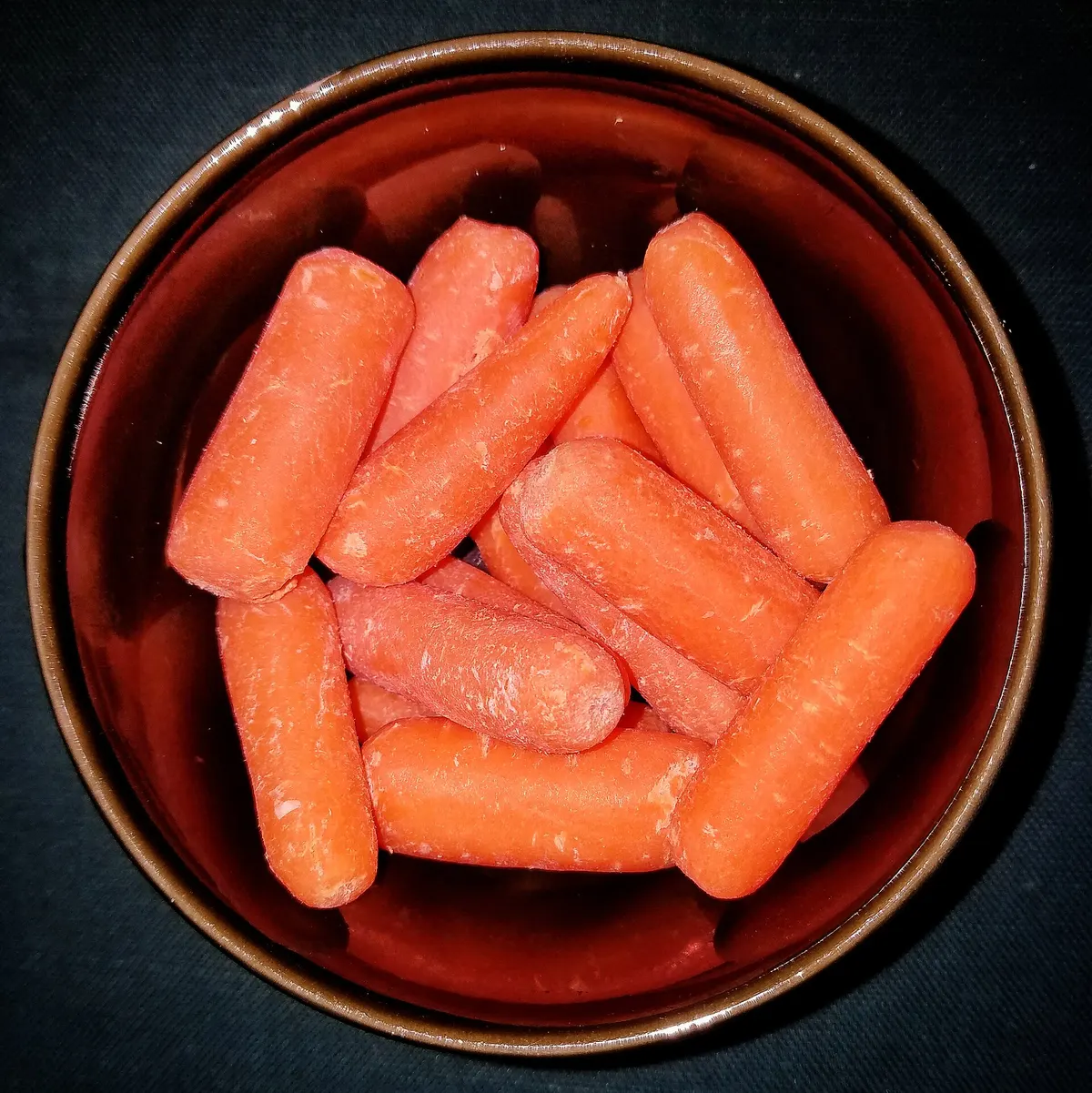
Packaged baby carrots are a staple of lunchboxes and convenience store shelves, prized for their ready-to-eat convenience and neat appearance. However, these uniform snacks are quite different from genuinely immature carrots harvested early in the growing season.
Behind their familiar, rounded shape lies a multi-step industrial manufacturing process that involves heavy machinery, chemical rinses, and a higher price tag than ordinary whole carrots. For consumers looking to avoid extra food processing, understanding how these snacks are made changes the equation.
What happened
Contrary to what their name suggests, commercial baby carrots are typically larger, mature carrots that have been cut down to size. The modern baby-cut carrot is created by taking regular carrots, chopping them into roughly two-inch segments, and feeding them through heavy machinery that shaves and polishes them into smooth, bite-sized cylinders.
To prevent bacterial growth during this intensive processing, the cut carrots may be rinsed in a diluted chlorine solution before they are packaged for sale. Because the natural protective skin has been completely removed during the peeling and polishing stages, these carrots are more prone to drying out. This dehydration leads to a harmless white film known as carrot blush, and the moisture trapped inside sealed bags can sometimes cause the vegetables to turn slimy even before opening.
Why it matters
Buying pre-cut baby carrots carries practical consequences for both wallets and the environment. Consumers often pay a higher price per pound for baby-cut carrots compared to whole carrots, effectively paying a premium for labor and packaging. The manufacturing process also demands significant energy for the machinery required to sort, chop, shave, and polish the vegetables into uniform shapes, reinforcing an aesthetic standard that values manufactured perfection in produce over natural variation.
The background
Commercial baby carrots were originally invented in the 1980s as a clever solution to reduce food waste. At the time, farmers and food processors needed a way to utilize misshapen or broken carrots that would otherwise be discarded because they failed to meet the visual standards of grocery stores. Transforming those imperfect vegetables into neat, snack-sized pieces made them commercially viable and created a massive new product category. Over time, however, the process shifted from salvaging imperfect vegetables to growing and processing whole crops specifically to meet strict size and shape standards for identical orange cylinders.
What happens next
Whole carrots and packaged baby-cut options remain widely available side by side in grocery produce aisles. Consumers continue to weigh the convenience of ready-to-eat vegetables against the added financial cost and industrial processing involved, with many opting to purchase whole carrots and cut them at home instead.
Key takeaways
- Packaged baby carrots are typically larger carrots that have been mechanically cut, peeled, and polished rather than immature carrots harvested early.
- The intensive manufacturing process involves specialized machinery to create uniform shapes and may include a diluted chlorine rinse for food safety.
- Removing the protective outer skin makes baby carrots more vulnerable to dehydration, leading to white surface film and potential sliminess.
- Consumers generally pay a higher price per pound for baby carrots compared to whole carrots, paying extra for the convenience of pre-processing.