
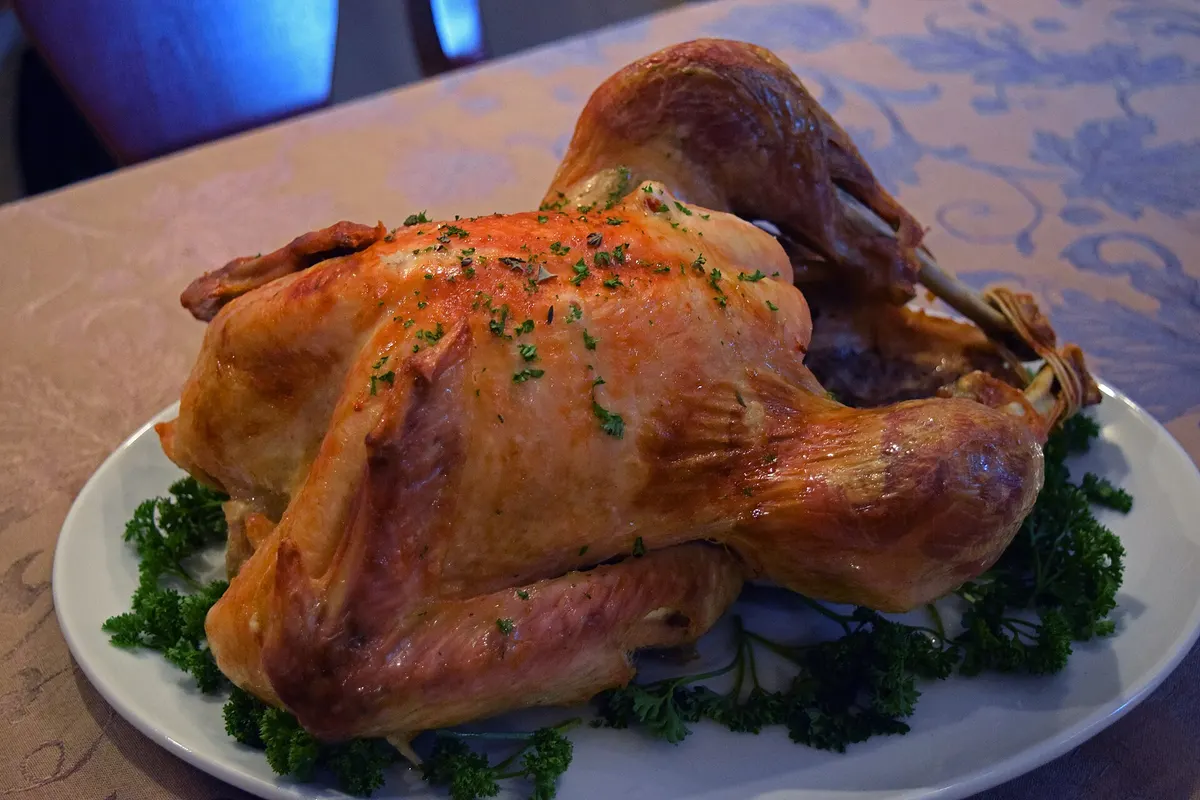
When preparing a Thanksgiving turkey, home cooks often struggle to achieve both rich flavor and moist meat. While culinary professionals experiment with various preparation methods like spatchcocking, brining, or grilling, a fundamental technique involves the strategic application of butter. According to culinary experts, the secret lies in working softened butter directly under the bird's skin rather than just coating the exterior. This simple method ensures the meat stays juicy while creating a deeply flavorful roast.
To execute this technique properly, cooks begin by softening butter at room temperature. Herbs and seasonings such as kosher salt, black pepper, thyme, rosemary, and sage are mixed directly into the butter to form a seasoned compound butter. Instead of placing all the fat on the outside of the turkey, the cook gently separates the skin from the breast meat to create deep pockets. The seasoned butter is then generously worked into these pockets beneath the skin, as well as across the outer surface of the bird before adding further seasoning.
What happened
During a recent Thanksgiving cooking demonstration at Okeechobee Prime Meat Market, co-owner Ralph Lewis shared professional tips for achieving a golden, flavorful turkey. Lewis emphasized that butter is the foundation of a great holiday bird, joking that budgets and butter do not mix. He identified a common mistake among home cooks: placing all the butter exclusively on the outside of the turkey. By instead separating the skin from the breast meat without tearing it, a cook can pack large amounts of fat directly against the muscle. As the turkey roasts in the oven, this hidden butter melts underneath the skin, continually basting the meat to prevent it from drying out. Pre-mixing the herbs directly into the softened butter ensures that the seasonings distribute evenly across the bird as the cooking process takes place.
Why it matters
Holiday meals carry significant social pressure for home cooks who worry about dry, overrated turkey. Utilizing a proper butter technique directly impacts the quality of the meal by tackling the two biggest challenges of roasting poultry: dryness and lack of deep seasoning. By keeping the meat moist and distributing herbs evenly beneath the skin, hosts can reduce their holiday stress and serve a dish that meets professional standards.
The background
Roasting a whole turkey is a traditional centerpiece of Thanksgiving dinner in North America. Over the years, home cooks and professionals have tested numerous methods to improve the notoriously lean bird, which easily dries out during prolonged oven roasting. Techniques range from wrapping the meat in bacon and spatchcocking—removing the backbone to flatten the bird for faster, even cooking—to brining in salted liquids or pickle juice. Despite these varied trends, classic fats like butter remain a staple of traditional culinary instruction.
What happens next
As the holiday season approaches, home cooks continue to prepare for annual family gatherings and large meals. While professional demonstrations provide ongoing tips and tricks for holiday preparation, individual hosts will apply these butter techniques in their own kitchens as they test recipes for their upcoming holiday dinners.
Key takeaways
- Ralph Lewis recommends creating seasoned compound butter by mixing softened butter with kosher salt, black pepper, thyme, rosemary, and sage.
- A common mistake among home cooks is putting all the butter solely on the outside of the bird rather than underneath the skin.
- Gently separating the skin from the breast meat allows cooks to pack generous amounts of butter directly against the muscle.
- As the turkey cooks, the butter melts beneath the skin to help keep the meat moist while contributing to rich color and flavor.