
Ten helicopters and nine fire engines are battling a fast-spreading wildfire in New Zealand's Southland region, where difficult terrain is hampering firefighting efforts on the ground. Strong northwesterly winds are driving the flames toward the coast and underneath a commercial forestry block.
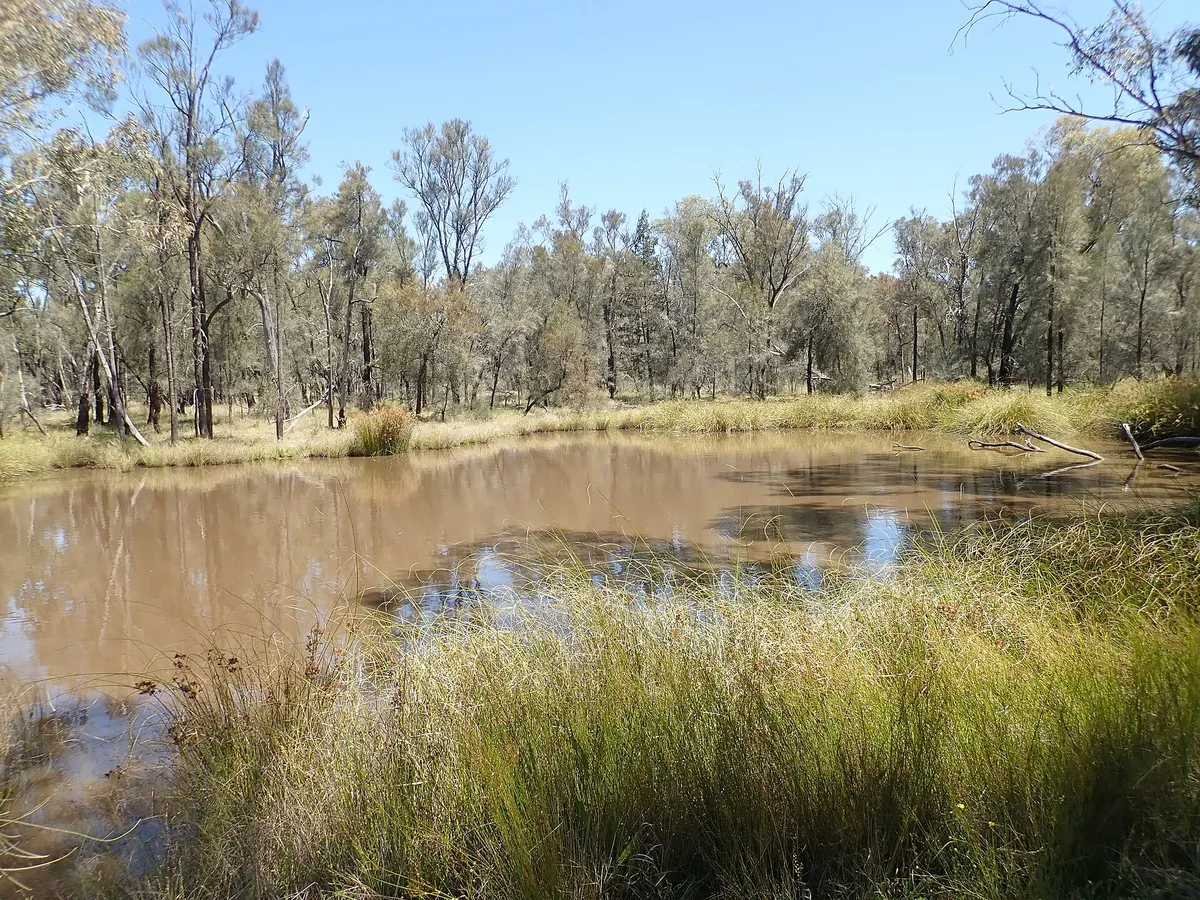
The fire has consumed 38 hectares of the Awarua Wetlands, a large conservation area that provides vital habitat for rare birds, fish, and wildlife. Fire and Emergency New Zealand responded to the emergency after being alerted in the afternoon.
What happened
Fire and Emergency New Zealand received a call about the blaze at the Awarua Wetlands at approximately 2.45pm. What was initially estimated as a 200-metre fire quickly expanded to cover 38 hectares, fanned by strong northwesterly winds.
Initially, five helicopters and nine fire engines were dispatched to tackle the emergency. As the situation escalated, the aerial response was doubled to ten helicopters dropping water from above. Ground crews faced severe challenges due to the wetland's difficult terrain, which severely limited access for fire engines.
By evening, high winds were pushing the flames toward the coast, causing the fire to burn underneath a portion of a commercial forestry block. Fire authorities confirmed that ground operations and water-dropping aircraft would continue until dark.
Why it matters
The Awarua Wetlands are considered an ecologically crucial ecosystem both nationally and internationally. Chelsea McGaw, the regional conservation manager for Forest and Bird Otago and Southland, noted that the area is one of New Zealand's few remaining large wetland systems, which play a vital role in storing carbon and protecting the country from the impacts of climate change.
The ecological damage extends far beyond the physical burning of the landscape. Conservationists warn that the fire destroys irreplaceable habitat for dependent wildlife, including rare plants, sub-alpine species found at sea level, and more than 80 recorded bird species.
Among the vulnerable wildlife affected are the tūturiwhatu New Zealand dotterel, the ngutuparore wrybill, and the matuku-hūrepo Australasian bittern, for which the wetlands serve as a critical stronghold.
The background
The Awarua Wetlands, located south-east of Invercargill, hold immense historical and ecological significance. The Awarua-Waituna complex was designated as New Zealand's first Ramsar Convention on Wetlands site of international importance in 1976, recognising its global ecological value.
Wetlands in the region have faced man-made threats in the past. In 2022, an intentionally lit fire burned through 1,300 hectares of the conservation area. That incident resulted in criminal convictions, with two people sentenced to home detention, community work, and thousands of dollars in fines in the Invercargill District Court.
For the current fire, MetService issued a strong wind watch for Southland and Fiordland, warning of northwest winds expected to approach severe gale force in exposed places.
What happens next
Fire authorities have outlined operational plans for the containment of the blaze, though nighttime limitations are enforced for safety. All ten helicopters were scheduled to be stood down after dark, and firefighting on the ground would be strictly limited to ensure the safety of all personnel.
Planning is actively underway for the resumption of full-scale operations the following morning. MetService's strong wind watch for the region remains in effect until 11am the next day, which will dictate how safely and effectively ground and air crews can resume their attack on the remaining fire.
Key takeaways
- Ten helicopters and nine fire engines were deployed to battle a 38-hectare fire in Southland's Awarua Wetlands.
- Strong northwesterly winds and difficult terrain severely hampered ground access and pushed the fire toward the coast.
- The Awarua-Waituna complex is an internationally recognised wetland of vital ecological importance and carbon storage.
- The fire threatens critical habitat for vulnerable wildlife, including the threatened matuku-hūrepo Australasian bittern and the New Zealand dotterel.