
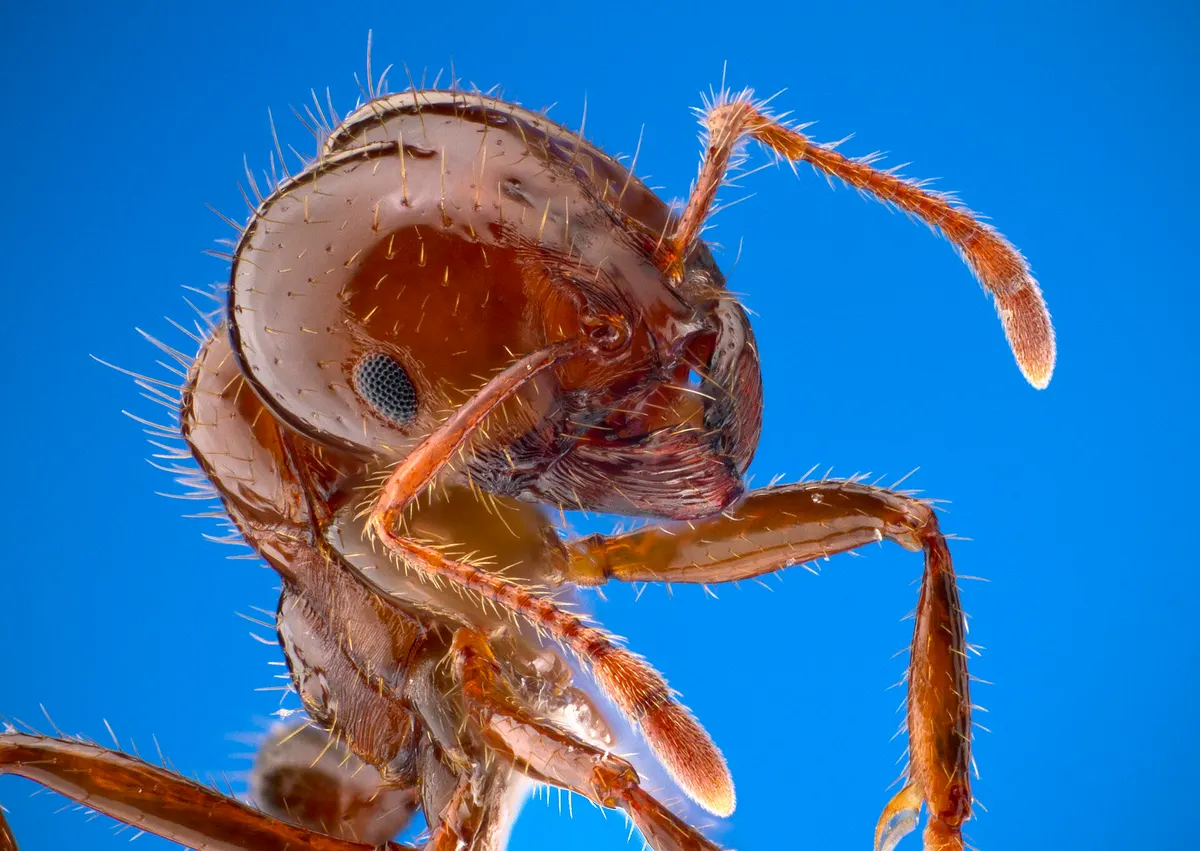
Experts and environmentalists warn that the discovery of invasive red imported fire ants in Sydney highlights severe vulnerabilities in Australia's quarantine system. Successive federal governments have allegedly failed to act on years-old biosecurity recommendations, leaving the country exposed to dangerous foreign pests.
The recent incursions point to systemic delays in addressing quarantine risks, prompting calls for urgent reform from farmers and policy directors alike. Meanwhile, officials point to billions in funding and hundreds of thousands of cargo inspections.
What happened
A large colony of red imported fire ants was discovered in Auburn, an industrial area in Sydney handling imported goods. This marks the second outbreak of the invasive species in Sydney this year, following an earlier discovery on September 23 at the Enfield intermodal logistics centre. New South Wales agriculture minister Tara Moriarty stated that the Auburn outbreak appears to be the result of infested imported goods, prompting the state government to boost on-ground resources and establish a taskforce to trace supply chains.
Why it matters
Experts warn that the infestation could be broader than currently understood and could become a disaster if it establishes itself in metropolitan Sydney. The Invasive Species Council and the National Farmers' Federation argue that the quarantine system is too slow-moving, underfunded, and overly focused on agriculture. Farmers' federation president Hamish McIntyre stated that the country cannot even keep illicit cigarettes out of the borders, let alone difficult-to-detect pests. Professor Tom Kompas of the University of Melbourne noted that a wider metropolitan outbreak would be an absolute disaster.
The background
Red imported fire ants are an invasive species capable of inflicting painful stings and disrupting ecosystems. Australia has historically maintained a reputation for tough biosecurity rules, but critics argue implementation has lagged. Carol Booth of the Invasive Species Council pointed to a 2021 review by the inspector general of biosecurity regarding controls for the Khapra beetle, a major priority plant pest for the grain industry. That review made 13 recommendations to improve regulatory agility, urging a response timeframe of days or weeks rather than months or years. A 2025 follow-up review found that all but one of those recommendations remained open, illustrating ongoing regulatory delays. Federal agriculture minister Julie Collins countered that the government has delivered over $2 billion in additional biosecurity resourcing since 2022, including nearly $296 million for the fire ant eradication program and hundreds of thousands of commercial cargo inspections in the last financial year.
What happens next
While the federal government maintains that the 2021 review recommendations have since been implemented, experts like Tom Kompas suggest the Sydney infestation may already be wider than currently thought. The New South Wales taskforce will continue tracing supply chains to determine how the infested goods entered the country, while eradication efforts proceed on the ground.
Key takeaways
- A large colony of red imported fire ants was discovered in the industrial Sydney suburb of Auburn following an earlier outbreak in September.
- New South Wales agriculture minister Tara Moriarty stated that the outbreak is seemingly the result of infested imported goods.
- Experts and environmentalists warn that successive federal governments have ignored years-old biosecurity recommendations to improve quarantine response times.
- Federal agriculture minister Julie Collins defended the government's record, noting over two billion dollars in additional biosecurity resourcing since 2022.