
Severe weather is disrupting the Thanksgiving holiday across the United States, bringing heavy rain, high winds, coastal flooding, and snow to multiple regions and snarling travel on both coasts. Authorities have declared states of emergency, warned residents to stay off roads, and disrupted major public events.
The widespread storms have directly impacted traditional holiday celebrations. At least two major commercial Thanksgiving parades have been forced off the streets, while flight delays and cancellations affect thousands of travelers during one of the busiest periods of the year.
What happened
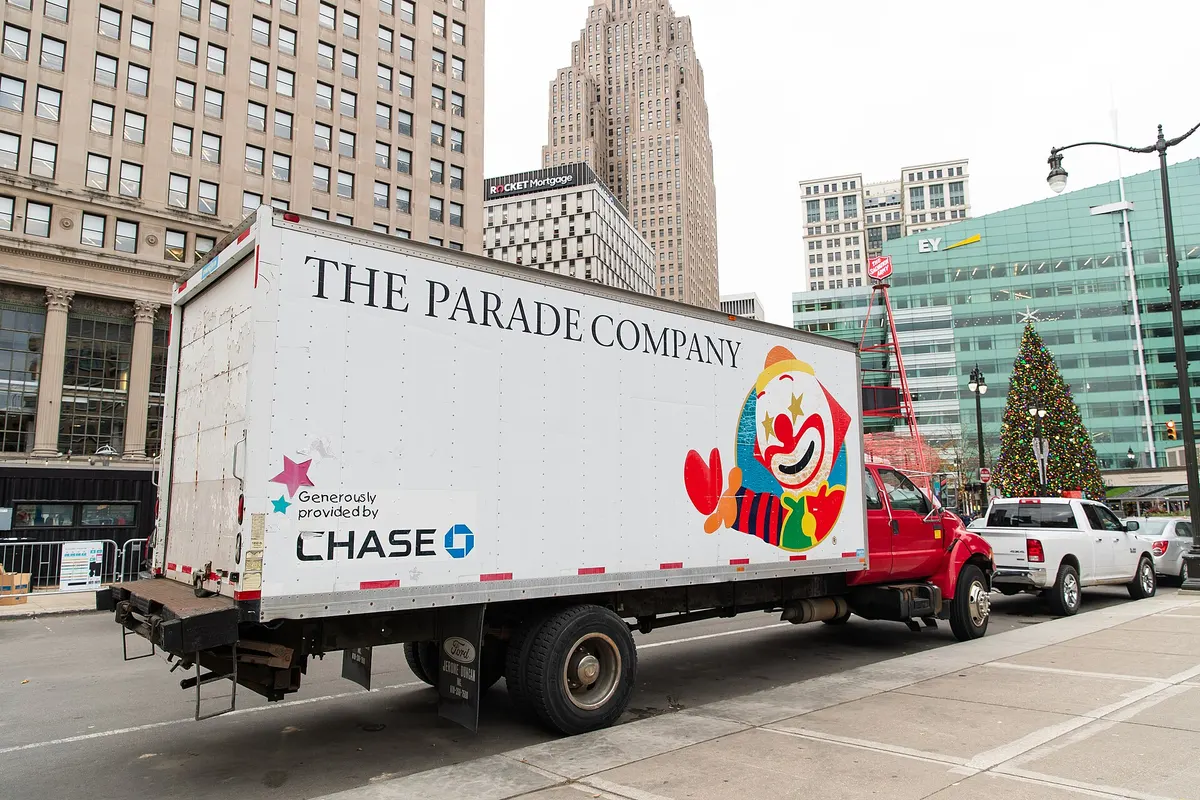
On the East Coast, Philadelphia authorities ordered the city's Thanksgiving Day parade off the streets, shifting it to an alternative television event. In New York, the Macy's parade featuring vast inflatable characters was postponed to Saturday due to expected heavy rain and strong winds, with one estimate putting the cost of re-inflating the balloons with helium at $1.7 million. New York Governor Kathy Hochul declared a state of emergency in several parts of the state, while New Jersey Governor Mikie Sherrill declared a statewide emergency and asked residents to stay off the roads. In Atlantic City, authorities strongly urged voluntary self-evacuations in flood-prone areas. On the West Coast, strong winds and king tides flooded communities and demolished part of a municipal pier in Pacifica Beach, California, while Marin County issued evacuation warnings for beachfront properties in Stinson Beach. Meanwhile, winter storm warnings brought snow to parts of Missouri and Illinois, with up to 13 inches expected around St. Louis, and South Florida faced constant rain, flooding, and a tornado in Palm Beach County.
Why it matters
The severe weather is heavily impacting millions of people attempting to travel for the holiday. FlightAware reported 596 delays and 844 cancellations on Thursday, following more than 6,000 delayed flights on Wednesday. The National Weather Service warned that eastern US airports would face adverse aviation conditions including reduced visibility, turbulence, strong winds, and aircraft icing from Thanksgiving Day into Friday morning. US Secretary of Transportation Sean Duffy noted that the coastal storms would challenge holiday travel, urging citizens to stay in touch with airlines while prioritizing safety over tight schedules. Residents in coastal and flood-prone communities face property risks from high waves, rising waters, and potential debris.
The background
Thanksgiving is traditionally one of the busiest travel periods of the year in the United States, marked by massive public gatherings, family travel, and iconic outdoor events like the Macy's Thanksgiving Day Parade in New York City. These large-scale logistics depend heavily on stable weather conditions. Severe meteorological phenomena such as nor'easters on the East Coast and high tides or heavy rainfall associated with Pacific systems frequently threaten late-November travel and outdoor infrastructure, though widespread simultaneous disruptions across both coasts present unique logistical challenges for federal and state emergency management agencies.
What happens next
Postponed events like the Macy's Thanksgiving parade are rescheduled for Saturday, while officials continue to monitor weather patterns. The National Weather Service expects high pressure to develop over the central and southern Rockies by Sunday evening, bringing clear skies and light winds that will produce freeze warnings over southern New Mexico and southeastern Arizona, alongside a freeze watch for parts of western Texas. State and local authorities continue to urge vigilance as cleanup and recovery efforts loom for affected communities.
Key takeaways
- Severe weather combining heavy rain, high winds, and coastal flooding has struck both the eastern and western United States during the Thanksgiving holiday.
- Major public events were disrupted, including the Philadelphia Thanksgiving parade moving to television and the Macy's Thanksgiving Day parade in New York being postponed to Saturday.
- States of emergency were declared in New York and New Jersey, with local leaders urging residents in vulnerable areas to stay off roads or voluntarily evacuate.
- Air travel faced severe disruptions, with thousands of flight delays and hundreds of cancellations reported across the country by aviation authorities.