
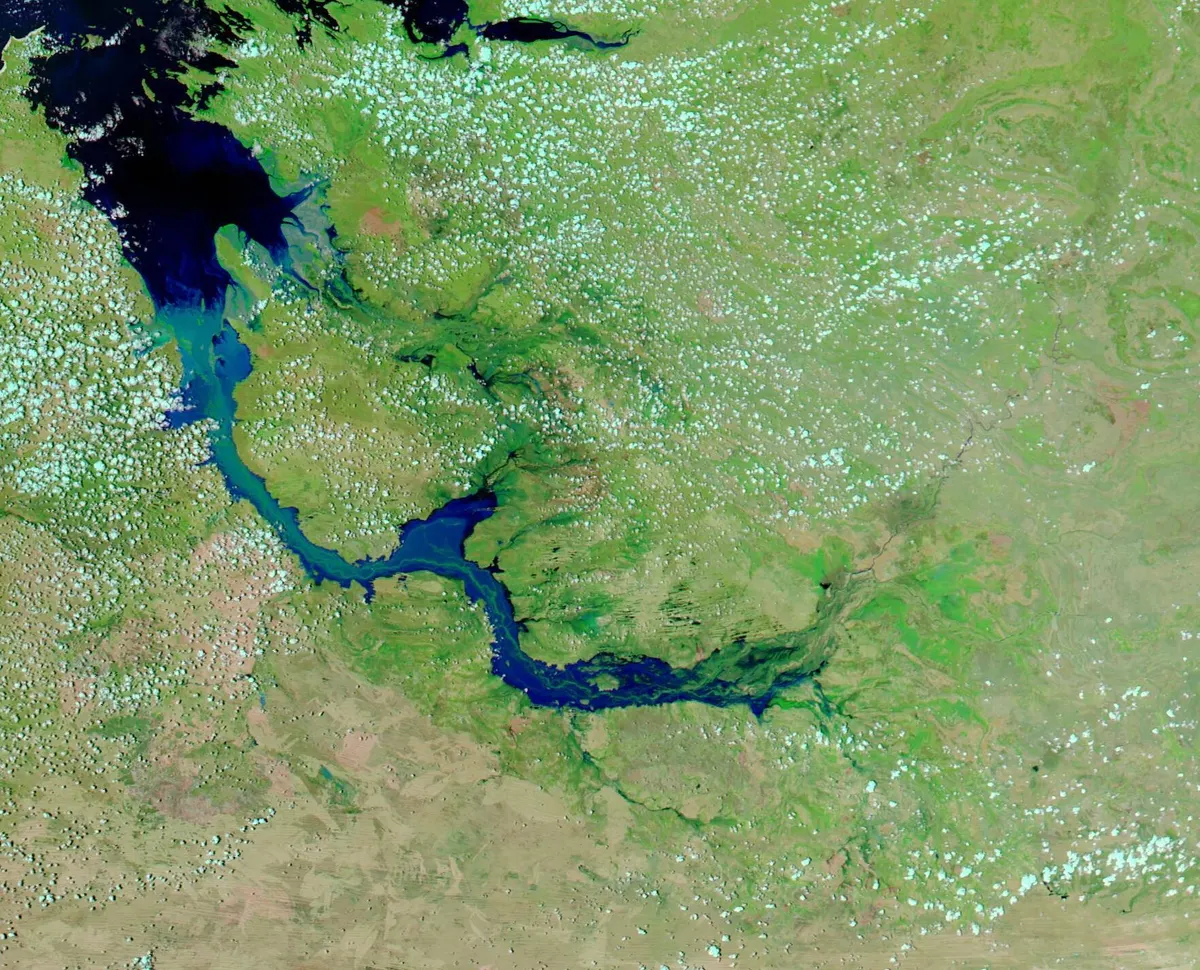
Severe storms and heavy rainfall are battering eastern Australia, bringing life-threatening flash floods, property damage, and evacuations across multiple states. Weather authorities have issued severe weather and flood warnings as moisture-laden air masses collide with communities already saturated from previous deluges.
At least two fatalities have been reported in Queensland following vehicles being swept away by floodwaters. Emergency services have conducted numerous swift-water rescues and issued evacuation orders for hundreds of residents as rivers and dams continue to rise dangerously.
What happened
A developing weather trough near Mount Isa drove severe storms into the south-western quarter of Queensland before tracking toward the south-east. In Inglewood, around 900 people were forced to evacuate, while 200 residents left Yelarbon as water levels rose. Across Queensland, over 400 roads were flooded, and the State Emergency Service responded to hundreds of calls for assistance as rivers like the Dumaresq, Logan, and Dawson breached major flood levels. Meanwhile, a 73-year-old man and another motorist tragically drowned after their vehicles were caught in floodwaters.
Further south, the severe weather system expanded into New South Wales, Victoria, and Tasmania. In north-western Victoria, towns like Yaapeet received a month's worth of rain in roughly an hour, dropping 63 millimetres of precipitation in six hours and causing sudden flash flooding. The Bureau of Meteorology issued severe weather warnings for heavy rainfall and damaging winds across Victoria, predicting six-hourly totals of 55 to 70 millimetres with isolated peaks up to 110 millimetres. In Tasmania, heavy rain bands threatened northern regions with potential six-hourly totals of 40 to 70 millimetres, prompting flood watches for multiple river basins alongside destructive out-of-control bushfires on Flinders Island that had already destroyed at least eight buildings.
Why it matters
The compounding disasters present a severe threat to human life, public safety, and infrastructure across four states. Evacuations have displaced hundreds of residents from their homes, and agricultural operations in southern Australia face severe disruptions during a critical harvest period as fields turn to mud and crops risk damage. Communities situated near overflowing river networks and dams face ongoing inundation risks, while motorists are repeatedly endangered by hidden road hazards and flash floods.
The background
Australia's weather patterns are heavily influenced by large-scale climatic drivers, including the Bureau of Meteorology's observations of a strengthening El Niño and La Niña atmospheric phenomena. These systems dictate seasonal moisture levels, bringing intense wet periods to some regions while driving prolonged heatwaves and dry conditions in the far north, which set the stage for intense bushfires and explosive storm activity.
What happens next
Weather bureaus expect the severe weather, heavy rain, and storm activity to persist through the weekend, moving across New South Wales, Victoria, and Tasmania. Authorities warn that saturated catchments will continue to feed swollen river networks long after the immediate rain stops, maintaining high flood alerts into December.
- Severe storms and torrential rainfall have triggered widespread flash flooding and emergency evacuations across Queensland, New South Wales, Victoria, and Tasmania.
- At least two people have died in Queensland after being caught in dangerous floodwaters.
- Towns in north-western Victoria received a month's worth of rain in a single hour, causing sudden localized inundation.
- Firefighters are simultaneously battling an out-of-control bushfire on Flinders Island that has destroyed at least eight buildings.