
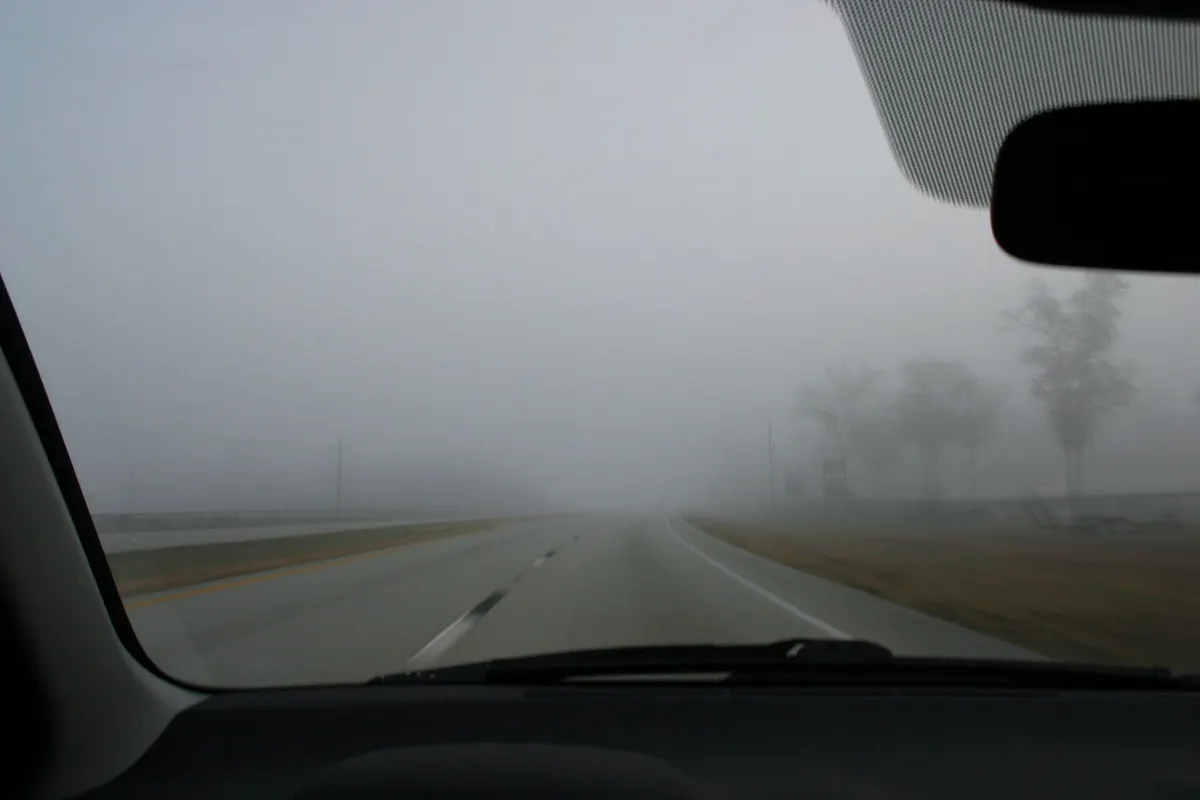
India is experiencing contrasting seasonal weather patterns as November draws to a close. While northern and northwestern states are bracing for dense morning fog, falling temperatures, and cold wave conditions, southern regions are facing heavy rainfall, thunderstorms, and gusty winds.
The India Meteorological Department has issued widespread weather alerts. These alerts highlight how different parts of the country are reacting to seasonal shifts, impacting travel, daily routines, and agriculture.
What happened
Northern and northwestern states, including Delhi, Punjab, Haryana, Uttar Pradesh, and parts of Rajasthan, are experiencing dry weather accompanied by clear days and chilly mornings. Dense fog has reduced visibility, disrupting road and rail travel. In higher-altitude Himalayan regions, water bodies have begun freezing as temperatures fall below zero. Shopian in the Kashmir Valley recorded a minimum temperature of -4.4°C, while Tabo in Himachal Pradesh dropped to -4.2°C. Meanwhile, parts of East Rajasthan face cold wave conditions, with Sikar recording a minimum of 5°C.
In contrast, southern states such as Tamil Nadu, Kerala, Andhra Pradesh, and Karnataka are experiencing wet weather driven by easterly wave activity and cyclonic circulations. The weather department has forecast isolated heavy rainfall ranging between 64.5 and 115.5 millimeters in Kerala, Mahe, Tamil Nadu, Puducherry, and Karaikal. These regions are also witnessing thunderstorms, lightning, and gusty winds reaching up to 60 kilometers per hour.
Central and western regions, including Madhya Pradesh, Gujarat, Maharashtra, and Goa, are mostly dry and sunny with no major weather warnings. However, eastern states like Bihar, Jharkhand, and parts of the Northeast are experiencing cooler nights and localized morning fog.
Why it matters
The severe weather split directly impacts millions of residents across different states. In northern and northeastern urban centers, dense fog severely hampers visibility, creating hazards for morning commuters and delaying road, rail, and air transport. Falling temperatures and cold waves increase discomfort for vulnerable populations and raise concerns for rabi crops, such as wheat, mustard, and gram, which can be affected by frost in areas like Uttarakhand and Bihar.
In the south, heavy downpours and thunderstorms create localized flooding risks and disrupt daily routines. Gusty winds can damage infrastructure or uproot trees in coastal and interior districts. Poor air quality in northern urban pockets adds a secondary health challenge to the dropping temperatures.
The background
The India Meteorological Department acts as the national agency responsible for meteorological observations, weather forecasting, and seismology in India. The current weather divergence is a typical feature of late November as winter systems begin to establish themselves over the subcontinent.
Northern cold conditions are influenced by Western Disturbances—extratropical weather systems originating in the Mediterranean region that bring winter rain and snow to the Indian subcontinent. Meanwhile, southern rainfall is governed by easterly waves and cyclonic circulations moving across the Arabian Sea and the Bay of Bengal.
What happens next
Cold conditions and morning fog are expected to persist across northern and northwestern states over the coming days, with minimum temperatures potentially dropping further in parts of Jharkhand and Rajasthan. Frost remains likely at isolated high-altitude locations in Uttarakhand.
In the south, heavy rainfall and thunderstorms are projected to continue over Kerala and Tamil Nadu, while a fresh upper-air cyclonic circulation could develop over the south Andaman Sea around November 29. Local authorities have advised residents to monitor daily weather updates and take precautions against the cold and rain.
Key takeaways
- Northern and northwestern states are experiencing dense morning fog, which has reduced visibility and disrupted transport.
- Higher-altitude Himalayan areas have recorded sub-zero temperatures, with water bodies beginning to freeze in parts of Kashmir and Himachal Pradesh.
- Southern states including Kerala and Tamil Nadu are facing heavy rainfall, thunderstorms, and gusty winds driven by easterly wave activity.
- Parts of East Rajasthan are under cold wave alerts, while eastern and northeastern states anticipate a gradual decline in minimum temperatures.