
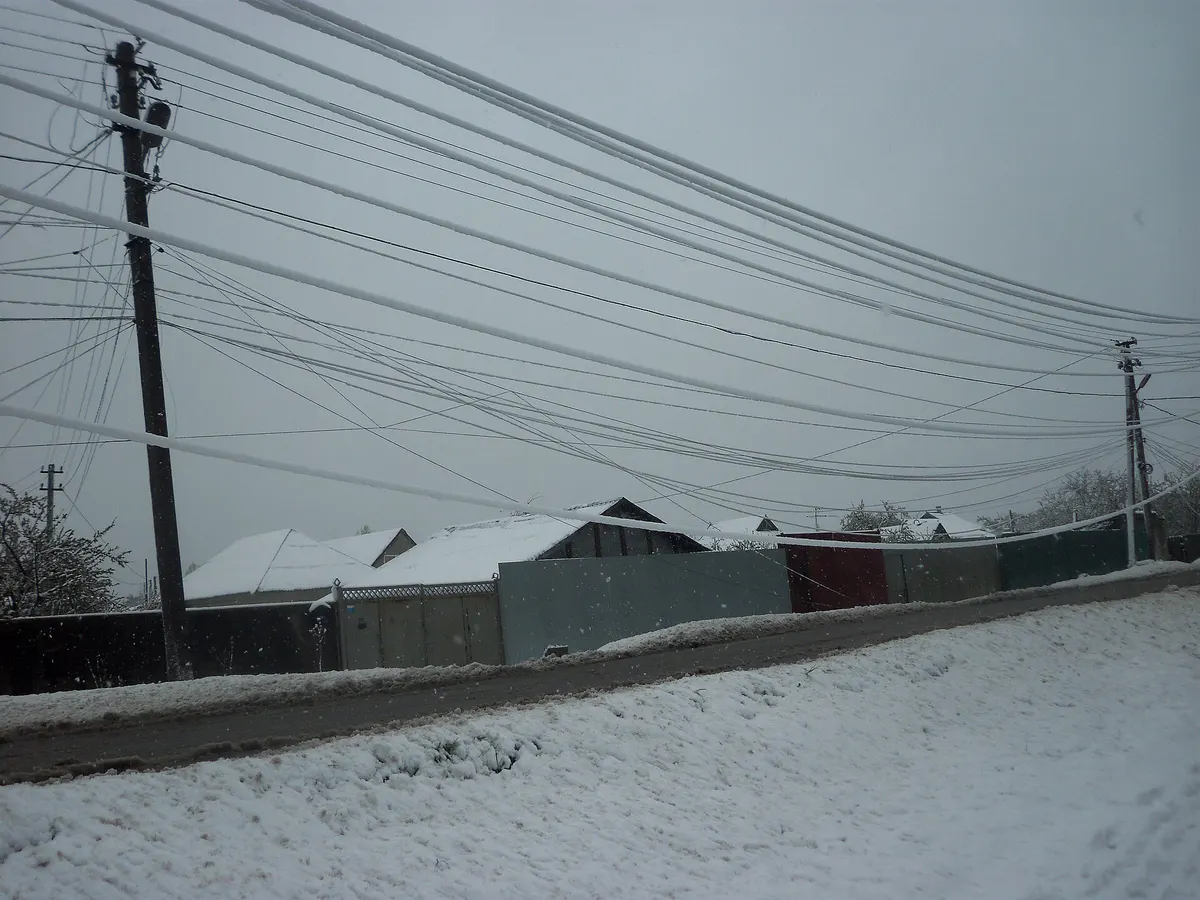
A powerful nor'easter struck the central and eastern United States on Thanksgiving Day, bringing heavy rain, damaging wind gusts reaching up to 112 kilometres an hour, and coastal flooding. The severe weather disrupted holiday celebrations for millions of Americans, knocked out power for close to one million customers, and forced major disruptions across the nation's aviation hubs. States of emergency were declared in areas including New Jersey and parts of New York as authorities urged residents to avoid unnecessary travel and take precautions against falling trees and rising floodwaters.
The severe weather arrived during one of the busiest travel periods of the year. While the worst of the coastal storm was expected to clear by Friday morning, lingering winds, rain, and transit delays continued to affect holiday travelers and Black Friday shoppers across the Northeast and Mid-Atlantic.
What happened
The winter storm system swept across the East Coast on Thursday, bringing intense rainfall and high-velocity winds that battered residential properties and infrastructure. Utility data recorded more to over 960,000 households and businesses without electricity on Thursday evening. Pennsylvania bore the brunt of the outages with over 224,000 customers losing power, followed closely by New Jersey with roughly 191,000 outages. Maryland and Virginia also experienced major electricity failures, logging around 151,000 and 124,000 affected customers respectively. In Maryland, local authorities urged nearly two million customers in the Washington suburbs to reduce water consumption due to fears that widespread blackouts could cripple the state water treatment system. In New York City, emergency responders rescued two people from vehicles trapped in floodwaters.
The storm severely impacted air travel nationwide. Flight-tracking data recorded more than 2,300 flight delays and over 400 cancellations on Thursday, concentrated heavily at major airports in the East Coast corridor. Airports including John F Kennedy International, LaGuardia, Newark Liberty, Baltimore/Washington International, and Boston Logan reported significant disruptions, with Baltimore/Washington alone seeing over a quarter of its scheduled flights cancelled. Major domestic carriers such as Delta Air Lines, United Airlines, and American Airlines responded by issuing travel waivers, allowing eligible passengers to rebook flights without incurring extra fees or fare differences.
The high winds and heavy rainfall also forced a historic scheduling change for New York City's annual Macy's Thanksgiving Day Parade. For the first time in its century-long history, organizers postponed the iconic holiday event due to weather safety concerns, rescheduling it for Saturday to protect participants, staff, and millions of spectators from dangerous winds and potential falling giant balloons.
Why it matters
The storm struck at the peak of the Thanksgiving holiday, a time when millions of Americans travel long distances to gather with family and friends. The sudden loss of power in nearly a million homes meant that many families spent their holiday dinners in the dark without heating or functional cooking appliances. The closure of major bridges, coastal flooding, and treacherous road conditions trapped motorists and left emergency services scrambling to handle rescue operations, such as saving drivers from flooded vehicles. Furthermore, the cancellation of hundreds of flights created a ripple effect of delays that threatened to disrupt return travel plans well into the weekend.
The background
A nor'easter is a strong low-pressure storm system that forms along the East Coast of North America, typically characterized by winds blowing from the northeast off the Atlantic Ocean. These storms frequently bring heavy precipitation, gale-force winds, and severe coastal flooding to the Mid-Atlantic and New England regions. The Macy's Thanksgiving Day Parade, famous for its massive character balloons and festive floats marching through Manhattan, has a long history dating back a century. Prior to this event, the parade had only ever been cancelled during World War II, when it was suspended for three consecutive years from 1942 to 1944. Organizers remain acutely sensitive to wind hazards because a 1997 incident involving an 18-foot-tall Cat in the Hat balloon colliding with a lamppost left a spectator unconscious.
What happens next
Forecasters report that the core of the historic coastal storm will lift away by Friday morning, though lingering rain and colder air wrapping around the back of the system could produce snow and freezing rain in the higher elevations of interior New England. The primary hazard on Friday will remain strong, blustery winds across the Northeast, which pose a continued threat of tree damage and additional power outages in areas already weakened by Thursday's gusts. Coastal flooding concerns are expected to diminish as winds shift offshore, but rough surf and beach erosion will persist. Meanwhile, the rescheduled Macy's Thanksgiving Day Parade is set to take place on Saturday, provided weather conditions improve sufficiently for the safe handling of the giant balloons.
Key takeaways
- A powerful nor'easter struck the central and eastern United States on Thanksgiving Day, bringing heavy rain, high winds, and coastal flooding.
- More than 960,000 homes and businesses lost power across states including Pennsylvania, New Jersey, Maryland, and Virginia.
- Flight-tracking data recorded more than 2,300 flight delays and over 400 cancellations at major East Coast aviation hubs.
- New York's Macy's Thanksgiving Day Parade was postponed for the first time in its 100-year history due to safety concerns from high winds.
- Lingering winds and residual travel disruptions are expected to affect holiday return travel and Black Friday shoppers across the Northeast.