
A new report from the Public Committee Against Torture in Israel alleges that the Israeli legal system officially sanctions the use of torture to extract confessions from Palestinian detainees. Investigators found that abuse is sometimes documented in official records or approved in advance by authorities.
The findings arrive as Israel moves to implement a new death penalty law targeting Palestinians. Human rights advocates warn that these interrogation tactics risk causing irreversible miscarriages of justice.
What happened
The Public Committee Against Torture in Israel examined 42 complaints filed by Palestinians regarding torture by Shin Bet interrogators over the past decade. More than three-quarters of the complainants stated they confessed after enduring illegal methods or torture. One in ten provided incriminating statements about other individuals while undergoing abuse.
Detainees consistently described extreme sleep deprivation, physical violence including slapping and kicking, threats, sexual violence, and the use of stress positions. Sleep deprivation was the most frequently cited method, with more than half of the examined complaints also including stress positions and physical violence.
The report highlights the specific case of a Palestinian lawyer arrested in February 2019 who faced extreme sleep deprivation. During a 27.5-day interrogation period totaling 660 hours, he was questioned for more than 552 hours—averaging 20 hours a day, with one session running for nearly 48 hours. Although Israel’s supreme court explicitly prohibited sleep deprivation as an interrogation method in 1999, the lawyer was convicted of involvement in shooting attacks using information extracted during this period. The state inspector for complaints about Shin Bet interrogations ruled that the sessions followed proper procedures.
According to the report, Israel uses a "necessity interrogation" framework where Shin Bet officials torture detainees after consulting superiors and documenting their decisions internally. Between 2001 and 2024, more than 1,680 torture complaints were filed with the state inspector, yet none resulted in an indictment.
Why it matters
The systematic use of torture threatens to produce false confessions and grave miscarriages of justice. The report notes that false confessions obtained under duress have previously been used as evidence by prosecutors against detainees.
These interrogation practices take on heightened severity as Israel moves to impose the death penalty for the first time since 1962. Critics argue that executing individuals within a legal system tainted by systematic violence and forced confessions is profoundly dangerous.
The background
Shin Bet is Israel’s internal security service. While Israel is a signatory to the United Nations convention against torture, its legal system has effectively permitted violence and abuse when deemed necessary to extract critical information.
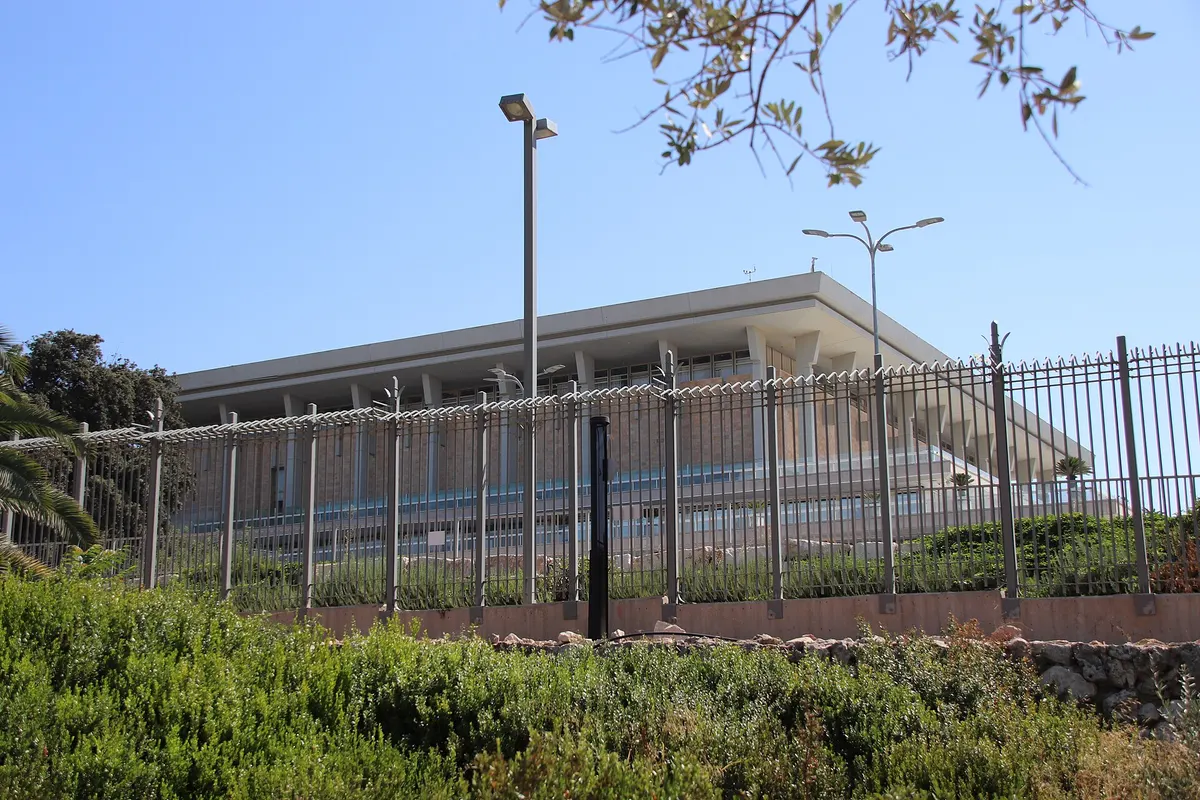
In March, the Israeli parliament, the Knesset, passed a law allowing the execution of Palestinians convicted of terror charges over deadly attacks. This development aims to end a de facto moratorium on capital punishment that had stood since the 1962 execution of Nazi war criminal Adolf Eichmann.
What happens next
The report warns that the new death penalty law is moving toward implementation, targeting Palestinians while exempting others. There is no publicly available information on the exact scale of necessity interrogations currently conducted inside the Shin Bet.
Key takeaways
- The Public Committee Against Torture in Israel examined 42 complaints against Shin Bet interrogators over the past decade.
- More than three-quarters of complainants stated they confessed after enduring torture or other illegal interrogation methods.
- Between 2001 and 2024, more than 1,680 torture complaints were filed with the state inspector, resulting in zero indictments.
- The findings emerge as Israel moves to implement a new death penalty law targeting Palestinians.