
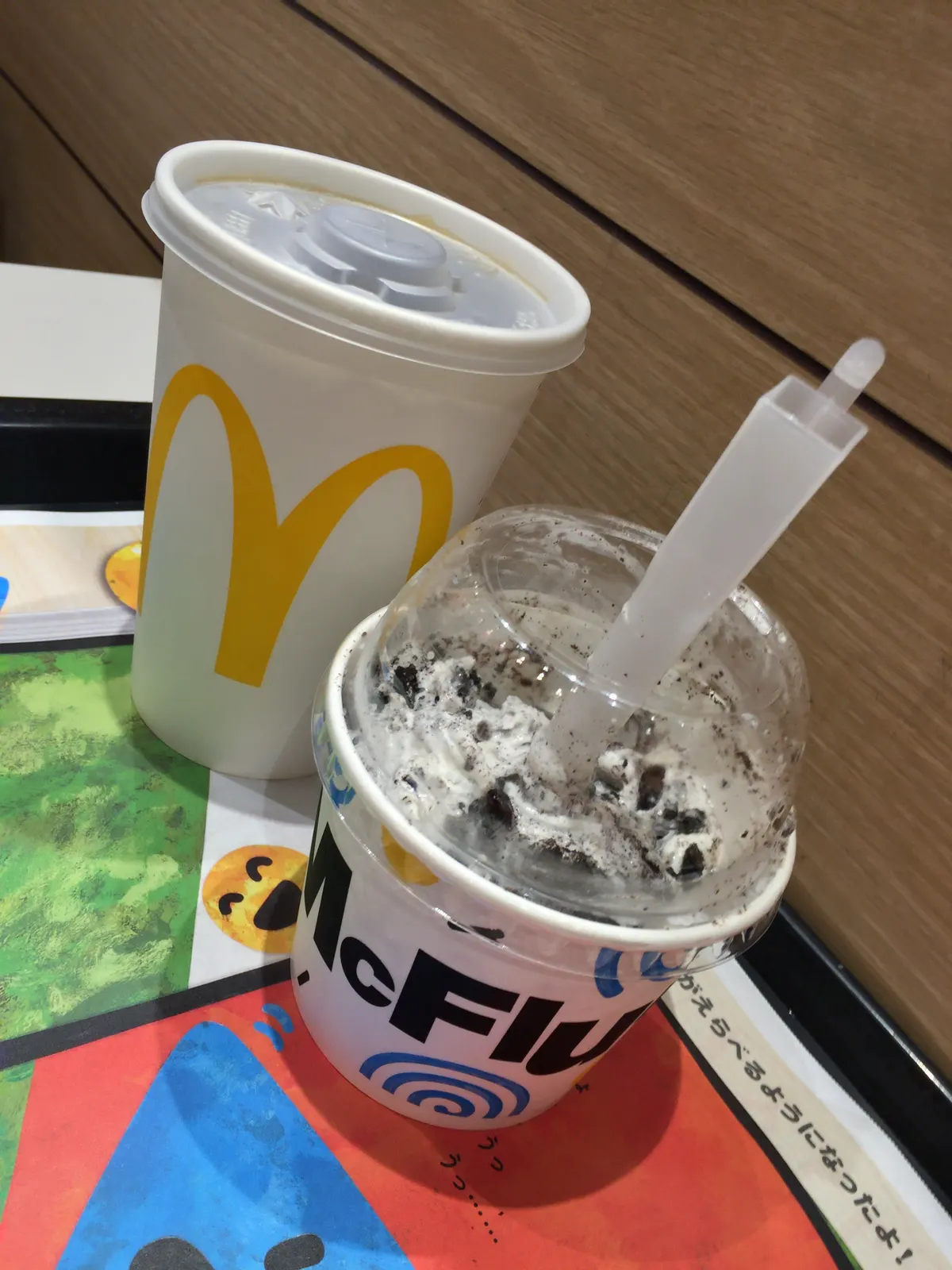
McDonald's has officially brought back its iconic McFlurry mixing machines to restaurants across Australia. The move ends years of customer frustration over desserts served unmixed, but the return of the mixing technique has also highlighted an ongoing environmental dilemma regarding plastic cutlery.
While the fast-food giant has restored the mechanical stirring process that blends toppings throughout the soft serve, it cannot bring back the original hollow-handled plastic spoons that defined the dessert for a generation. Strict single-use plastic bans across Australian states and territories have forced the company to use wooden spoons instead.
What happened
McDonald's Australia confirmed the nationwide return of its McFlurry mixing technique following years of customer complaints that the dessert had been reduced to a glorified sundae with toppings merely resting on top. The company stated that the machines had not been seen in Australian restaurants since 2015.
News of the comeback first leaked through social media after food reviewers and customers spotted mixing machines arriving at restaurants and received app notifications. A spokesperson for McDonald's confirmed the rollout, describing it as a piece of nostalgia introduced just in time for summer.
However, the revival of the mixing technique brought immediate attention to the utensils used to eat the dessert. Because single-use plastics are banned across six Australian states and territories—starting with South Australia in March 2021 and followed sequentially by other regions—McDonald's relies on wooden spoons as an alternative.
Food influencers and customers quickly pointed out the discrepancy on social media, expressing concern that wooden spoons might break while attempting to stir thick ice cream. Conversely, other consumers defended the wooden cutlery as a necessary step to reduce litter and protect wildlife.
Why it matters
For years, Australian consumers have complained about receiving unmixed McFlurries, often having to manually stir the toppings through the soft serve themselves. The absence of the proper mixing process had become a particular annoyance for longtime fans.
At the same time, the transition highlights the practical hurdles major corporations face when trying to satisfy consumer nostalgia while complying with environmental regulations. The ban on single-use plastics restricts the company from fully replicating the original McFlurry experience, forcing a compromise between traditional preparation methods and modern ecological laws.
The background
A McFlurry is a popular fast-food dessert consisting of soft-serve vanilla ice cream combined with various mix-ins such as chocolate or biscuit pieces. Historically, the dessert was prepared using a specialised machine that attached to a hollow, square-shaped plastic spoon, which acted as the mixer blade and was then handed directly to the customer.
Over the past several years, Australian jurisdictions enacted progressive bans on various single-use plastics to curb environmental waste. South Australia initiated the shift in 2021, with the Australian Capital Territory, Queensland, Western Australia, New South Wales, Victoria, Tasmania, and the Northern Territory implementing or committing to similar restrictions on items like cutlery and packaging.
What happens next
The mixing machines are currently rolling out across restaurants ahead of a nationwide implementation. It remains to be seen whether customer complaints regarding the durability of the wooden spoons will prompt further changes or alternative utensil designs from McDonald's.
Key takeaways
- McDonald's has reintroduced McFlurry mixing machines in Australia after years of customer demand and complaints.
- The original hollow plastic spoons cannot return because single-use plastic bans prohibit them across six Australian states and territories.
- McDonald's is using wooden spoons as an alternative, sparking mixed reactions from customers concerned about potential breakage.
- The company states that the return of the mixing technique is intended to provide a sense of nostalgia for the summer season.