
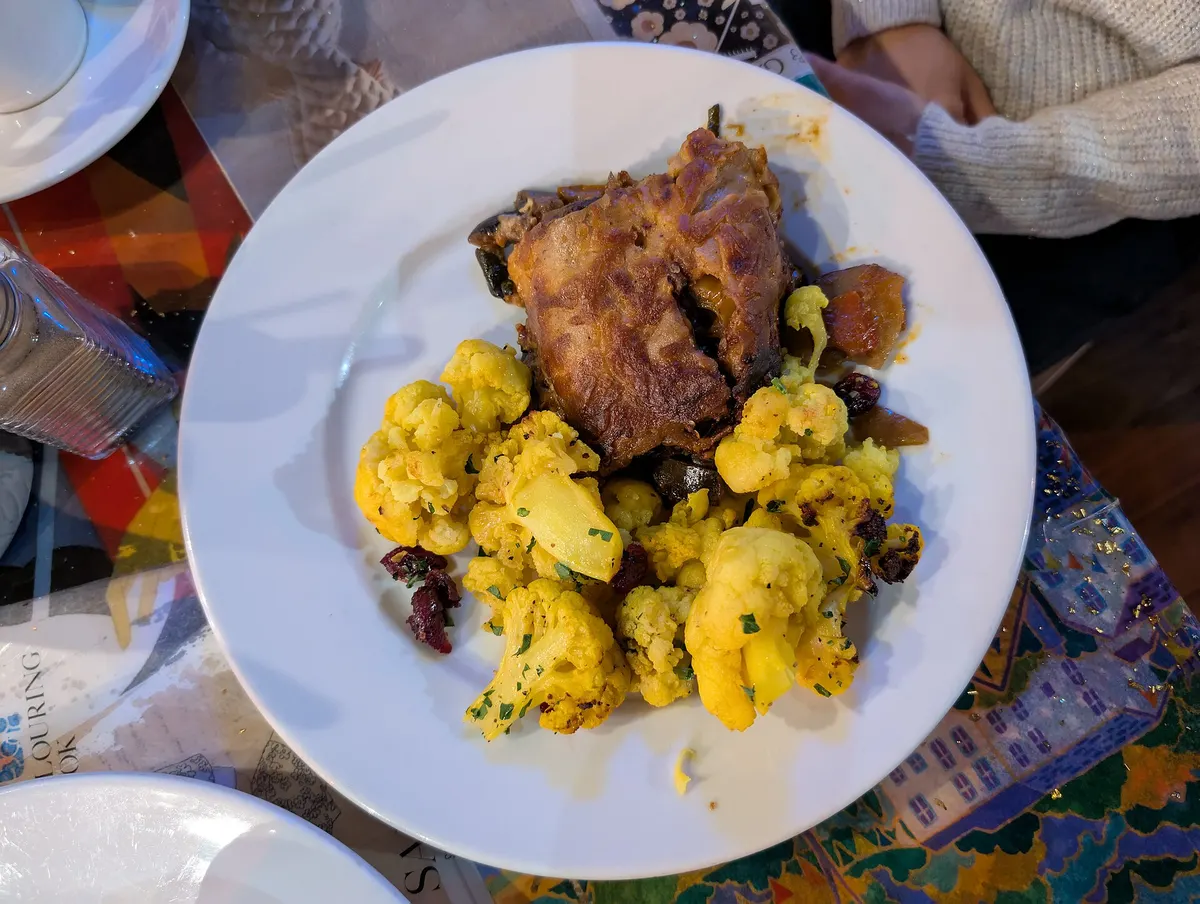
Holiday cooking often centers around traditional roasted meats, but plant-based eaters and home cooks looking to shake up their menus have increasingly turned to creative vegetable dishes. A whole-roasted cauliflower serves as a robust, satisfying centerpiece for a vegetarian Thanksgiving spread, delivering classic autumn flavors without relying on animal products.
This culinary trend offers a flexible alternative that can stand alone as a main course or sit alongside traditional holiday staples. As dietary preferences evolve, cooks are finding innovative ways to adapt holiday meals for diverse groups of guests.
What happened
The recipe for Thanksgiving cauliflower requires a prep time of 15 minutes and a total time of one hour and 45 minutes, yielding four servings with 314 calories per serving. Designed to steal the show as the star of a vegetarian Thanksgiving spread, the dish features a homemade vegetarian gravy. While robust enough to function as a main dish, it also works as a holiday side alongside traditional items like mashed potatoes, green bean casserole, and turkey tenderloin.
For leftovers, the recipe calls for storing the cauliflower and gravy separately in airtight containers in the refrigerator for up to three to four days. This separation prevents the cauliflower from becoming soggy.
Beyond the standard roasted version, variations on cauliflower dishes for holiday dinners include brown sugar BBQ whole-roasted cauliflower and balsamic-glazed roasted cauliflower.
Why it matters
Holiday gatherings frequently feature guests with varying dietary restrictions, ranging from vegans and vegetarians to individuals following low-carbohydrate eating plans. Incorporating a vegetable-forward centerpiece allows hosts to accommodate plant-based eaters without requiring an entirely separate meal. Furthermore, because dietary guidelines and nutritional philosophies have shifted over the years—moving away from demonizing healthy fats toward limiting high-starch vegetables and refined carbohydrates—ingredients like cauliflower have taken on new culinary roles as versatile substitutes.
The background
Thanksgiving traditions in the United States have long centered around roasted turkey and heavy side dishes containing dairy products like butter, cream, and cheese. However, modern holiday planning routinely accounts for plant-based diets, motivating cooks to develop vegan and vegetarian iterations of classic dishes, from green bean casserole and stuffing to pumpkin pie and gravy. Culinary media frequently publishes comprehensive guides featuring dozens of plant-based recipes to help omnivores and vegans alike navigate holiday potlucks and Friendsgivings.
What happens next
As the holiday season approaches, home cooks continue to test and adapt plant-based recipes for family gatherings. Specific outcomes, exact host preferences, and the wider adoption of these vegetable-centric dishes remain up to individual kitchen planners and their holiday guests.
Key takeaways
- A whole-roasted cauliflower serves as a satisfying main dish or holiday side for a vegetarian Thanksgiving spread.
- The recipe requires a 15-minute prep time and a total time of one hour and 45 minutes, yielding four servings at 314 calories each.
- Storing leftover cauliflower and gravy separately in airtight containers in the refrigerator for up to three to four days prevents the dish from getting soggy.
- Alternative holiday variations include brown sugar BBQ whole-roasted cauliflower and balsamic-glazed roasted cauliflower.