
Food editors and home cooks are looking at everyday breakfast items through a fresh lens, experimenting with pantry staples to elevate basic morning dishes. By incorporating specialty baking ingredients into standard recipes, cooks can achieve distinct flavors without adding hours to preparation time.
Food editor Ali Domrongchai reports that adding a few tablespoons of almond paste to standard pancake batter creates a rich, sweet-nutty flavor profile reminiscent of an almond croissant. The method relies on a food processor to ensure the paste blends smoothly into the mixture, resulting in an upgraded breakfast that takes less than twenty minutes from start to finish.
What happened
During a period of studying abroad in London, the food editor discovered specialty almond paste in a local grocery store and began experimenting with incorporating it into everyday baking. After testing it in blondies, cookies, and cake batters, she applied the ingredient to pancake batter. The preparation involves using a food processor to thoroughly combine the almond paste into the wet or dry ingredients of the pancake batter. The resulting breakfast item offers a decadent flavor that serves as an impressive brunch main or an elevated weekday meal.
Why it matters
Home cooks constantly seek accessible ways to elevate everyday meals without requiring advanced culinary skills or lengthy preparation times. Utilizing specialty ingredients like almond paste in familiar, quick-cooking formats like pancakes bridges the gap between everyday convenience and bakery-quality indulgence. This approach allows home kitchens to replicate complex flavors, such as those found in laminated pastries, with minimal effort.
The background
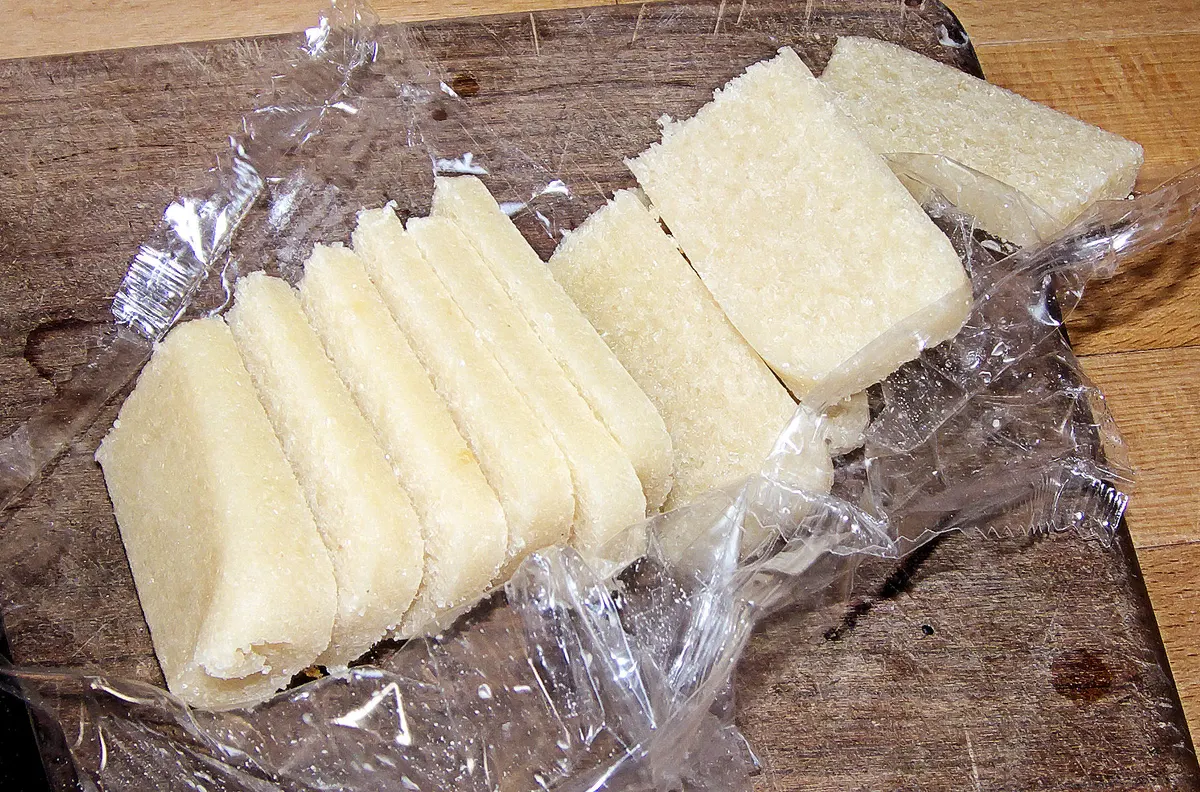
Almond paste is a baking ingredient typically made from equal parts ground almonds and sugar, combined with a liquid binder such as water, rosewater, syrup, almond extract, or occasionally egg whites. Its exact makeup varies by region, such as the Swedish variety known as mandelmassa, which includes ground almonds, sugar, water, simple syrup, and alcohol. Almond paste is distinct from marzipan, which functions similarly to an edible fondant that can be easily molded and safely eaten raw. While marzipan contains a higher sugar-to-almond ratio and is frequently used for decorative purposes, almond paste is commonly used as a filling or topping for baked goods like croissants, cakes, and pies.
What happens next
Culinary professionals and food writers continue to share creative ways to utilize specialty baking ingredients in everyday cooking. Readers and home cooks can experiment with incorporating almond paste into their own baking routines or share alternative preparation methods in public forums and comments sections.
- Food editors recommend adding a few tablespoons of almond paste to standard pancake batter to achieve a rich and nutty flavor.
- Using a food processor ensures the dense almond paste blends thoroughly into the rest of the batter ingredients.
- Almond paste is made from equal parts ground almonds and sugar combined with a liquid binder, differing from moldable marzipan.