
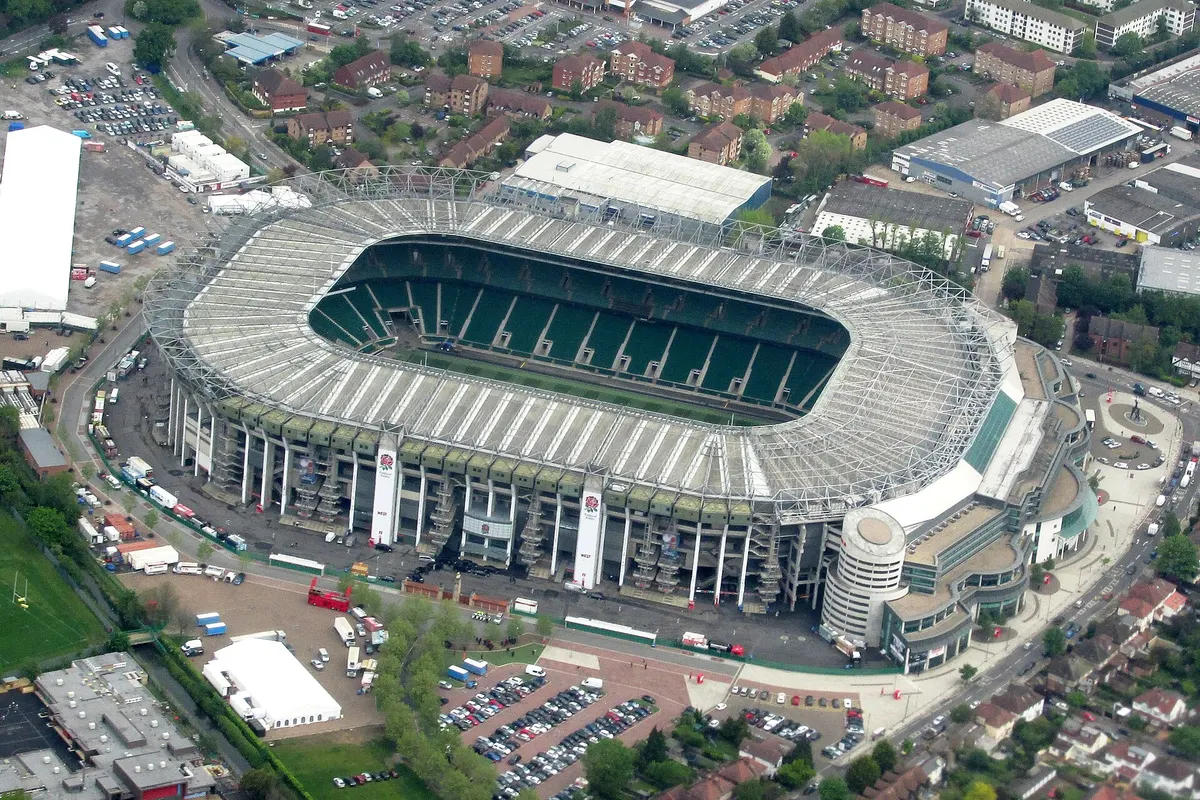
Organising the finals week for rugby's new Nations Championship has required an unprecedented logistical effort, bringing together more than 550 players and support staff from the world's top 12 teams. The entire tournament is being funnelled into three days and a single venue at Twickenham, creating unique hurdles for event planners.
From shipping specialised rice cookers to securing hotel beds over a busy shopping weekend, every detail has required intensive planning. The tournament places immense demands on transport, stadium facilities, and pitch management as multiple matches take place back-to-back.
What happened
The inaugural Nations Championship finals week brings six matches played over three days at Allianz Stadium in Twickenham. Organisers faced their first major hurdle at the start of the year when trying to secure enough accommodation in one corner of London during a busy weekend kicked off by Black Friday sales. Block bookings were made in hotels stretching across Brentford, Guildford, Cobham and beyond. Chefs and team nutritionists coordinated with establishments lacking experience in hosting elite rugby teams to ensure adequate supplies of high-protein foods like eggs and chicken were available.
Teams also submitted unique requests. Argentina asked if their hotel in Shepperton would allow them to burn a patch of the garden for an asado, a traditional Argentine barbecue cooked over hot charcoal. Japan arranged to have a special rice cooker shipped over to supplement the kitchen facilities at their Kensington base.
Because of the match schedule, teams cannot use the main stadium for their traditional eve-of-match captain's run sessions. Instead, individual private training facilities were sourced at local clubs, schools and universities. Teams selected their hotels and training grounds based on their world rankings in July, with top-ranked South Africa taking the Teddington base normally reserved for England's opponents.
To move personnel and equipment, organisers allocated each team four vehicles: a team bus, a people carrier, a van for training kit, and a truck for heavy items like scrum machines. At Allianz Stadium, the venue's changing rooms can accommodate four teams at once, with higher-ranked teams taking the home dressing room. To manage tunnel congestion, strict departure windows between five minutes and half an hour after kick-off in the second fixture were established to allow teams from the first match to make a hassle-free getaway.
Why it matters
The logistics affect every aspect of team preparation and fan experience. With teams conducting captain's runs at temporary training bases rather than the match venue, familiarity with local facilities becomes vital. Meanwhile, the compressed schedule means ground staff must maintain the pitch through six matches in 48 hours. Although rain is forecast, Twickenham's ground staff remain confident in the surface, which was relaid in the summer with a hi-tech subsurface drainage reservoir.
Ticket sales and stadium atmosphere also present financial and logistical challenges. Unlike regular England men's games that consistently sell out at 99.9% capacity, filling the 82,000-capacity Allianz Stadium with only a week's notice on specific team matchups proved difficult. Organisers estimated that Friday's double-header featuring Italy against Fiji and Ireland against Australia might play out to a half-full stadium.
The background
Rugby union features international competition governed by various global bodies and recurring fixtures like autumn internationals and the Six Nations. The Nations Championship is a newly introduced tournament designed to bring top-tier global teams together in a competitive format. Twickenham, officially known as Allianz Stadium, has previously hosted events such as Sevens, double-headers, and schools finals days, but the compressed three-day finals format represents a brand-new operational challenge for the venue.
What happens next
The six matches are scheduled to play out across the weekend, concluding the tournament's finals week. Whether the compressed format and ticket sales strategies will be deemed a success for future iterations of the Nations Championship remains to be evaluated by organisers once the final whistle blows.
Key takeaways
- The Nations Championship brings more than 550 players and support staff from the world's top 12 teams to a single venue over three days.
- Organisers booked blocks of hotel rooms across areas like Brentford and Guildford during a busy Black Friday shopping weekend.
- Teams were given four dedicated vehicles, including a bus, a people carrier, a kit van, and a truck for heavy items like scrum machines.
- Friday's double-header matches are estimated to play out to a half-full stadium due to short notice on specific team matchups.