
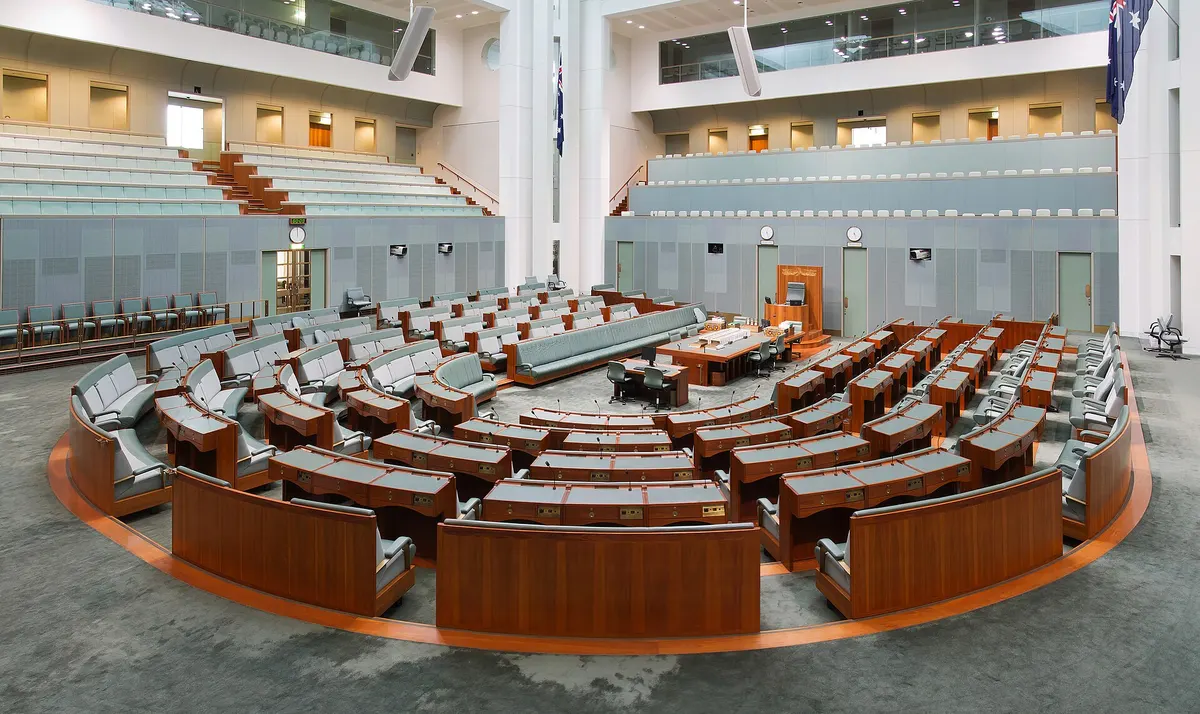
A Labor-chaired parliamentary committee has issued a warning regarding new national security legislation, stating that the laws could have significant human rights implications. The report highlights concerns over the broad powers granted to officials, including the use of lethal force and the detention of civilians.
While the bill has already passed the Senate, the inquiry has sparked a debate between civil liberties advocates and the federal government. Prime Minister Anthony Albanese has rejected the criticism, labelling concerns about the legislation as conspiracy theories.
What happened
The new legislation expands the authority of defence officials to secure designated zones, which can include land, sea, or airspace. Under these laws, officials are empowered to search individuals and their electronic devices, even without the person's consent. If an official has a reasonable suspicion that someone is entering a protected defence zone, they have the authority to detain that person.
Critically, the legislation allows for the use of reasonable and necessary force to prevent serious injury or death, or to prevent a person from fleeing detention. The parliamentary committee found that the threshold for exercising these powers is low and the language used to define them is broad. Furthermore, the report noted that there are no clear requirements for maintaining humane conditions for those detained, such as access to drinking water, appropriate temperatures, or medical care.
The inquiry also scrutinized the minister's ability to issue a capability declaration. This mechanism allows designated individuals to carry out activities that might otherwise violate state or federal laws. Because the minister is not required to notify the public about these declarations, individuals may inadvertently commit an offence without knowing they have entered a restricted area.
Why it matters
The primary concern raised by the committee is that the, "extent of interference with these rights may be significant," particularly regarding the right to life, liberty, privacy, and freedom of movement. Because the laws do not set a maximum period for detention, and because the inspector general can only investigate after an incident has occurred, critics argue there are insufficient safeguards to prevent abuses of power.
For the general public, the lack of transparency regarding declared defence zones poses a practical risk. A person could unknowingly stumble into a restricted area and find themselves subject to search, detention, or the use of force. By failing to mandate humane treatment for detainees, the legislation creates a legal gray area that civil liberties groups argue undermines fundamental democratic protections.
The background
This legislation is part of a broader push to modernize Australia's defence infrastructure and security protocols. The government maintains that these measures are essential to ensure the safety of critical defence institutions. Prime Minister Anthony Albanese defended the bill during question time, stating that the, "legislation is about is simply making sure that our defence institutions and infrastructure are kept safe," and criticized those who suggested the powers could be abused.
What happens next
As the bill has already passed the Senate, it is now law. The parliamentary committee stated that because the legislation is already in effect, it would make no further comments on the specific risks it identified. While the government remains firm in its support of the measures, the report serves as an official record of the potential conflicts between these new security powers and existing international human rights standards.
Key takeaways
- The new legislation allows defence officials to use lethal force and detain civilians based on a reasonable suspicion of trespassing in designated security zones.
- A Labor-chaired parliamentary inquiry warned that the, "extent of interference with these rights may be significant," citing a lack of safeguards and vague definitions of force.
- Prime Minister Anthony Albanese dismissed the findings of the human rights committee, describing criticism of the bill as, "nonsense" and "conspiracy theories" from both sides of politics.
- The laws permit officials to search individuals and their devices without consent and do not specify requirements for humane treatment or maximum detention periods.