
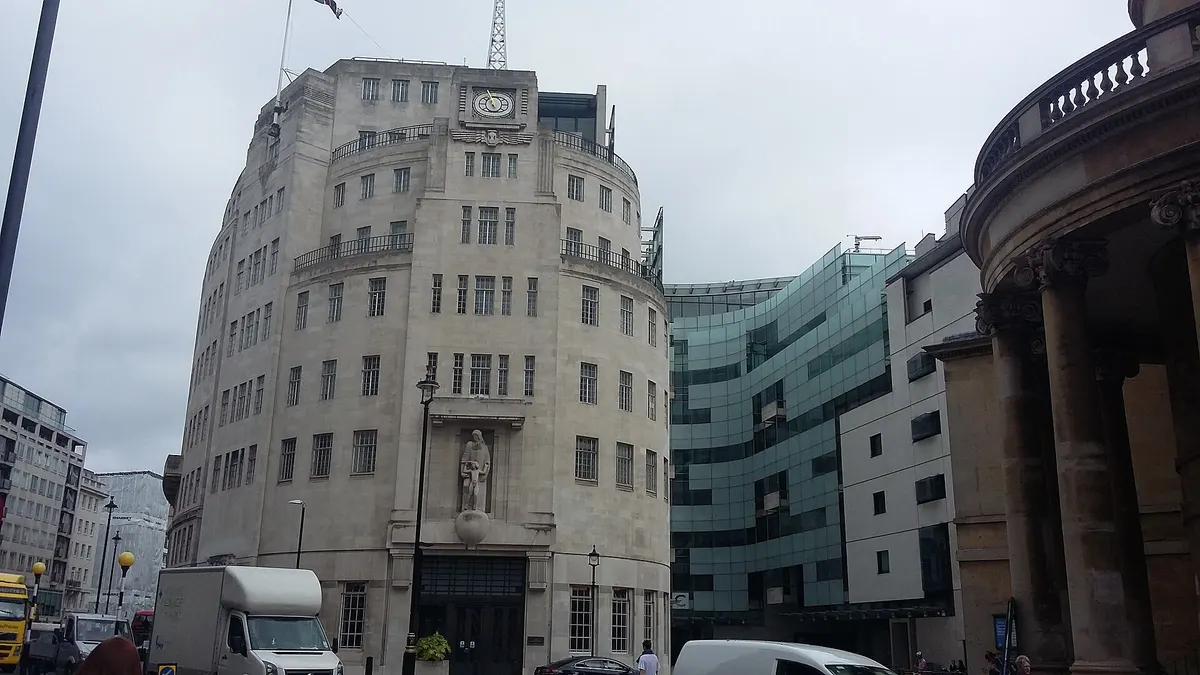
The UK government's independent adviser on antisemitism has launched an official inquiry into the BBC. The move follows allegations from whistleblowers claiming that Jewish staff face a hostile work environment at the public broadcaster.
Lord Mann stated he is examining whether discomfort among Jewish employees is isolated or systemic. The BBC maintains it takes all discrimination claims extremely seriously and has introduced mandatory training for all staff.
What happened
Lord Mann announced the investigation after being told disturbing accounts by BBC staff members who claimed they felt fearful of expressing their concerns internally. Speaking to BBC Radio 4's Today programme, Mann stated that he was entering the probe as a blank sheet of paper with no agenda against the corporation. He guaranteed total anonymity to any current or former employees who contact him with their experiences. The review is focused entirely on the lived experiences of Jewish staff past and present, rather than public broadcasting output. The Board of Deputies of British Jews welcomed the review, calling the experiences of Jewish staff deeply concerning.
Why it matters
The BBC is a prominent national institution funded by the public license fee, and its internal workplace culture is subject to strict charter obligations regarding fairness and inclusivity. If the investigation concludes that institutional discrimination exists, it would represent a severe governance failure for the broadcaster and force major structural reforms. On the other hand, a clean bill of health would reassure the public and staff about the broadcaster's internal standards. The inquiry directly impacts the trust that the Jewish community and the wider British public place in the BBC as an impartial and inclusive employer.
The background
Lord Mann was appointed as the independent adviser on antisemitism by former Prime Minister Theresa May in 2019. His remit includes engaging proactively with the Jewish community and institutions. This inquiry follows several recent public disputes involving the broadcaster and antisemitism concerns. Last month, Oscar-winning producer Lucie Kon revealed she reached a £400,000 settlement with the BBC after raising antisemitism concerns, though the corporation did not uphold her allegations and stated there were shortcomings in how it treated her. In January, the BBC apologised for its use of language during Holocaust Memorial Day coverage, admitting it should have specified that six million Jewish people were murdered by the Nazi regime. Previously, BBC deputy director general Rhodri Talfan Davies told members of the Broadcasting Press Guild that he did not believe there was any systemic issue or institutional discrimination within the corporation.
What happens next
Lord Mann stated that he plans to have his investigation completely finished and reported to both the BBC and the UK government before Easter. He has encouraged any Jewish employees, past and present, to come forward with their accounts. It remains to be seen whether the BBC will fully cooperate with the final recommendations once the report is published.
- The UK government's independent adviser on antisemitism has launched an inquiry into the BBC following whistleblower allegations.
- Lord Mann stated that he aims to complete the investigation and report his findings to the government and the BBC before Easter.
- The BBC maintains that it takes all allegations of discrimination extremely seriously and has introduced compulsory antisemitism training for all staff.
- The Board of Deputies of British Jews welcomed the review into the deeply concerning experiences of Jewish staff at the broadcaster.