
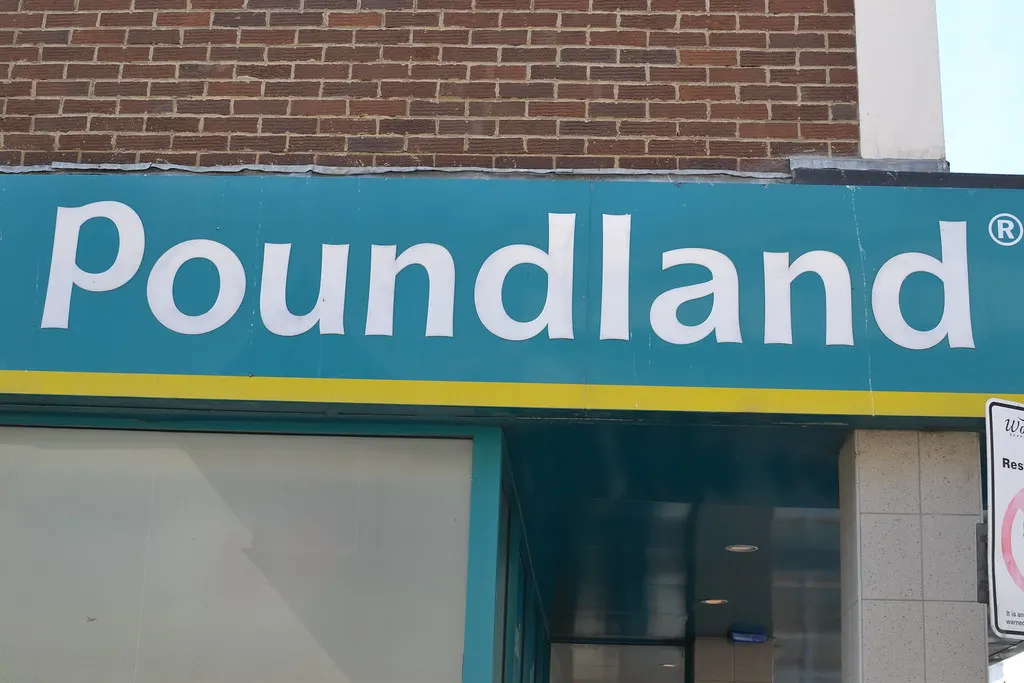
Poundland has collapsed into administration, placing 11,000 jobs at risk and sparking intense debate over the role of its US-based owners, Gordon Brothers. While management and members of Parliament accuse the firm of predatory capitalism and asset stripping, the owners maintain they kept a failing retailer alive far longer than it otherwise would have survived. The situation leaves thousands of workers facing grave uncertainty just a month before Christmas.
The collapse of the discount chain follows months of financial strain and accusations that the owners restricted access to the company's cash. Industry observers now fear a breakup of the business similar to past high-street failures.
What happened
The blame for Poundland's collapse centers on Gordon Brothers, a US-based firm that specializes in distressed commercial situations and bought the discount chain for £1. Since the purchase, the owners have taken nearly £20m out of the business, mostly as interest on an £85m loan they provided to keep the company operating.
Administrators will now have to pay out a further £22.5m to Gordon Brothers as their share of an existing £30m loan from the proceeds of any sale. Management argues that this loan repayment term scared off potential buyers, such as the Martin Property Group and Xyra Holdings, whose upfront offers were either too low or deemed unable to be paid.
Furthermore, executives running Poundland claim the owners restricted access to the company's own cash, preventing them from properly restocking ahead of the crucial Christmas period. Members of the Business Committee accused the US firm of asset stripping and predatory capitalism, prompting calls to haul both management and Gordon Brothers back in front of Parliament.
Gordon Brothers strongly dispute this characterization. They argue that without their £85m injection, Poundland would have collapsed much earlier, in June of the previous year. They maintain that the retailer was not generating enough cash to sustain itself, with sales forecast to be £115m lower than originally predicted, which completely offset a £100m cost-cutting programme. They also point to broader retail pressures, such as rising labour costs, employment taxes, and business rates.
Why it matters
The immediate human cost is severe, with 11,000 jobs at risk just a month before Christmas, when retail staff are traditionally at their busiest and most needed. For local communities, the potential breakup of the company echoes previous high-street busts like Woolworths, BHS, and Wilko.
While some stores may eventually find new owners and rehire experienced local staff, the transition period involves deep uncertainty for workers. The dispute also highlights wider concerns regarding corporate turnaround practices, where distressed asset specialists can profit from loan repayments and fees even when a company ultimately fails.
The background
Poundland is a major UK discount retailer known for selling a wide variety of items at low fixed prices. The company was previously owned by Pepco, which sold the chain to Gordon Brothers for £1 to avoid having its other businesses tangled up in a potential administration.
Gordon Brothers are a restructuring firm that specializes in commercial distress, aiming to structure transactions so that even the worst-case outcomes remain profitable for them through secured loans, interest, and fees.
What happens next
It remains technically possible that a bidder could emerge to save the business as a whole, though most industry observers consider that outcome unlikely. Insolvency specialists suggest the more realistic direction of travel is a breakup of the business and its assets.
Key takeaways
- Poundland has collapsed into administration, putting 11,000 jobs at risk just a month before Christmas.
- US-based owners Gordon Brothers stand to receive a £22.5m loan repayment from the proceeds of any sale.
- Management and MPs have accused the owners of asset stripping and restricting cash access, which Gordon Brothers dispute.
- Industry observers warn that the business is likely to face a breakup rather than a sale as a single entity.