
Ukraine Sinks Advanced Russian Warship in Daring Long-Range Strike Off Libya
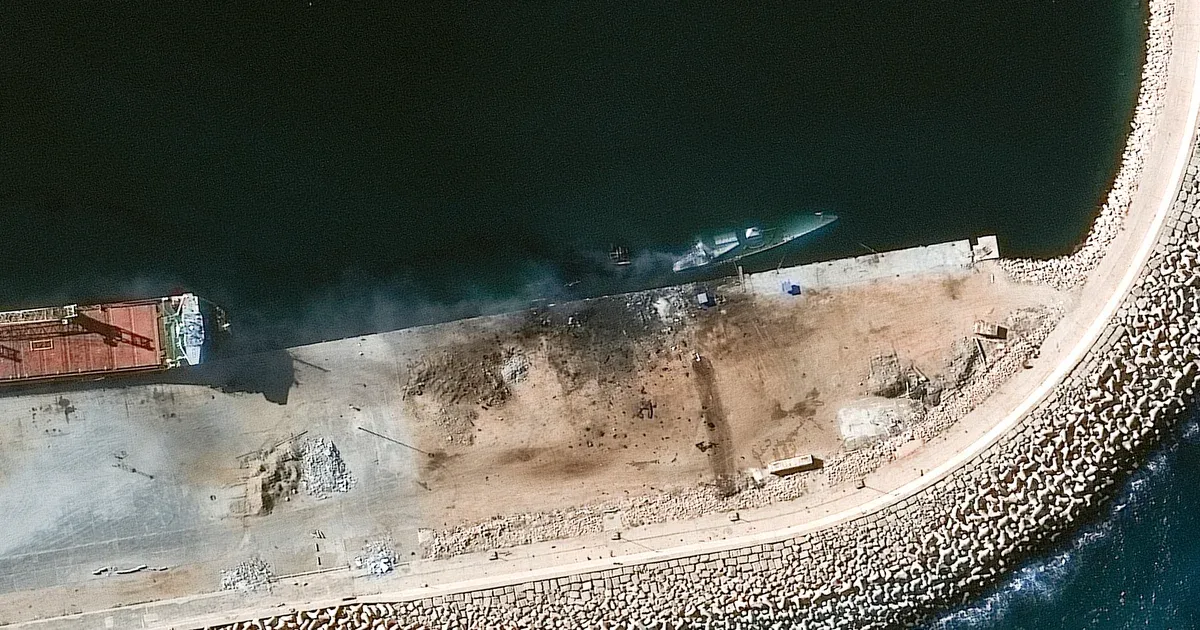
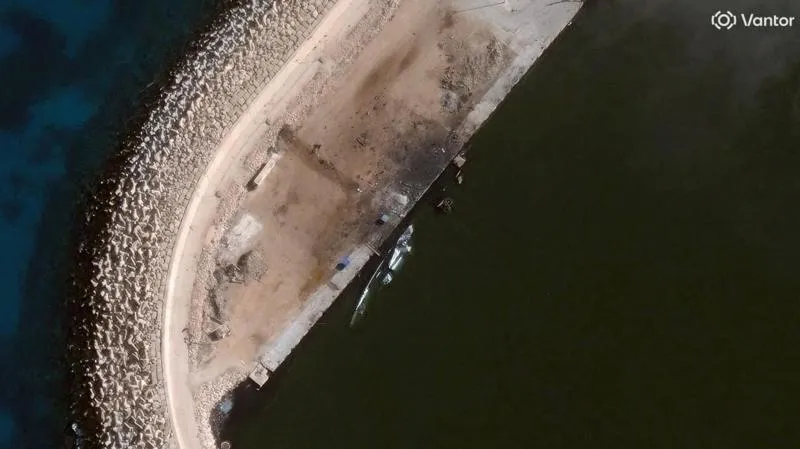
An aerial view of the Benghazi Naval Base showing the aftermath of the Ukrainian drone strike against Russian vessels.
Ukrainian forces deployed seven naval drones launched from a mothership to sink the modern Russian corvette Merkury and strike the cargo ship MV Angara at the Benghazi Naval Base in eastern Libya. The operation, conducted 1,500 miles from the front lines, marks a dramatic expansion of the Russia-Ukraine war into North Africa. The United Nations and local administrations have expressed deep concern over the escalation, which threatens stability in the divided Mediterranean nation.
- WhenSunday
- WhereBenghazi Naval Base, eastern Libya (1,500 miles from the Ukrainian front line)
- WhoUkraine's SBU intelligence agency and armed forces versus the Russian navy
- CasualtiesNot yet reported
- StatusRussian corvette Merkury sunk; dry cargo ship MV Angara struck
Photos
1 photosWhat happened
Ukrainian forces executed a long-range maritime drone strike targeting Russian naval assets anchored at the Benghazi Naval Base in eastern Libya. President Volodymyr Zelenskyy confirmed that the operation successfully sank the Russian corvette Merkury and struck a second vessel, the dry cargo ship MV Angara.
The attack utilized seven domestically produced Ukrainian naval drones deployed from a mothership positioned near the target area. The strikes caused massive explosions and fires at the naval facility, drawing immediate international concern over the widening geographic scope of the ongoing conflict.

Night-time footage capturing explosions and fire at the naval base during the targeted assault.
How it unfolded
The night-time assault caught Russian forces off guard roughly 1,500 miles away from the active front lines in Ukraine. According to security disclosures, the drone swarm was launched from a specialized mothership after being delivered to designated waters.
Despite countermeasures attempted by Russian defenses from the air, sea, and land, the naval drones successfully breached the harbor defenses and struck the targets at their berths. Civil defense units in eastern Libya subsequently rushed to the naval base to extinguish the resulting fires.
What the reports confirm
All available reporting concurs that Ukraine carried out the drone operation off the coast of Libya on Sunday, utilizing seven domestically built naval drones to destroy the corvette Merkury and hit the MV Angara. Reports also align on the distance of the strike—approximately 1,500 miles from Ukraine—and the involvement of Ukraine's SBU security service.
Minor discrepancies exist regarding additional equipment losses; Report A specifies that a Ka-27 military helicopter was also destroyed in the raid, a detail omitted by other accounts. Furthermore, reports differ in their sourcing regarding the Merkury's exact purpose in port, with analysts noting it had stopped over to refuel and resupply under a bilateral cooperation agreement.
The people involved
Ukrainian President Volodymyr Zelenskyy championed the operation as an exemplary response to Russian aggression, praising the Security Service of Ukraine (SBU) and participating defense forces. On the opposing side, Russian leadership faced a significant blow to a prominent vessel whose commissioning had previously been championed by President Vladimir Putin.
Locally, eastern Libya is controlled by the self-styled field marshal Khalifa Haftar, whose administration maintains cooperative ties with Moscow. Meanwhile, the U.N.-supported government based in Tripoli condemned foreign military operations on Libyan territory.
Why it matters
This operation demonstrates that Russian naval forces and logistical supply chains have no safe harbors, even far beyond the Black Sea. By projecting power into the Mediterranean and North Africa, Ukraine has challenged the security of Russian shadow fleets and military transit routes used to circumvent international sanctions.
For Libya, the strike risks turning the war-torn, divided nation into an active proxy battlefield for foreign conflicts, threatening local stability and commercial maritime security.
The background
Libya has remained partitioned since the 2011 NATO-backed uprising that toppled longtime dictator Muammar Qaddafi, resulting in a rival administration in the east and a U.N.-supported government in the west. In recent years, Russia has utilized eastern Libya as a strategic staging post for its military presence in North Africa and the Sahel.
Ukraine has increasingly demonstrated its prowess in asymmetric warfare, particularly through the development of domestically produced naval drones that have repeatedly embarrassed the Russian navy in the Black Sea and beyond.
Response and aftermath
The Kremlin deferred immediate technical commentary on the Libyan strikes to its defense ministry, though Kremlin spokesman Dmitry Peskov condemned a separate suspected Ukrainian drone strike in the Gulf of Finland as a dangerous escalation of terrorist activity.
The United Nations Support Mission in Libya (UNSMIL) expressed serious concern over the attack, calling for an immediate, independent, and transparent investigation to prevent Libya from becoming a theater for foreign wars.
What happens next
International observers and regional authorities are bracing for potential Russian retaliation, as well as a response from the Haftar family and eastern Libyan authorities. The global shipping community is also monitoring the situation closely to determine if strikes on military vessels in nominally neutral harbors set a dangerous precedent for international maritime commerce.
What we still don't know
Specific casualty figures and the operational status of the crews aboard the Merkury and the MV Angara have not been officially reported. Additionally, the precise identity and positioning of the mothership utilized to launch the drone swarm remain undisclosed.
Want more on this story? Our research assistant searches the latest reports across the web and explains what it finds, so you get the fuller picture in one place.