
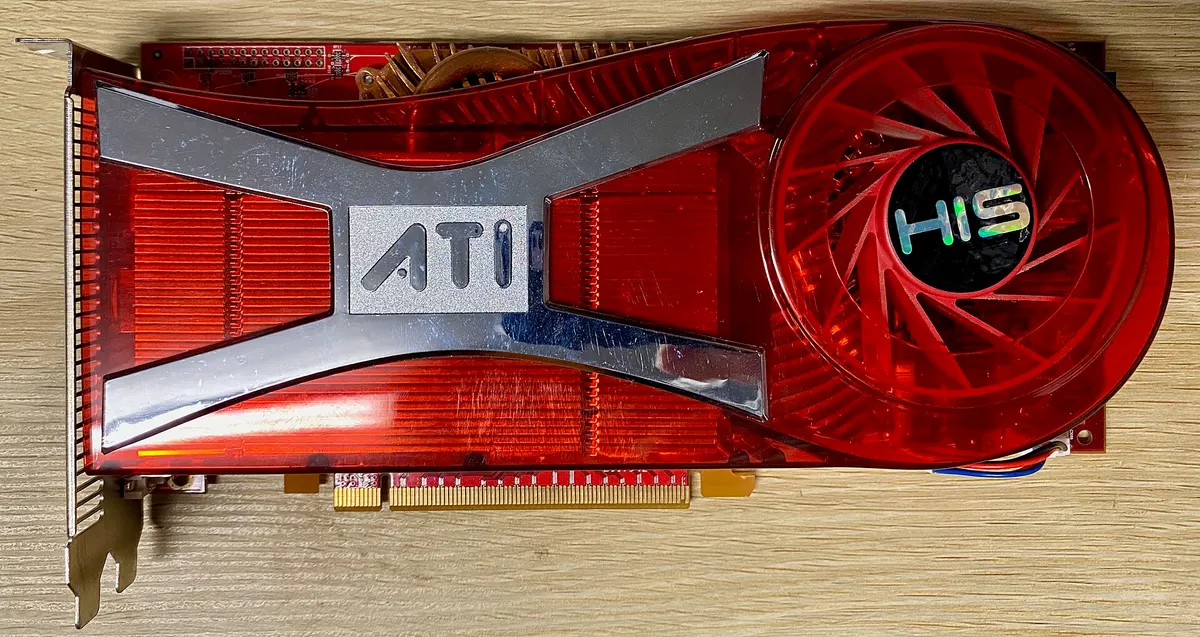
A YouTube creator known as Budget-Builds Official has managed to run Grand Theft Auto V on a 2007 ATI Radeon HD 2350 graphics card, a component equipped with a mere 64MB of video memory. Through extensive configuration edits, a switch to an older operating system, and hardware overclocking, the creator pushed performance from an initial 1 FPS up to a range of 13 to 20 frames per second, allowing them to complete the game's prologue and first mission.
The feat is remarkable because the chosen graphics card possesses just one-sixteenth of the video memory specified in the game's original minimum requirements. While the result looks similar to a PlayStation 2 title and requires severe visual compromises, it demonstrates the absolute limits of running modern blockbusters on obsolete hardware.
What happened
The project began by attempting to launch Grand Theft Auto V on the ATI Radeon HD 2350 using a Windows 10 system equipped with Catalyst 13.1 drivers. After a ten-minute start screen freeze caused by the game expecting a different previous card, deleting old settings allowed the software to boot, achieving an unplayable rate of 1 inch-worm frame per second.
To improve performance, the creator applied a configuration file from a previous experiment involving 256MB of memory, stripping out shadows and reflections while dropping the resolution to roughly 240p. Lowering level-of-detail values pushed performance to 10 FPS. Seeking further gains, the tester downgraded the operating system to Windows 8, utilized Catalyst 12.6 drivers, and installed an older build of the game.
Because Windows 8 exposed overclocking features unavailable in the newer operating system, the creator strapped an extra fan onto the graphics card. Using software called MSI Afterburner, they pushed the GPU core clock from 400MHz to 520MHz. Further engine-file edits and level-of-detail adjustments via a tool called OpenIV finally brought gameplay into a functional 13 to 20 FPS window, though the game suffered from missing textures, floating non-player characters, and invisible cars that crashed the software if too many loaded at once.
Why it matters
This experiment stretches the boundaries of PC hardware tinkering and hardware longevity. As PC components become increasingly expensive, tests like this explore the theoretical limits of legacy hardware.
However, the compromises required to achieve functionality mean this is not a practical way to enjoy modern video games. With side characters lacking basic textures, police officers hovering invisibly, and core assets failing to render, the game becomes a bizarre, broken shell of itself.
The background
Grand Theft Auto V is a massive open-world action-adventure game originally released by Rockstar Games in 2013 for seventh-generation consoles before coming to PC. Over the years, the game has received numerous updates and enhanced versions, with minimum PC requirements steadily climbing. The original PC release listed cards like the Nvidia 9800 GT or AMD HD 4870 with 1GB of VRAM as minimum requirements, while newer versions demand significantly more.
The ATI Radeon HD 2350 used in this experiment debuted back in 2007, featuring 40 shaders and 64MB of DDR2 dedicated video memory. The creator behind Budget-Builds Official has a history of extreme hardware challenges, having previously run demanding software on minimal resources such as 8MB of VRAM.
What happens next
The creator behind the experiment concluded that this specific setup represents the absolute hardware floor for Grand Theft Auto V. Going any lower in terms of memory or graphical capability would reportedly require a complete structural reimagining of the game code itself.
Key takeaways
- A YouTube channel successfully booted and played Grand Theft Auto V on a 2007 ATI Radeon HD 2350 graphics card featuring only 64MB of VRAM.
- The hardware used possesses just one-sixteenth of the video memory specified in the game's original minimum system requirements.
- Extensive tweaks including a downgrade to Windows 8, a physical extra cooling fan, and a core clock overclock pushed frame rates from 1 FPS to a range of 13 to 20 FPS.
- Severe visual bugs accompanied the run, including missing car assets, unrendered textures, and out-of-memory errors that caused crashes if too many entities loaded on screen.