
Trump Warns Iran of Renewed Strikes as Midterm Fallout Shakes Washington
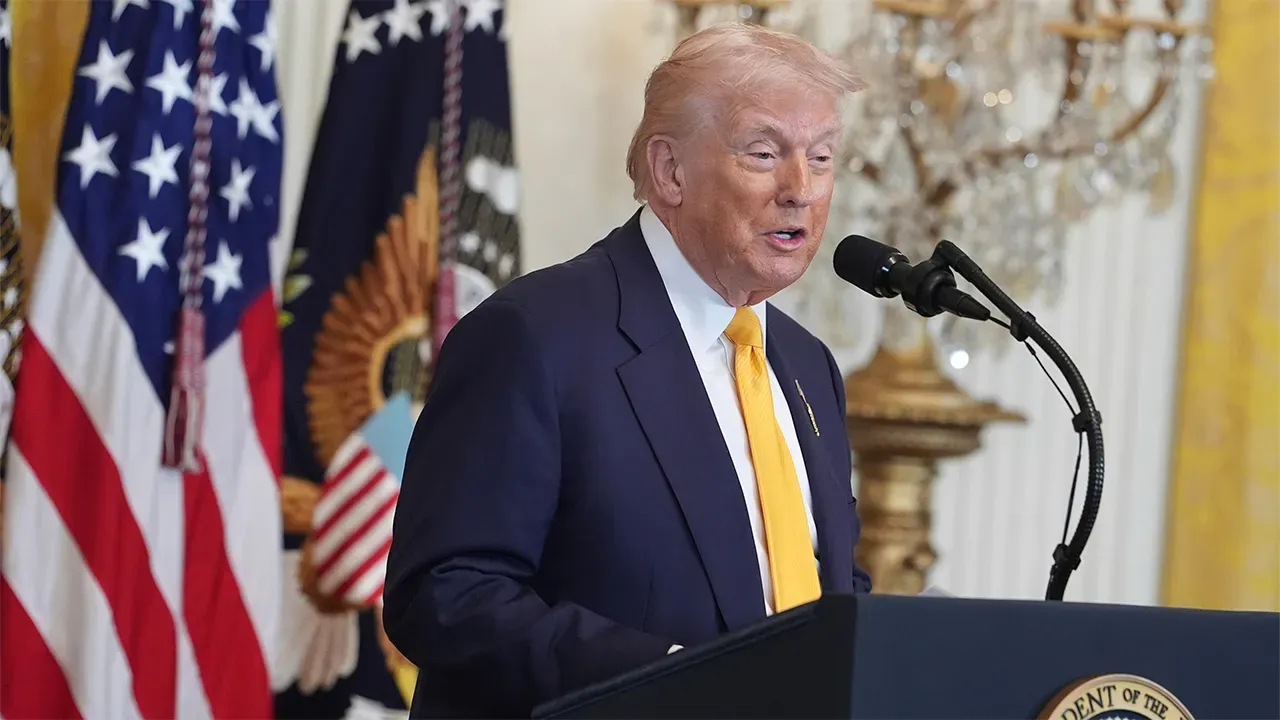
President Donald Trump speaking at a podium framed by American flags.
President Donald Trump stated that Iran has launched a record number of drones and missiles over the past week, all of which were intercepted by U.S. forces without damage. Writing on social media following pivotal midterm election results that handed Democrats control of Congress, Trump warned that he may resume military strikes after the new year if diplomatic talks fail. Meanwhile, political fallout continues to mount in Washington over the economic impacts and ongoing costs of the conflict.
- WhenSunday, late November 2026
- WhereUnited States, Iran, Strait of Hormuz, and U.S. military bases in Bahrain
- WhoPresident Donald Trump, U.S. military forces, and Iranian leadership
- Casualties81,000 protesters killed according to presidential statements; zero damage reported from recent intercepted drone and missile strikes
- StatusStalled Qatari-mediated negotiations with potential resumption of U.S. strikes after the new year
Photos
11 photosWhat happened
President Donald Trump issued a series of statements regarding the ongoing conflict with Iran, highlighting an intensified wave of aerial attacks against U.S. positions. According to the president, the Islamic Republic of Iran launched more missiles and drones over the preceding week than at any point in over a year.
Despite the surge in hostility, Trump assured the public that U.S. defense systems successfully intercepted every incoming projectile, resulting in zero structural damage or casualties. The remarks followed a turbulent period of domestic political shifts tied directly to voter frustration over the war and rising fuel costs.
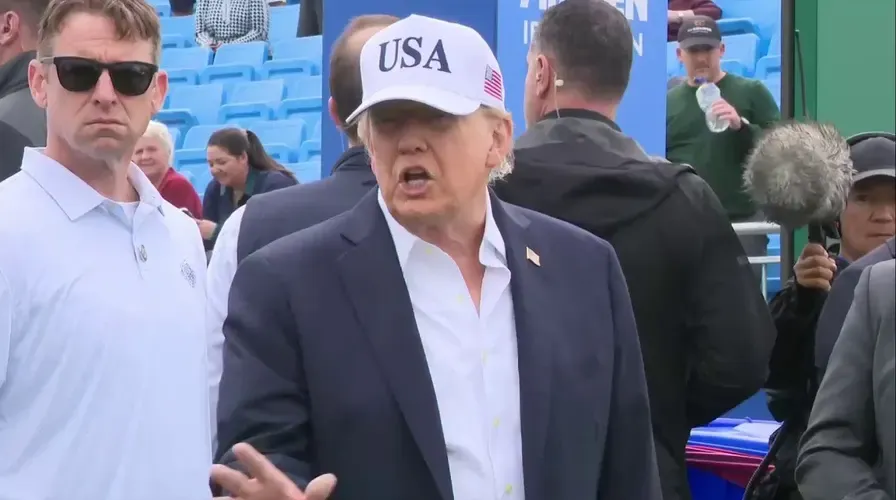
President Donald Trump addressing supporters while wearing a 'USA' cap.
How it unfolded
The diplomatic and military tensions escalated concurrently with the aftermath of the November 3 midterm elections, which saw Democrats secure control of both chambers of Congress. On Sunday afternoon, Democrats expanded their legislative standing when Chuck Hubbard defeated Representative Virginia Foxx of North Carolina, marking a historic majority in the lower chamber not seen since the 1990s.
Hours after the election update, Trump took to social media to connect the electoral outcome and economic fluctuations to Iranian aggression. He asserted that both Democratic opponents and Iranian leaders had deliberately sustained high oil prices leading up to the vote, noting that crude prices have since experienced a record decline.
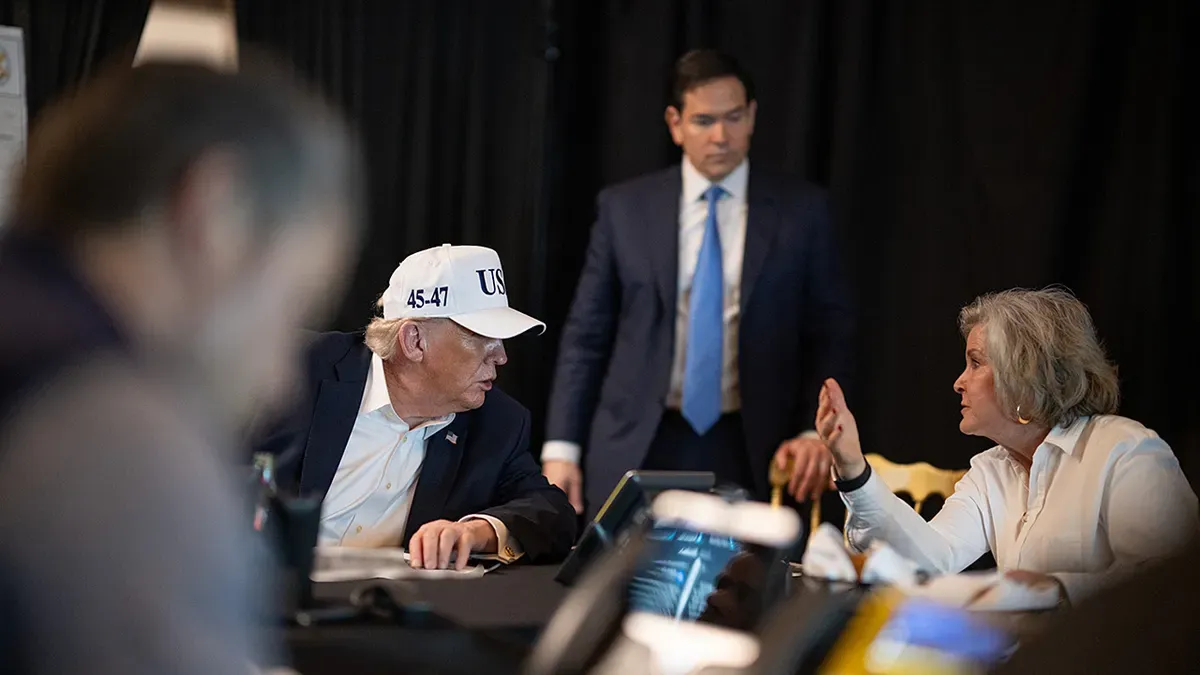
President Donald Trump conferring with advisors during an official briefing session.
What the reports confirm
Both reports confirm that Trump stated Iran launched an unprecedented number of drones and missiles over the past week, all of which were intercepted by U.S. forces without causing damage. The accounts also align on Trump's assertions regarding the death toll of protesters in Iran, pegged at more than 81,000, and his warnings that Iranian vessels attempting to test the U.S. naval blockade in the Strait of Hormuz would be sent to the bottom of the sea.
However, the reports diverge on specific legislative and military details. Report A highlights a November 19 Senate vote where lawmakers rejected a war powers resolution 51-48, preserving presidential military authority. Report B introduces details regarding attacks on U.S. military bases in Bahrain—which U.S. Central Command stated caused no damage—and notes that Qatari-mediated negotiations remain stalled.
The people involved
President Donald Trump remains at the center of both the diplomatic posturing and the domestic political debate, balancing military oversight with fallout from the legislative elections. Vice President JD Vance previously faced internal administration friction after blaming the Iran war for midterm losses, prompting clarifications regarding his role.
On Capitol Hill, incoming congressional leadership is positioning itself for legislative battles over executive authority. Representative Hakeem Jeffries of New York, expected to serve as speaker of the House in the upcoming 2027 session, emphasized the urgent public demand for federal action on domestic economic affordability, healthcare, and immigration.
Why it matters
The intersection of foreign conflict and domestic economics has fundamentally altered the American political landscape, granting Democrats expanded majorities in Congress on a platform critical of the ongoing hostilities. The persistence of military engagements in the Middle East directly influences domestic fuel costs, inflation, and public sentiment toward executive leadership.
Furthermore, the standoff in strategic shipping lanes like the Strait of Hormuz poses immediate risks to global oil supplies and international trade security. With diplomatic channels currently frozen, the potential for a renewed campaign of U.S. airstrikes threatens to deepen geopolitical instability.
The background
The current confrontation follows a trajectory of escalating friction between Washington and Tehran, marked by naval blockades, regional proxy clashes, and economic sanctions. Tensions have consistently spilled over into domestic American politics, becoming a central point of contention during the 2026 midterm cycle.
Diplomatic efforts to de-escalate the conflict have largely relied on international intermediaries, notably Qatar, though these talks have repeatedly stumbled amid mutual mistrust and hardline posturing from both governments. Meanwhile, congressional scrutiny over executive war powers has intensified as lawmakers attempt to assert greater oversight on military deployments.
Response and aftermath
In response to the recent wave of aerial assaults, U.S. defensive networks in the region successfully neutralized all incoming threats. U.S. Central Command formally pushed back against unverified claims regarding damage sustained at installations in Bahrain.
Politically, the aftermath of the midterms has triggered intense debate within Washington regarding legislative priorities. While the administration points to falling post-election oil prices as vindication of its broader economic narrative, opposition lawmakers argue that prolonged military entanglements have undermined national stability and consumer confidence.
What happens next
President Trump indicated that he is prepared to resume direct military strikes against Iranian targets after the new year if diplomatic channels fail to yield a comprehensive agreement. The administration continues to monitor Iranian naval movements near the Strait of Hormuz.
On the legislative front, the newly empowered Democratic majority in the House prepares to convene in 2027, where leadership has vowed to center its agenda on domestic affordability and healthcare while maintaining skepticism toward executive war management.
What we still don't know
It remains unreported whether formal diplomatic channels through Qatari mediators will restart before the president's self-imposed new year deadline for military action. Specific tactical details regarding the origin points of the latest barrage of drones and missiles have not been fully disclosed.
Want more on this story? Our research assistant searches the latest reports across the web and explains what it finds, so you get the fuller picture in one place.