
Top-Ten FBI Fugitive 'Chapo Isidro' Captured in Mexican Special Forces Raid
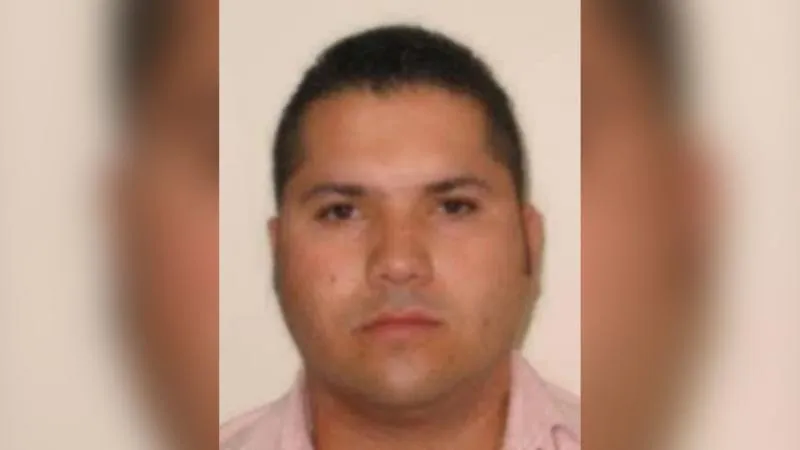
An official file photo of Fausto Isidro Meza Flores, also known as 'Chapo Isidro'.
Mexican special forces have captured high-profile drug lord Fausto Isidro Meza Flores, known as 'Chapo Isidro', in a raid in Guasave, Sinaloa. The Friday operation led to a deadly shootout resulting in the deaths of seven suspects and four soldiers. The arrest marks a major victory for Mexican authorities under mounting pressure from the United States to curb cross-border drug trafficking.
- TargetFausto Isidro Meza Flores (Chapo Isidro)
- LocationGuasave, Sinaloa, Mexico
- Casualties7 suspects and 4 Mexican army soldiers killed
- StatusDetained, facing US extradition
Photos
2 photosWhat happened
Fausto Isidro Meza Flores, a prominent Mexican drug lord listed on the FBI's 10 most wanted list, was arrested following a fierce shoot-out with Mexican authorities. The operation took place on Friday in Guasave, located in the Mexican state of Sinaloa, and was executed by Mexican special forces using US intelligence.
The raid resulted in substantial casualties. According to the country's defence secretariat, seven suspects were killed during the operation alongside four members of the Mexican army who were traveling to reinforce security in the area. Authorities also seized multiple weapons, including a grenade launcher, as well as a quantity of drugs and cash.
Following the arrest, the United States Consulate General in the city of Hermosillo reported monitoring ongoing security incidents, including armed clashes, vehicle fires, and road blockades overnight across Ahome, Guamúchil, Guasave, and Navolato. Officials advised residents to shelter in place and remain alert to potential violence.
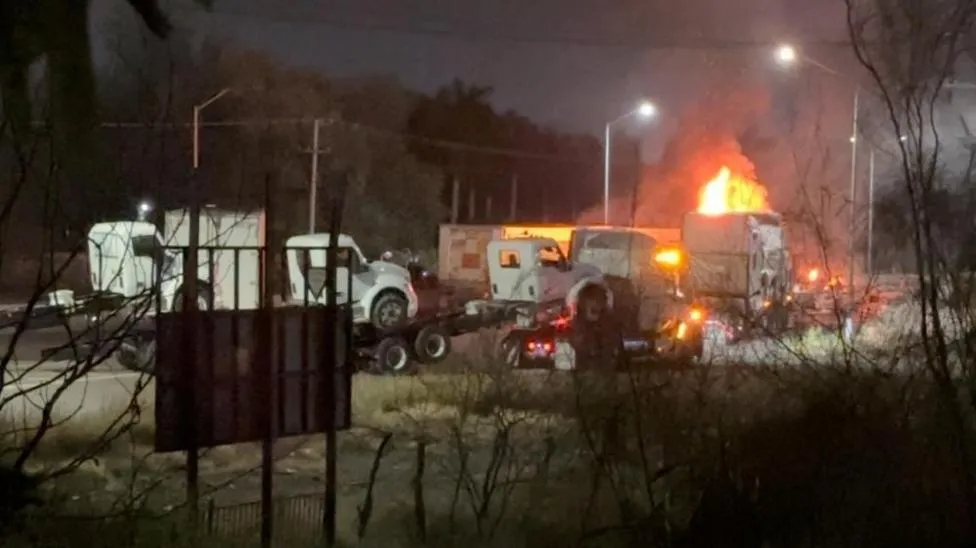
Vehicles burn on a road in Sinaloa amid security operations following the arrest.
How it unfolded
Utilizing intelligence provided by the United States regarding his whereabouts, Mexican special forces deployed stealth and surprise to close in on Meza Flores' location. Troops established a perimeter around the property to prevent both the fugitive from escaping and reinforcements from arriving.
Before special forces could enter the property, they came under heavy attack from gunfire and explosives. Online videos reportedly captured helicopters firing streams of bullets toward the ground in Guasave, while footage from a nearby baseball stadium showed citizens fleeing amid the sounds of gunfire.
In total, eight people were detained during the operation. While Meza Flores, his cousin who served as his second-in-command, and his brother-in-law who acted as the group's financial operator were flown immediately to Mexico City to face prosecution, the remaining five detainees stayed in Sinaloa.
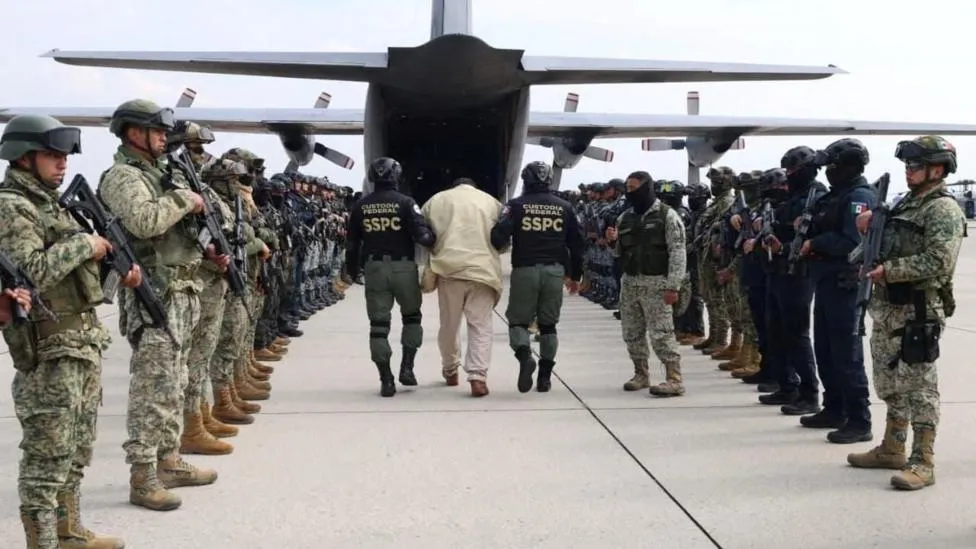
Security forces assemble next to an aircraft during the transfer of detainees.
The people involved
The central figure of the operation is 44-year-old Fausto Isidro Meza Flores, also known as 'Chapo Isidro'. Described by the FBI as flooding the United States with fentanyl, cocaine, heroin, and methamphetamine, he was added to the FBI's 10 most wanted list in 2025 following accusations of heinous crimes such as kidnapping, extortion, and torture.
Meza Flores originally rose through the ranks of the Beltrán Leyva Organization. Following an internal split that sparked a surge of violence, he established his own criminal enterprise by 2013, known variously as the Meza Flores Organisation or the Guasave Cartel. He managed to evade law enforcement for decades by maintaining a relatively low profile.
The operation also resulted in the capture of key syndicate members, including his cousin and second-in-command, and his brother-in-law, the organization's financial manager.
Why it matters
The high-profile arrest addresses intense international pressure from the United States, where President Donald Trump has made halting the flow of illicit drugs across the southern border a central pillar of his administration. The US government has long sought Meza Flores' extradition, initially charging him with drug trafficking in 2012 and again in 2019.
For Mexico, the raid reflects President Claudia Sheinbaum's dual strategy of taking a stricter domestic stance against powerful cartels while resisting direct military intervention by foreign boots on the ground. Mexico has welcomed intelligence sharing and closer collaboration with Washington, but remains fiercely protective of its national sovereignty.
Locally, the operation underscores the ongoing peril faced by security forces and civilians in cartel hotspots. The violent clashes and subsequent security lockdowns in Sinaloa demonstrate the immediate risks of destabilization that follow the capture of major cartel leaders.
The background
Drug trafficking in Mexico's Sinaloa region has historically been dominated by powerful gangs, including the Sinaloa Cartel. Meza Flores' organization engaged in a bitter, extremely violent turf war with the Sinaloa Cartel for regional dominance.
Mexican authorities reportedly linked Meza Flores' cartel to a massive seizure of 20 million fentanyl pills in 2024, prompting his inclusion on the FBI's most-wanted roster. US officials previously noted that his organization operated as a major conduit for smuggling deadly synthetic opioids and narcotics into the United States.
The raid occurs amid broader Mexican efforts to crack down on high-level cartel figures, following a series of high-profile arrests and extraditions of notorious cartel leaders to American federal prisons.
What happens next
Meza Flores, along with his cousin and brother-in-law, has been transferred to Mexico City, where they will face domestic prosecution and legal proceedings regarding their extradition to the United States.
Meanwhile, security forces in Sinaloa and surrounding municipalities remain on high alert. Law enforcement agencies are monitoring potential retaliatory violence or power struggles within the Guasave Cartel following the decapitation of its leadership structure.
What we still don't know
Reports have not yet specified the exact identities of the seven suspects and four soldiers killed during the initial shoot-out. Additionally, it remains unclear how quickly Mexican courts will process the US extradition request or whether the remaining five detainees in Sinaloa will face local or federal charges.
Want more on this story? Our research assistant searches the latest reports across the web and explains what it finds, so you get the fuller picture in one place.