
New UN Data Reveals Global Crisis in Marital Consent and Legal Protections
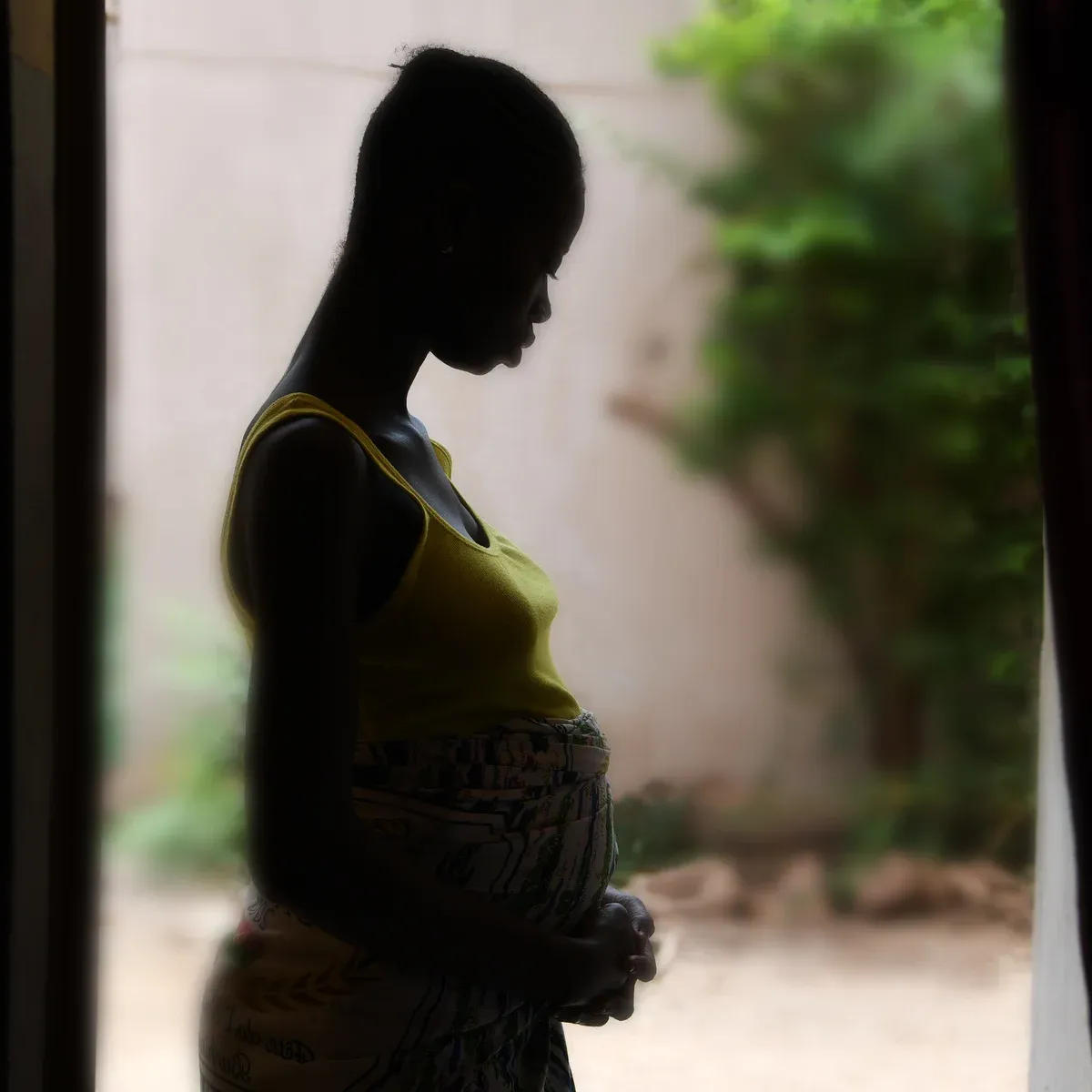
A young woman stands near a doorway, highlighting the vulnerability faced by adolescent girls and young wives trapped in environments lacking legal protections for consent.
A newly published report by the United Nations Population Fund reveals that one in four women worldwide cannot refuse sexual demands from their partners, with rates soaring to nearly half in west and central Africa. Adolescent girls aged 15 to 19 face the most severe lack of autonomy, compounded by legal loopholes and exemptions for marital rape across multiple jurisdictions. Human rights advocates emphasize that deep-seated cultural norms, traditional bride price customs, and inadequate legal frameworks continue to strip young women and girls of basic bodily autonomy.
- Published byUnited Nations Population Fund (UNFPA)
- Global Impact1 in 4 women lack power of consent
- Regional High45% in west and central Africa
- Ages Most Affected15 to 19 years old
- Key Legal InstrumentMaputo Protocol of 2003
What happened
A report published on Thursday by the United Nations Population Fund (UNFPA) revealed that one in four women globally lack the power to withhold sexual consent when demanded by a husband or partner. The crisis is acutely concentrated in west and central Africa, where 45% of women are unable to refuse sex in their own marriages.
Across east and southern Africa, as well as in Arab states, 33% of women face the same predicament. In Latin America and the Caribbean, the figure stands at one in 10 women. The findings underscore a pervasive global shortfall in women's bodily autonomy within domestic partnerships.
How it unfolded
The report's analysis incorporated comparable data from eight nations: Angola, the Democratic Republic of the Congo, Kazakhstan, Malawi, Mali, Nigeria, Tajikistan, and Zambia. Researchers cross-referenced generational vulnerabilities and found that younger women and girls aged 15 to 19 possess significantly less power to say no than older women aged 45 to 49.
This generational disparity directly mirrors broader research indicating that adolescent girls endure exceptionally high rates of intimate partner violence. Human rights advocates point out that these statistics are exacerbated by legal frameworks that fail to recognize or penalize non-consensual sexual activity within marriages.
The people involved
Jean-Paul Murunga, a lawyer with the global human rights organization Equality Now, noted that the figures are particularly distressing given Africa's adoption of the Maputo Protocol, which sets binding legal standards for gender equality. He emphasized that marriage does not create perpetual or implied consent.
Alimatu Dimonekene, founder of A Girl At A Time—an organization supporting adolescent girls in Sierra Leone—pointed out that conversations regarding marital consent have barely begun in many regions. She explained that societal pressures often compel women to internalize guilt, make excuses, or blame themselves rather than define forced marital encounters as rape.
Why it matters
The intersection of permissive child marriage laws and exemptions for marital rape leaves young wives virtually unprotected against sexual violence and exploitation. In several African jurisdictions, husbands are explicitly exempted from prosecution for marital rape. Seven countries, including Côte d’Ivoire, Ethiopia, and South Sudan, maintain explicit exemptions.
Furthermore, countries like Tanzania and Eritrea only criminalize marital rape if the couple does not live together. In places like Gabon, legal loopholes allow a man who has married an abducted child to evade prosecution unless the marriage is first annulled.
The background
Underpinning these legislative gaps is the widespread misconception that marital rape is a legal impossibility, sustained by the assumption that wives permanently consent upon marrying. Religious beliefs and traditional practices heavily reinforce these notions. In parts of west Africa, traditional bride price customs—where a groom pays money, livestock, or goods to the bride's family—foster the view that a husband acquires ownership over his wife.
Countering this, the Maputo Protocol—a landmark treaty adopted by the African Union in 2003—guarantees women’s rights, obligates states to protect women from violence, affirms that marriage must be based on full consent, and protects the right to health.
What we still don't know
The reports do not specify global totals outside the regional breakdowns provided, nor do they detail the precise legislative timelines for reform in every country cited. Additionally, comprehensive data regarding the full extent of underreported marital violence in many of the analyzed nations remains unquantified.
Want more on this story? Our research assistant searches the latest reports across the web and explains what it finds, so you get the fuller picture in one place.