
Missouri Judge Approves Massive $7.25 Billion Roundup Settlement
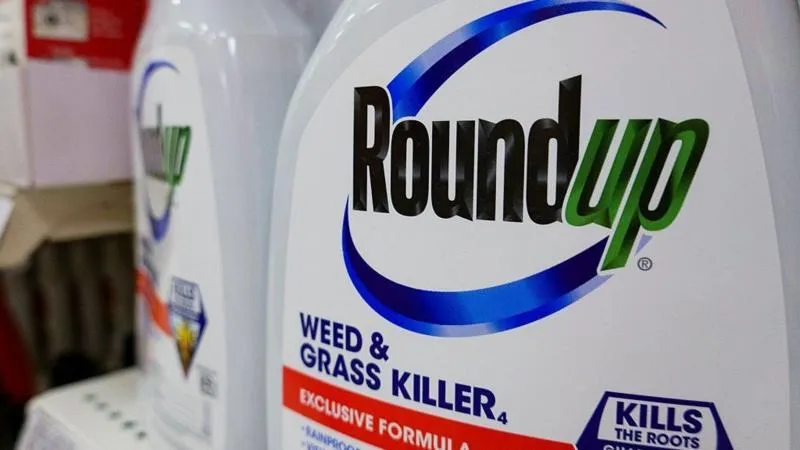
Bottles of Roundup weed and grass killer displayed on a retail shelf.
A Missouri judge has approved a $7.25 billion nationwide settlement to resolve long-standing US lawsuits alleging that Bayer's weedkiller Roundup causes cancer. The agreement provides guaranteed compensation over a period of up to 21 years for users diagnosed with non-Hodgkin lymphoma. While Bayer continues to deny that its product causes cancer, the settlement aims to bring closure to a decade of costly litigation.
- CompanyBayer
- Settlement Amount$7.25 billion
- Affected ConditionNon-Hodgkin lymphoma
- Payment TimelineAnnual payments for up to 21 years
- Individual Payouts$10,000 to $165,000
What happened
A judge in Missouri has given final approval to a $7.25bn (£5.5bn) settlement designed to resolve sweeping US litigation over claims that the weedkiller Roundup causes cancer. Judge Timothy Boyer formally approved the agreement, describing the terms as 'fair, reasonable, and adequate' after reviewing objections from some attorneys who felt the funds were insufficient.
Under the nationwide agreement, compensation will be distributed to Roundup users who are already suffering from non-Hodgkin lymphoma, as well as those who may contract the illness in the future. Payouts for individual participants will range between $10,000 and $165,000, determined by factors such as the frequency of product usage, the severity of the illness, and the date of diagnosis.
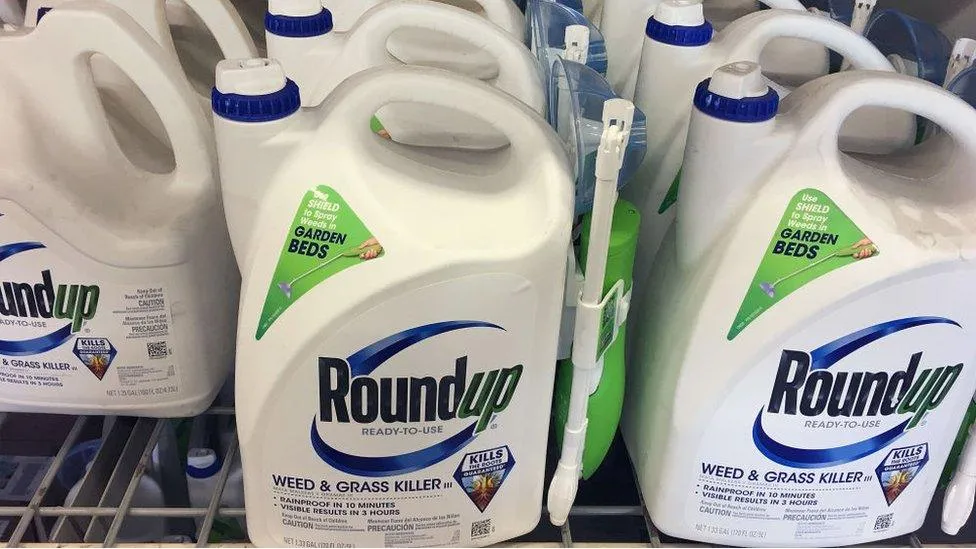
Ready-to-use containers of Roundup weedkiller.
How it unfolded
The massive settlement is the latest chapter in years of extensive legal battles faced by the German bio-tech giant Bayer. The company previously paid roughly $10bn to address separate litigation related to the popular herbicide. Under the newly approved structure, Bayer will fund the settlement through annual payments stretching for up to 21 years.
While some legal representatives argued against the adequacy of the settlement amounts, Judge Boyer emphasized that he wanted to prevent any further delays in delivering compensation to victims who have sought resolution for over a decade. Christopher Seeger, court-appointed counsel for cancer patients, noted that the final approval order delivers guaranteed compensation to individuals who have waited a very long time for justice.
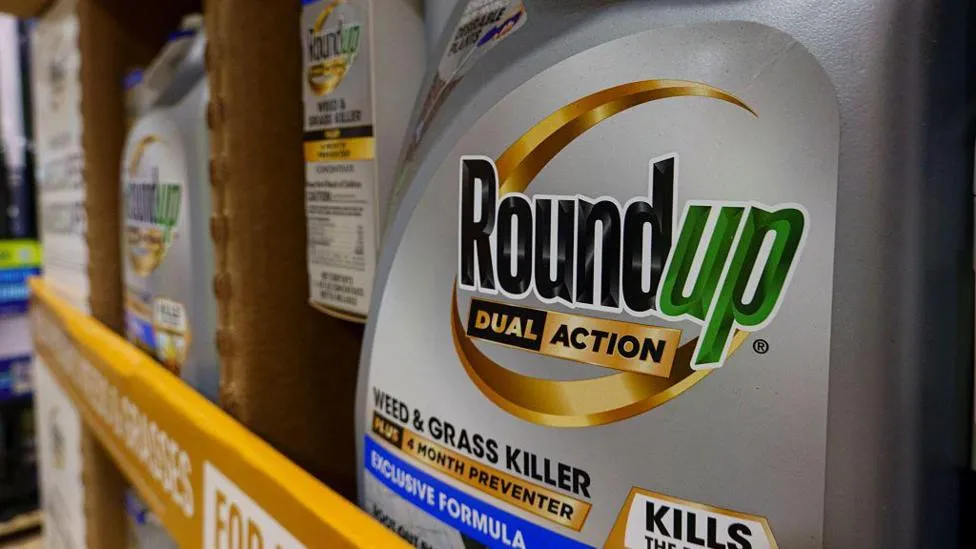
The background
Roundup was originally developed during the 1970s by Monsanto, an agrochemical and agricultural biotechnology corporation later acquired by Bayer. The core controversy centers around glyphosate, the product's active chemical ingredient. In 2015, the International Agency for Research on Cancer—a specialized unit of the World Health Organization—classified glyphosate as a probable human carcinogen.
This classification sparked thousands of claims in US state and federal courts from individuals alleging they developed cancer after using the herbicide. Juries in multiple states previously opted to award billions of dollars to plaintiffs. However, regulatory bodies such as the US Environmental Protection Agency, along with Bayer itself, have consistently disputed the findings linking the product to cancer. The legal landscape also shifted following a Supreme Court ruling in June, where justices voted 7-2 to overturn a $1.25m settlement for a Missouri man, ruling that federal regulations do not mandate a cancer warning label and shielding Bayer from certain state court lawsuits.
Why it matters
The settlement marks a pivotal turning point for thousands of Americans affected by non-Hodgkin lymphoma after years of occupational or residential herbicide use. For patients, the agreement provides a structured pathway to financial recovery without enduring prolonged individual court battles. For Bayer, the arrangement represents a calculated effort to cap and manage its immense legal liabilities in the United States, even as the company maintains its denial of liability.
What we still don't know
Despite the court's final approval, specific operational details regarding the administration of the multi-billion-dollar fund have not been fully outlined beyond the 21-year payment window. It remains to be seen how future claimants will be evaluated as new diagnoses emerge over the coming decades, and how the recent Supreme Court preemption ruling will influence remaining or prospective legal challenges.
Want more on this story? Our research assistant searches the latest reports across the web and explains what it finds, so you get the fuller picture in one place.