
Inside the Viral 'Shape of Netanyahu' Pop Parody Trend on Social Media
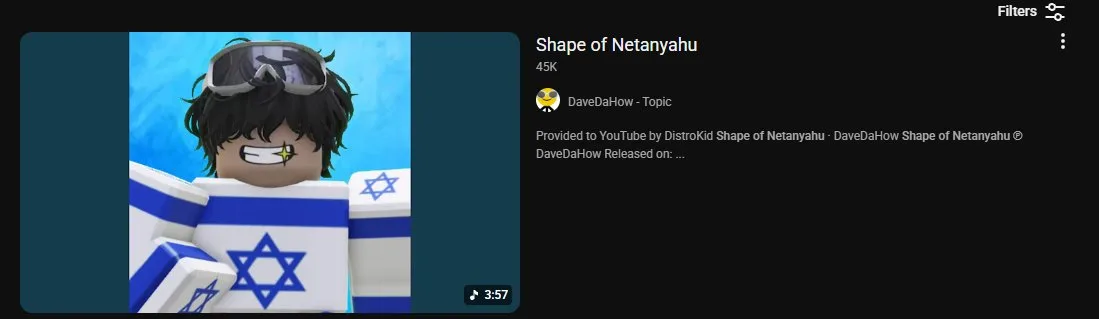
A screen capture of a YouTube video page displaying the title 'Shape of Netanyahu' on the 'DaveDaHow - Topic' channel.
A satirical parody track titled 'Shape of Netanyahu' has emerged across digital platforms, utilizing the melody of Ed Sheeran's 2017 hit 'Shape of You' to comment on the Israeli Prime Minister. The audio has circulated widely through short-form social media clips, reflecting a broader trend of meme-driven political discourse. While specific upload details point to channels like 'DaveDaHow - Topic', the decentralized nature of these internet phenomena leaves the exact origins and creators largely anonymous.
- Subject'Shape of Netanyahu' parody track
- Source Material'Shape of You' by Ed Sheeran
- PlatformsYouTube, TikTok, and other social media networks
- StatusGrassroots internet phenomenon with decentralized uploads
What happened
A satirical audio track named 'Shape of Netanyahu' has gained traction across digital platforms, circulating as a viral meme in short-form social media videos. The track repurposes the recognizable rhythm and instrumental backing of pop artist Ed Sheeran's 2017 global hit, 'Shape of You', substituting the original lyrics with political commentary.
Specific instances of the track include a YouTube video titled 'Shape of Netanyahu' hosted on the channel 'DaveDaHow - Topic'. Across platforms, users frequently attach the audio to satirical edits, political cartoons, and footage of government leaders.
How it unfolded
The audio trend developed organically through decentralized social media networks where users can freely re-upload and remix sound files. Because audio clips are easily shared and repurposed on applications like TikTok and YouTube, the track quickly spread into hundreds of short-form video creations.
Due to the anonymous and fragmented nature of these platforms, the exact trajectory of how the track grew from an isolated upload into a broader meme trend remains difficult to trace chronologically.
Why it matters
The trend illustrates how contemporary political discourse increasingly intersects with pop culture and internet algorithms. By turning high-stakes geopolitical figures into recurring figures within the digital 'meme economy,' creators bypass traditional commentary platforms to reach younger audiences.
Supporters view this form of audio sharing as a creative avenue for digital protest art, while critics argue that turning complex political leadership into catchy pop parodies risks trivializing serious regional conflicts.
The background
Parodying popular music to target prominent political figures is a well-established practice in modern media, but social media has accelerated its reach. Algorithms allow user-generated audio to travel globally within hours, transforming local expressions of dissent into viral internet phenomena.
Israeli Prime Minister Benjamin Netanyahu has frequently been a central figure in international news and political debate, making him a frequent subject of digital satire and commentary across global online communities.
What we still don't know
Major news organizations have not published investigative reports on this specific audio track, as it exists purely as a grassroots internet phenomenon. Consequently, the individual identity of the original creator and the precise date the track was first published remain unverified.
Additionally, exact view counts and metrics for the audio fluctuate constantly as individual videos are continuously deleted, re-uploaded, and remixed across various social media platforms.
Want more on this story? Our research assistant searches the latest reports across the web and explains what it finds, so you get the fuller picture in one place.