
Inside the Philippine Pet Cremation Scandal Where Deceased Animals Were Dumped
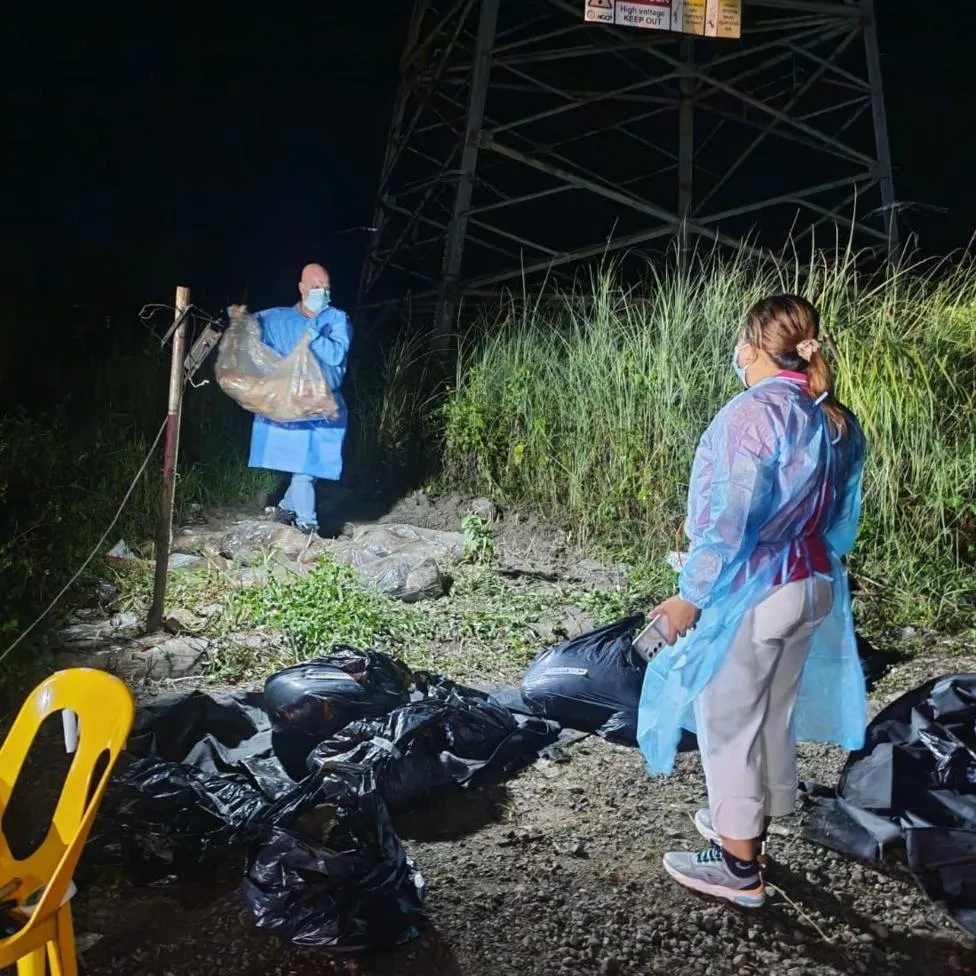
Chris and Geraldine Taylor documenting plastic-wrapped animal remains at a dumpsite in Bulacan.
An animal rescue group in the Philippines has uncovered approximately 170 dead pets discarded across 15 suburban dumpsites after grieving owners paid commercial crematories for individual send-offs. The gruesome discovery has sparked an investigation by the National Bureau of Investigation, filed complaints against four individuals, and triggered nationwide outrage over pet industry oversight.
- LocationBulacan and Bacoor, Philippines
- DiscoverersLuna and Furry Siblings (LAFS)
- Estimated Remains~170 animals across 15 sites
- Key BusinessesAhjay Paws and Pet HPHT Crematory
- Authorities InvolvedNational Bureau of Investigation (NBI)
Photos
3 photosWhat happened
A horrific discovery in the suburbs of Bulacan, near the Philippine capital of Manila, has revealed that approximately 170 dead pets—including dogs, cats, and puppies—were discarded in mass dumpsites instead of being cremated. Animals wrapped in plastic bags marked with names and weights were found abandoned along service roads, sealed in septic tanks, floating in rivers, and buried in vacant lots.
Grieving owners who paid pet cremation businesses for individual services and memorial urns are now confronting the devastating possibility that the remains returned to them belong to other animals or that their cherished pets were treated as common trash. The scandal came to light after animal rescue volunteers live-streamed their investigation into an initial roadside dumping site, prompting a flood of tips from local residents and pet owners.
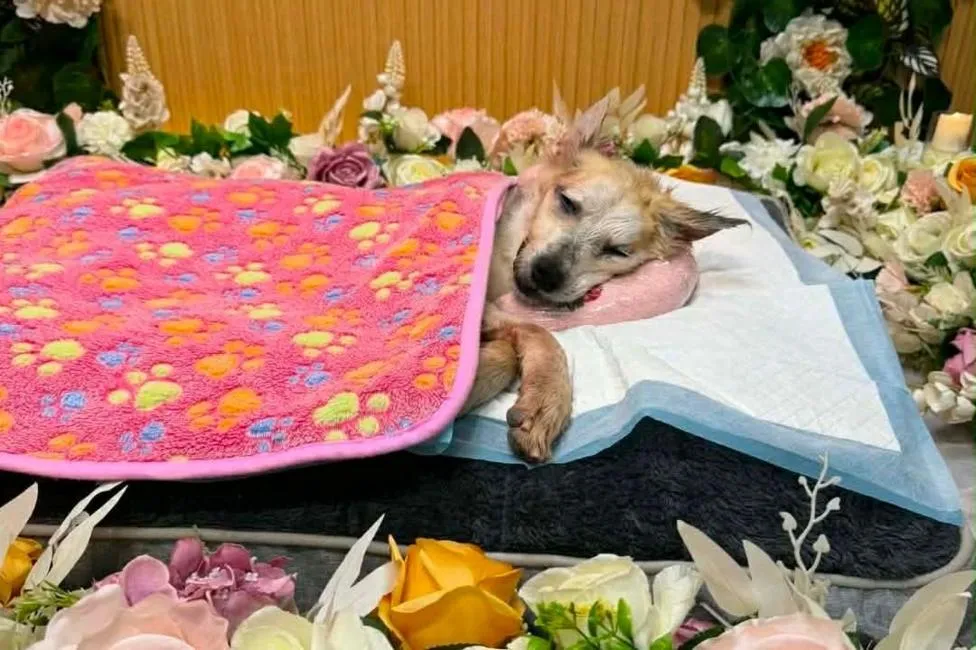
A dog resting on a memorial bed decorated with flowers before cremation.
How it unfolded
The scandal broke on 30 October when Chris Taylor, a retired former police officer running the animal rescue NGO Luna and Furry Siblings (LAFS) with his wife Geraldine in San Jose del Monte, followed a local official to a roadside complaint. Upon discovering plastic-wrapped animal remains, Chris documented the scene and broadcasted footage on Facebook.
Encouraged by public response, LAFS called for community intelligence, leading to the identification of 15 separate dumpsites and roughly 170 animal remains. Many owners identified a common link: they had paid a crematorium named Ahjay Paws, located in Bacoor, to handle their pets' final rites. Subsequent investigations by the National Bureau of Investigation (NBI) led to criminal complaints filed against four individuals associated with Ahjay Paws and another firm, Pet HPHT Crematory.
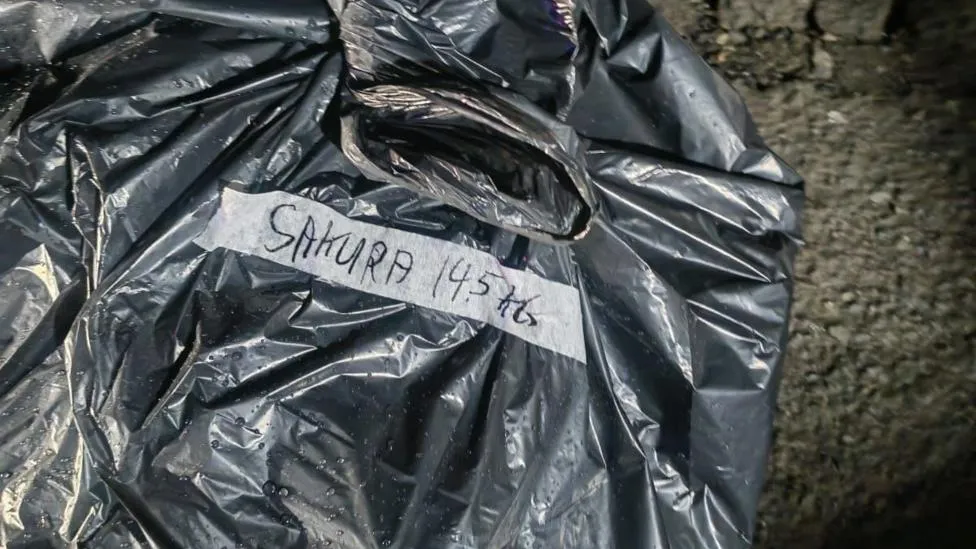
A discarded black plastic bag at a dumpsite, labeled with a pet's name and weight.
The people involved
Chris and Geraldine Taylor operate LAFS, an animal rescue shelter in San Jose del Monte, approximately 30km north-east of central Manila, where they have spent three years rescuing animals. Their viral livestreams mobilized grieving pet owners such as Revecca Calling and Emelia Legada, who had paid thousands of Philippine pesos to Ahjay Paws for cremating their dogs Olaf and Harvey.
Legal and advocacy efforts are being supported by organizations like the Philippine Animal Welfare Society (Paws), directed by Anna Cabrera, which is volunteering legal assistance and calling for industry audits. Political figures such as Percival Vilar Cendaña of the Akbayan Party have highlighted the public outcry on national television, demanding accountability for what he termed a widespread syndicate.
Why it matters
The discovery exposes deep vulnerabilities in the booming post-pandemic pet care industry in the Philippines, where pet ownership has surged significantly. For grieving owners, the betrayal strikes at the heart of the emotional bond shared with their animals, leaving them with profound psychological distress and uncertainty regarding the contents of their memorial urns.
Institutionally, the case highlights regulatory gaps in animal welfare laws, which currently do not cover the treatment of animals after death. Lawmakers and welfare advocates are now pushing for comprehensive national oversight, stricter enforcement, and legal reforms to ensure dignity for pets and accountability for commercial operators.
The background
The Philippines has experienced a massive boom in pet ownership, particularly dogs, following the Covid-19 pandemic, with studies indicating the country holds high ownership rates in the Asia-Pacific region. As the pet population exceeded 21 million by 2025, commercial services addressing end-of-life care, including specialized pet crematories and memorial wakes, expanded rapidly to meet demand.
However, regulatory frameworks governing these commercial pet services have lagged behind the industry's rapid commercialization. Existing animal welfare legislation focuses primarily on live animal treatment, leaving post-mortem handling largely unregulated and vulnerable to exploitation by unscrupulous operators.
Response and aftermath
In the wake of the scandal, the NBI filed criminal complaints against four individuals connected to Ahjay Paws and Pet HPHT Crematory, investigating potential charges of financial fraud under Philippine law, known as estafa. Ahjay Paws has reportedly ceased operations, while Pet HPHT stated on Facebook that the dumping allegations were baseless.
Support networks have mobilized to assist affected owners: a veterinarian in Quezon City is offering complimentary forensic ash testing, alternative crematoriums are re-performing cremations for free, and Paws has received over 150 requests for legal aid. Meanwhile, lawmakers are advocating for a national commission on animal welfare to prevent future abuses.
What we still don't know
Many crucial details regarding the scale and coordination of the dumping remain unverified by authorities. Neither the police nor the NBI have officially confirmed whether the incidents were part of a coordinated syndicate or a widespread operation, or merely the result of severe operational failures by overwhelmed businesses.
Additionally, the precise mechanism of how many individual bodies were swapped or neglected, the exact timeline of the dumpings across all 15 locations, and the full extent of financial deceit perpetrated by the involved firms are still under investigation.
Want more on this story? Our research assistant searches the latest reports across the web and explains what it finds, so you get the fuller picture in one place.