
Inside the covert race to save the UK's supermarket fridges from hackers
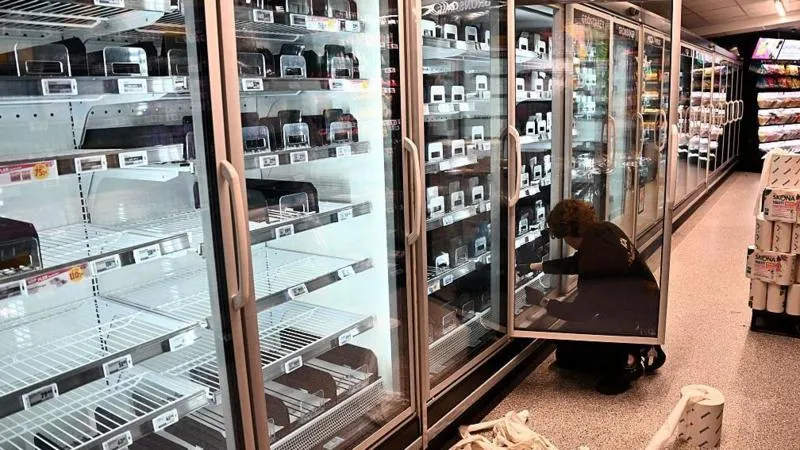
A worker inspects supermarket refrigeration units. Thousands of similar commercial fridges across the UK were temporarily taken offline or disconnected from the internet to guard against potential cyber-attacks.
A secretive emergency operation has successfully shielded tens of thousands of commercial fridges and freezers across the UK from potential cyber-attacks. Security experts and government agencies raced to unplug vulnerable internet-connected temperature controllers after similar devices were targeted across continental Europe. Although the equipment manufacturer disputes the severity of the flaw, major supermarkets and food suppliers have rushed out patches and manual monitoring protocols.
- CompanyResource Data Management (RDM)
- ProductRefrigeration temperature controllers
- Why nowWave of attacks hit European supermarkets and blood banks
- What changesDevices taken offline, manual temperature checks, software patches deployed
- StatusOngoing monitoring with no current signs of malicious activity
Photos
1 photosWhat happened
A covert, large-scale cyber-security intervention was launched across the United Kingdom to prevent potential hacker attacks on commercial refrigeration units. Tens of thousands of fridges and freezers powering major supermarkets, warehouses, restaurants, petrol stations, and sports stadiums were targeted in the emergency response.
Security researchers discovered a significant vulnerability in late October that could have led to widespread food spoilage and severe supply chain disruptions. In response, IT teams worked around the clock to unplug or digitally disconnect vulnerable devices from the open internet, relying in some cases on manual temperature monitoring.
How it unfolded
The threat came to light after staff at refrigeration consultants Omega Solutions identified a security flaw, which was subsequently verified and expanded upon by experts at Pen Test Partners. Government bodies including the National Cyber Security Centre (NCSC), the Department for Environment, Food & Rural Affairs (Defra), and the Food Standards Agency (FSA) stepped in to coordinate an urgent warning campaign.
Authorities and industry players held conference calls to alert at-risk firms. Major supermarkets diverted internal IT personnel to tackle the issue, with one chain reporting hundreds of devices taken offline daily over the course of a week to outpace an anticipated wave of attacks.
The people involved
The effort involved a coalition of ethical hackers, corporate IT departments, and British regulatory bodies. Ken Munro of Pen Test Partners and researchers at Omega Solutions led the technical discovery and warning process alongside government oversight from the NCSC, Defra, and the FSA.
On the manufacturing side, British firm Resource Data Management (RDM) cooperated with authorities while defending its hardware's security. Ged Evans, CEO of RDM, maintained that the discovered flaws were identified in a test environment through procedures that went beyond standard practices by dismantling physical hardware.
Why it matters
The operation prevented what could have been a devastating blow to the UK food supply chain. Warehouses and retail facilities hold millions of pounds worth of perishable goods that rely entirely on stable climate control.
A successful exploit could have caused widespread food spoilage, commercial interruption, and shortages across supermarkets, convenience stores, restaurants, and cold storage sites. Beyond retail, convenience outlets, fast-food chains, hotels, and even a small number of sensitive medical sites rely on similar temperature management infrastructure.
The background
The UK operation was prompted by a series of unsettling cyber-attacks targeting commercial refrigeration systems across continental Europe earlier in the year. In August, fridges at a small number of US military bases were impacted. On October 11 and 12, hundreds of supermarkets and food processing sites in France were hit through targeted Danfoss temperature control systems, with France later attributing the attack to Iran—a claim Tehran denies.
A subsequent wave on November 1 and 2 struck dozens of supermarkets across seven European countries, heavily impacting Belgium and Luxembourg, alongside a small number of French blood bank sites. These international incidents prompted British experts to audit popular domestic controllers, uncovering comparable password vulnerabilities.
Response and aftermath
Faced with potential disaster, UK companies rushed to implement mitigations. Technicians physically severed internet connections or isolated devices remotely, forcing staff to log temperatures by hand. RDM deployed initial software patch releases to address the concerns raised by researchers while maintaining active contact with customers.
While RDM argued that comparisons to the European hacks were unfair because exploiting their units would theoretically require physical access to hardware purchased online, the company praised the collaborative response. Authorities confirmed there has been no sign of malicious activity on the controllers so far.
What we still don't know
It remains unverified precisely how many individual companies or distinct locations were ultimately forced to revert to manual temperature monitoring during the emergency window. Furthermore, public details regarding the full extent of the software patches deployed across every industry sector have not been exhaustively detailed.
Want more on this story? Our research assistant searches the latest reports across the web and explains what it finds, so you get the fuller picture in one place.