
How the UN Climate Summit Collapsed Over Fossil Fuels in Antalya
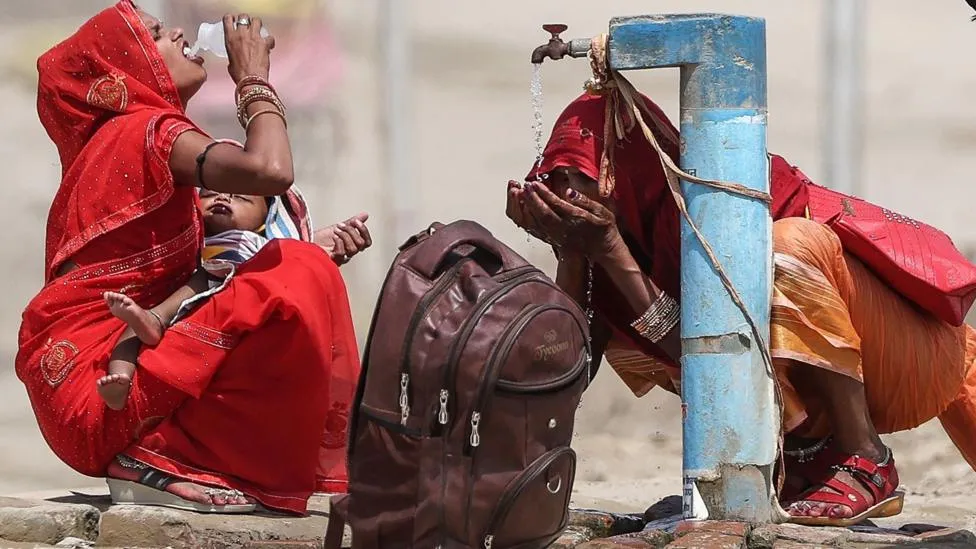
The UN's COP31 climate conference in Antalya, Turkey, concluded without a central political agreement after two weeks of tense negotiations. Jointly hosted by Australia and Turkey, the talks broke down when the European Union, the United Kingdom, and allied developing nations rejected a draft text that omitted any mention of fossil fuels. While smaller procedural matters were advanced, the failure to secure a core pact has intensified doubts about the future of consensus-driven global climate diplomacy.
- WhenNovember 2026
- WhereAntalya, Turkey
- WhoDelegations from nearly 200 countries, co-hosted by Australia and Turkey
- StatusCentral political agreement failed; talks ended without consensus
What happened
The United Nations' annual climate conference, known as COP31, concluded on a Sunday in Antalya, Turkey, without adopting its central political agreement, the Antalya Pacts. The collapse occurred after weeks of contentious negotiations involving delegations from nearly 200 countries.
The talks ran deep into overtime, making them the longest-running climate negotiations in UN history. Delegates and officials failed to bridge unbridgeable red lines regarding language on fossil fuels, leaving the summit without its core overarching outcome.
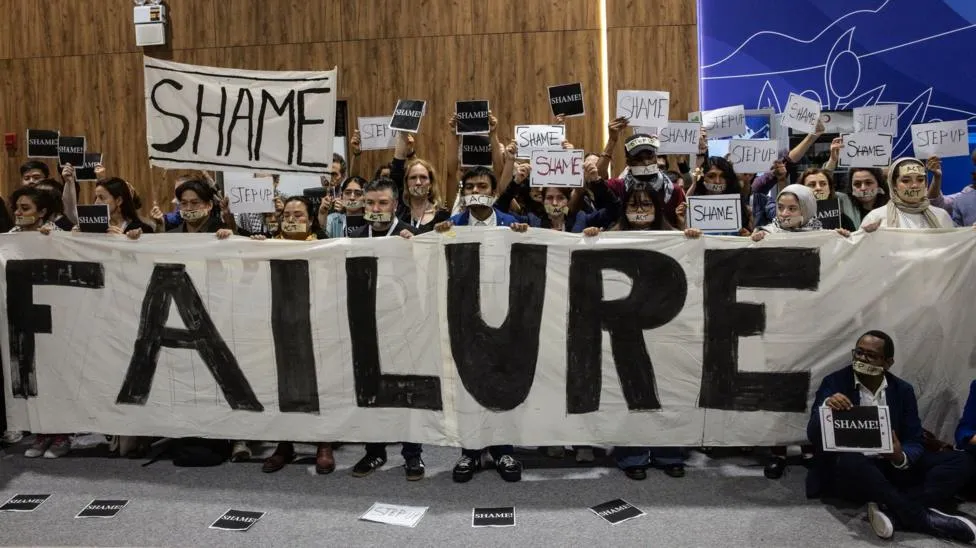
Delegates and civil society members protest inside the conference hall following the breakdown of the talks.
How it unfolded
As the scheduled final Friday of the conference passed, discussions dragged on through the weekend amid mounting friction. An initial draft text had contained language referencing the phase-out of fossil fuels, but that wording disappeared in subsequent revisions.
By Sunday afternoon, the European Union, the United Kingdom, and a coalition of developing nations and island states refused to endorse the revised draft. When Turkey's COP president, Murat Kurum, acknowledged that unanimous consensus could not be reached, the overarching cover decision was officially dropped.
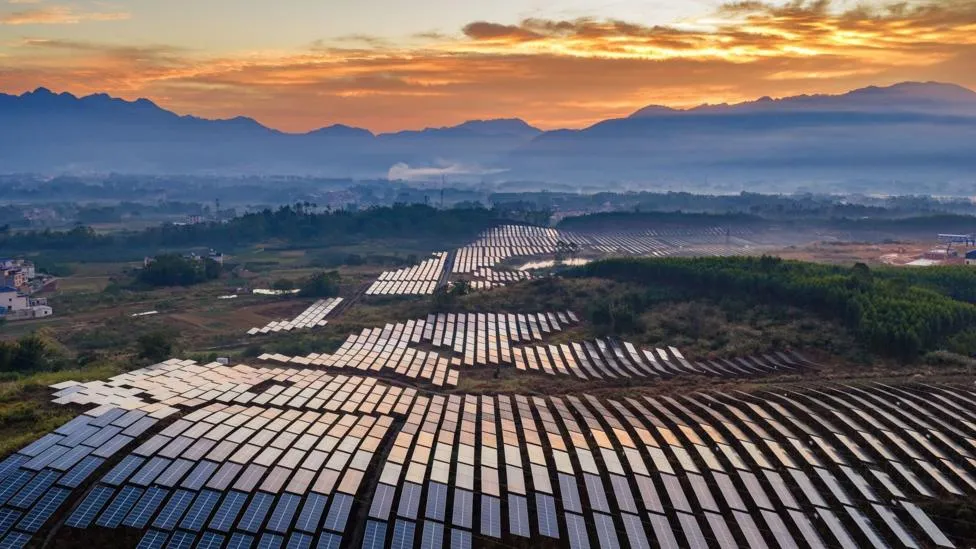
An expanse of solar panel arrays spanning a hillside landscape, illustrating the ongoing global expansion of renewable energy outside formal negotiations.
What the reports confirm
All reports agree that COP31 was jointly hosted by Australia and Turkey in Antalya, and that the summit became the longest in UN history before failing to adopt a final cover text. They confirm that the breakdown was driven by fierce opposition from the European Union, the United Kingdom, and various developing nations against a draft agreement devoid of fossil fuel references.
While Report A emphasizes that numerous secondary agenda items and procedural frameworks—such as just transition guidelines—were successfully advanced, Reports B and C focus heavily on the diplomatic showdown, the accusations traded between oil states and European delegates, and the profound disappointment expressed by UN Secretary-General António Guterres.
The people involved
The negotiations were co-led by Australian Climate and Energy Minister Chris Bowen and Turkish Environment Minister and COP President Murat Kurum. Both defended their handling of the fractured geopolitical landscape, noting the immense complexity of reaching a consensus.
Dissenting voices included Ireland's environment minister, Darragh O'Brien, who spoke forcefully for the European Union, and Panama's environment minister, Juan Carlos Navarro. Prominent institutional figures, including UN Secretary-General António Guterres and International Energy Agency head Fatih Birol, also weighed heavily on the proceedings.
Why it matters
The failure to secure a central agreement at COP31 strikes a severe blow to multilateralism and the shared global commitment to tackle rising temperatures. With scientific bodies warning that global warming is poised to exceed the 1.5 degrees Celsius pre-industrial threshold, the inability of governments to reaffirm or strengthen prior pledges threatens coordinated international climate action.
Developing nations and vulnerable island states face immediate risks from extreme weather and climate impacts, relying heavily on financial and structural commitments from wealthy nations that remain contested and unresolved.
The background
The annual Conference of the Parties (COP) operates under the United Nations Framework Convention on Climate Change, tracing its foundational architecture to the landmark Paris Agreement signed in 2015. That accord established a collective goal to limit global warming to well below 2 degrees Celsius while pursuing efforts to cap it at 1.5 degrees.
In subsequent years, summits have tackled specific pillars of international climate policy, including loss and damage funds, renewable energy capacity targets, and climate finance commitments. COP31 in Antalya had been billed by its hosts as an 'implementation COP,' intended to shift focus from drafting frameworks to delivering actual progress.
Response and aftermath
Reactions to the summit's collapse were swift and sharply divided. UN Secretary-General António Guterres expressed deep disappointment, emphasizing that while consensus failed in the negotiating room, the underlying science of climate change remains unambiguous.
Conversely, fossil fuel-producing states defended elements of the text, such as provisions for carbon capture and storage technology. Advocacy groups and civil society representatives staged demonstrations and voiced frustration over what they termed a historic failure of political will.
What happens next
Unresolved issues and mandates that failed to secure consensus at Antalya will be forwarded to future gatherings, including COP32. Key work programs focused on driving forward emissions reductions and refining climate finance targets will be picked up by upcoming negotiating sessions.
Meanwhile, as formal diplomatic negotiations face structural roadblocks, market-driven forces such as the rapid cost-competitiveness of solar energy, battery storage, and electric vehicles continue to accelerate the global energy transition outside of official UN treaty rooms.
What we still don't know
The reports do not specify the exact voting breakdown or formal tally of which specific nations formally opposed or supported each iteration of the draft text beyond the broad coalitions mentioned. Furthermore, the precise financial figures that rich nations will ultimately provide for post-2035 adaptation remain unspecified.
Want more on this story? Our research assistant searches the latest reports across the web and explains what it finds, so you get the fuller picture in one place.