
Houthi Missile Strike Damages Riyadh's Tallest Skyscraper in Second Financial District Attack
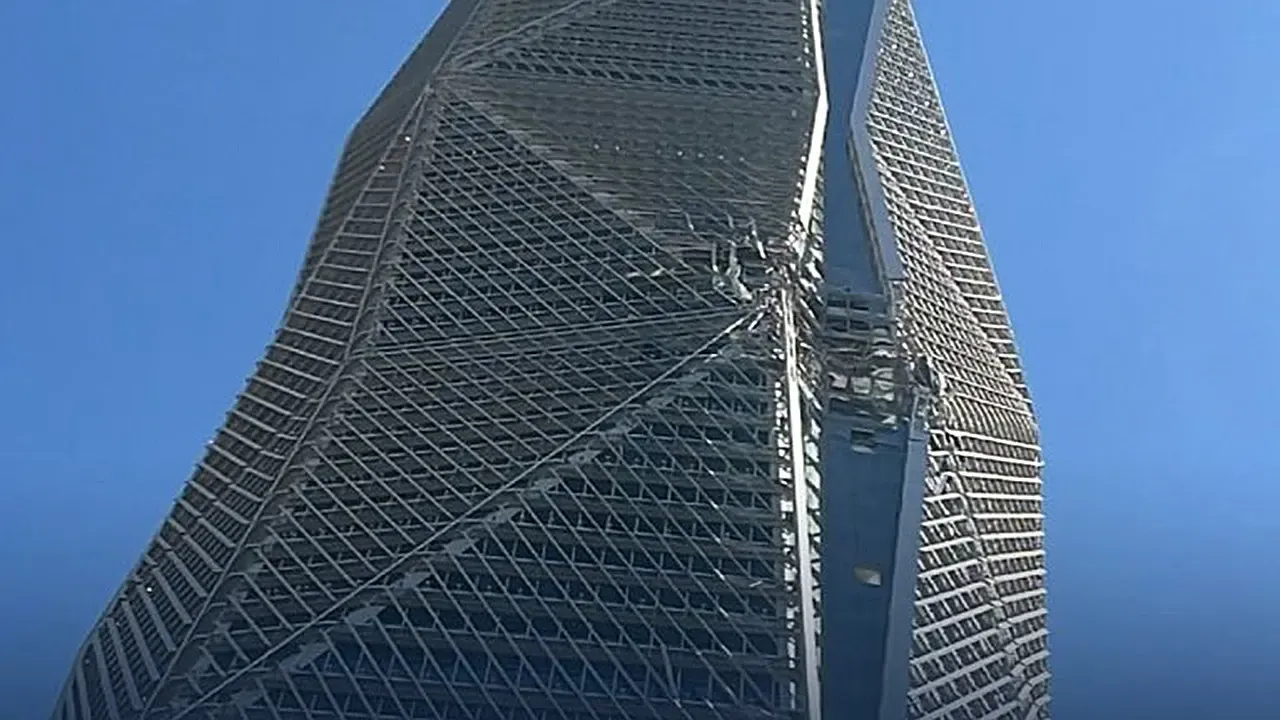
The Public Investment Fund Tower in Riyadh, Saudi Arabia, showing structural damage to its facade and windows following the Houthi attack on November 19, 2026.
A Houthi missile attack on Thursday struck the Public Investment Fund Tower in Riyadh's King Abdullah Financial District, shattering windows across multiple floors of the capital's tallest skyscraper. While no injuries were reported, the strike marks the second hit to the financial hub in less than two weeks amid escalating regional hostilities. Saudi authorities condemned the assault, vowing to protect national sovereignty as broader military engagements intensify.
- WhenThursday, November 19, 2026
- WhereKing Abdullah Financial District, Riyadh, Saudi Arabia
- TargetPublic Investment Fund Tower (PIF Tower)
- CasualtiesNone reported
- StatusDamage surveyed across 7 to 8 floors; entrances evacuated
Photos
1 photosWhat happened
A projectile strike on Thursday, November 19, 2026, hit the Public Investment Fund Tower, the tallest skyscraper in Riyadh, Saudi Arabia. Located in the King Abdullah Financial District, the 385-meter (1,263-foot) tower suffered material damage to its metal facade and windows across seven to eight floors.
Authorities confirmed that entrances leading into the financial district were closed and nearby areas were evacuated following the incident. Despite the severity of the structural damage to the upper floors, officials reported zero injuries or casualties from the strike.
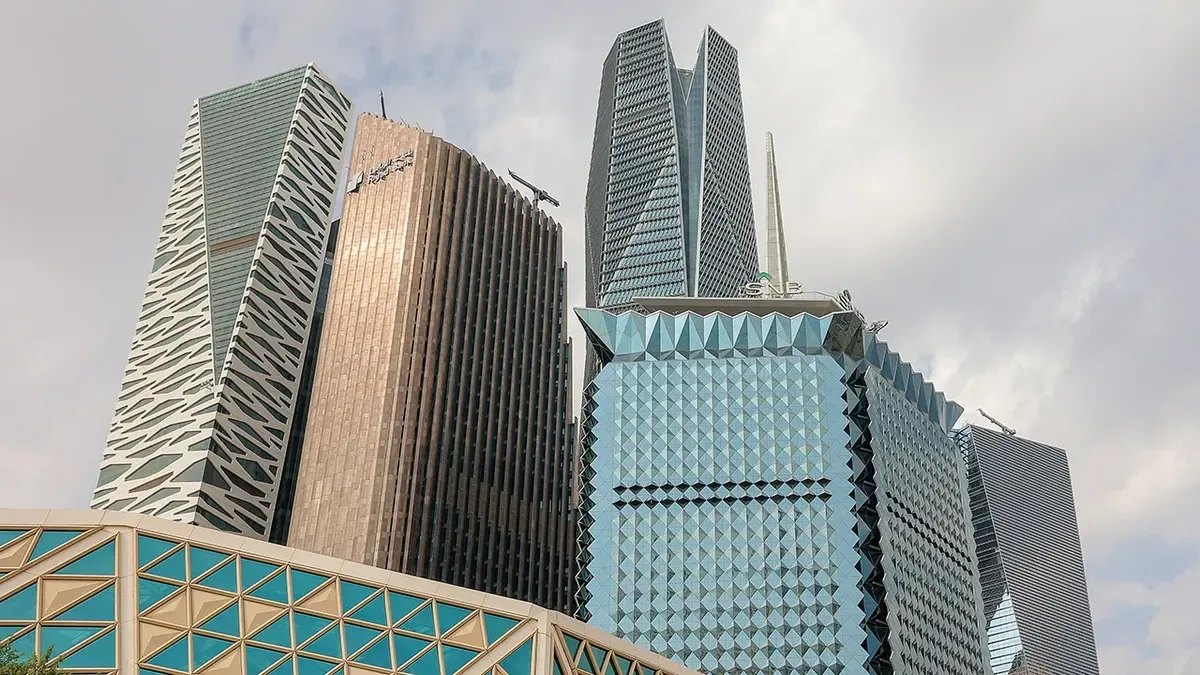
An exterior view of skyscrapers in the King Abdullah Financial District in Riyadh, including the KAFD World Trade Center, Riyadh Bank building, and Saudi National Bank headquarters.
How it unfolded
The escalation began on Thursday when a loud boom echoed across the Saudi capital of Riyadh, prompting emergency responses from the General Directorate of Saudi Civil Defense and the Saudi-led coalition.
While the Saudi-led coalition reported intercepting missile threats launched toward Riyadh and destroying a ballistic missile launchpad in Yemen, witnesses and reports confirmed that a projectile made impact with the sovereign wealth fund tower. Witnesses noted that most employees had been working remotely from the tower since early September, mitigating potential risks.
What the reports confirm
All reports agree that a Houthi attack on Thursday struck the Public Investment Fund Tower in Riyadh's financial hub, causing material damage across several floors without causing casualties. They also confirm that this is the second time in under two weeks that the district has been targeted, following a November 8 strike on an Aramco building.
Discrepancies remain regarding the exact mechanics of the strike: while direct witness accounts and certain reports indicate a direct missile impact on the building, the Saudi-led coalition's initial assessments pointed toward falling debris from intercepted ballistic missiles.
Why it matters
The targeting of the Public Investment Fund Tower strikes directly at the heart of Saudi Arabia's modern economic ambitions. The tower houses the nation's sovereign wealth fund—chaired by Crown Prince Mohammed bin Salman—which holds over $900 billion in assets and serves as the primary engine for the kingdom's drive to diversify its economy beyond oil.
Repeated successful strikes on high-profile civilian and financial infrastructure in Riyadh demonstrate that core symbols of Saudi economic transformation are well within Houthi missile range, raising severe security concerns for multinational firms and financial institutions operating in the district.
The background
The Houthis, formally known as Ansar Allah, are an Iran-aligned armed group controlling the most populous regions of Yemen, including the capital Sanaa. A 2022 United Nations-brokered truce had largely halted open conflict between the Houthis and the Saudi-led coalition, which backs Yemen’s internationally recognised government.
However, fighting reignited significantly following broader regional escalations, including conflicts involving the United States, Israel, and Iran earlier in the year. The Houthis have increasingly leveraged drones and ballistic missiles against Saudi civilian airports, oil installations, and office complexes.
Response and aftermath
In response to the attack, Saudi Arabia’s Foreign Ministry issued a stern condemnation, affirming the kingdom's legitimate right to defend its sovereignty, secure national assets, and protect citizens and residents. The ministry called on the international community to enforce United Nations Security Council resolutions against the group.
Concurrently, Saudi-led coalition forces launched retaliatory air operations, destroying ballistic missile launch platforms in Yemen and intercepting incoming projectiles over the kingdom's southern border regions.
What we still don't know
Exact details regarding the specific type of missile used in the direct strike on the Public Investment Fund Tower remain unverified by official military spokesmen. Furthermore, comprehensive repair timelines and the precise financial valuation of the structural damage to the tower's facade and interior have not yet been publicly disclosed by authorities.
Want more on this story? Our research assistant searches the latest reports across the web and explains what it finds, so you get the fuller picture in one place.