
Gold Star Families Dissatisfied With Military Briefings on Fatal Kuwait Drone Strike
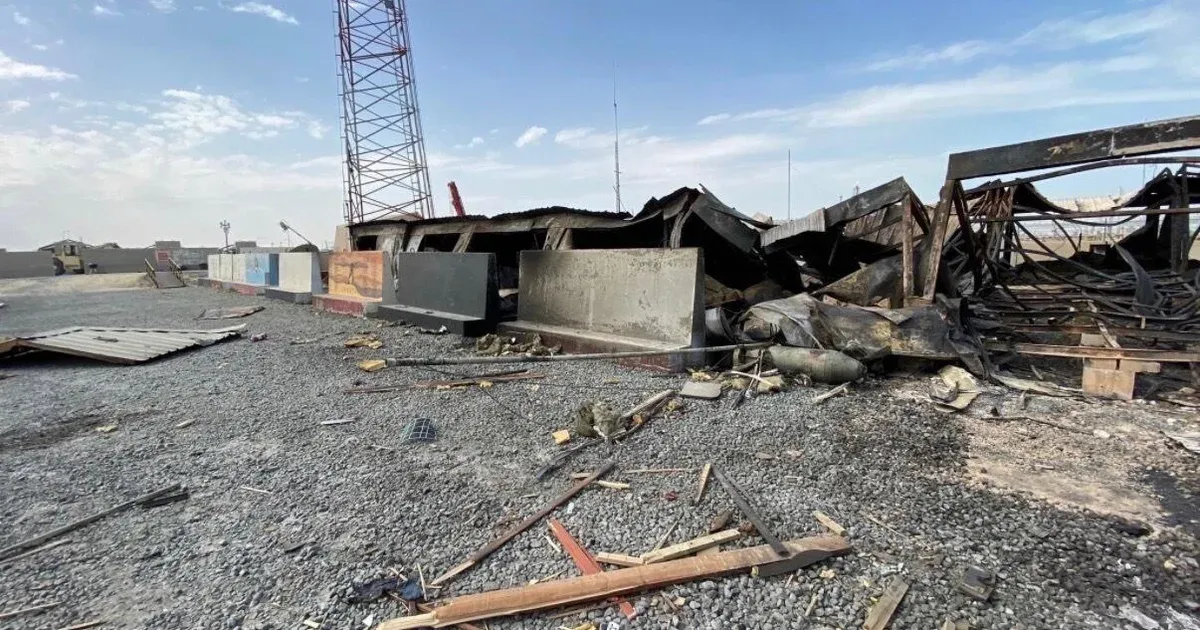
A damaged structure and debris at the U.S. command post in Port Shuaiba, Kuwait, following the March 1 drone strike.
Gold Star families have expressed frustration after receiving private briefings from the U.S. Army regarding a March 1 drone strike that killed six U.S. Army Reserve soldiers in Kuwait. The briefings followed the filing of a congressional whistleblower complaint by a surviving major who alleges that senior leadership ignored warnings about vulnerabilities at the command post. While the Pentagon's internal probe concluded in June, families are only now receiving unclassified findings as they await public release of the official report.
- WhenMarch 1 (Attack) / Mid-November (Family Briefings)
- WherePort Shuaiba command post, Kuwait
- WhoSix U.S. Army Reserve soldiers killed; Gold Star families; Maj. Stephen Ramsbottom (Whistleblower)
- Casualties6 U.S. Army Reserve soldiers killed
- StatusInternal probe concluded in June; official report pending public release
Photos
2 photosWhat happened
On March 1, a drone strike hit a U.S. command post at Port Shuaiba in Kuwait, resulting in the deaths of six U.S. Army Reserve soldiers. The attack took place during Operation Epic Fury amid the broader conflict with Iran. The facility served as a command post for U.S. forces in the region.
Months after the incident, the U.S. Army began conducting private, individual briefings for Gold Star families regarding the unclassified results of an internal military investigation. However, family members who attended have voiced deep dissatisfaction, stating the briefings failed to adequately address concerns regarding military preparations, defensive fortifications, and the overall response to the attack.
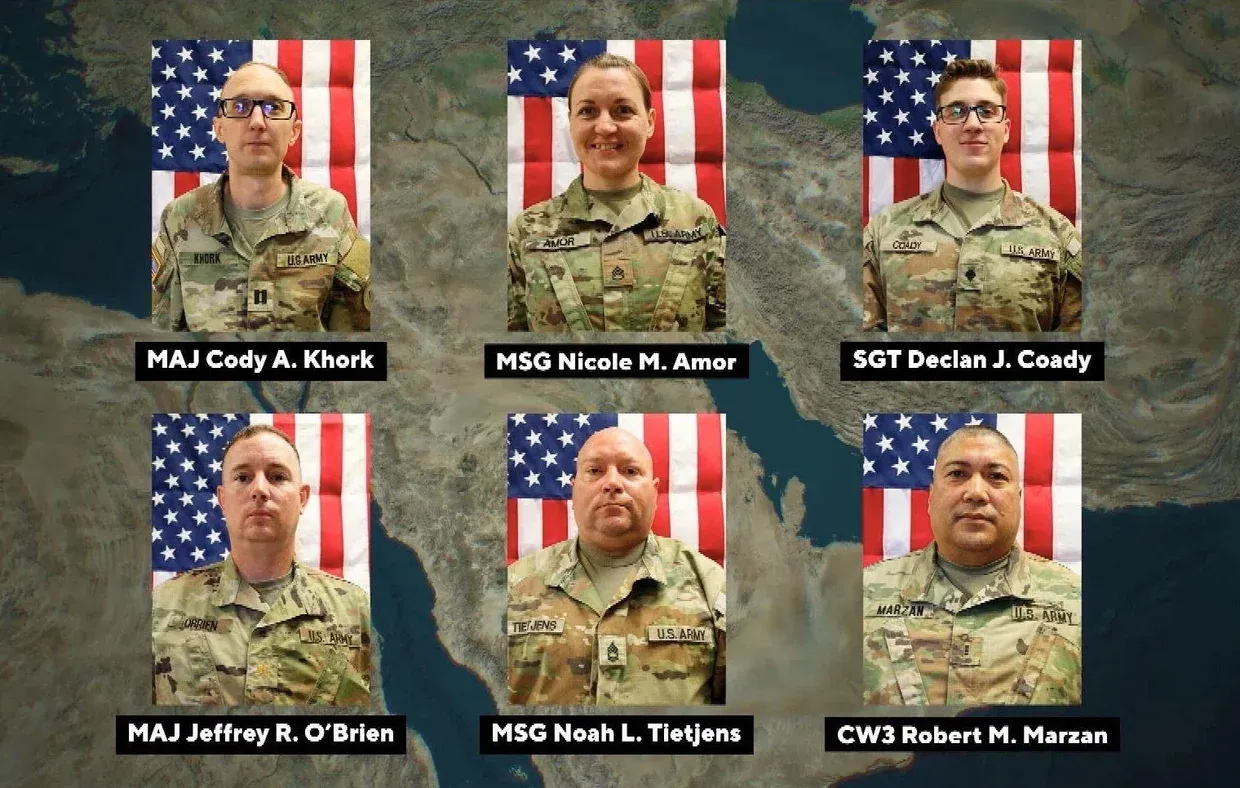
Portraits of the six U.S. Army Reserve soldiers killed in the March 1 attack.
How it unfolded
The internal military probe into the Port Shuaiba attack concluded in June, but the findings were not shared with affected families until mid-November. Over the course of a week, the Army briefed at least three Gold Star families individually at military or National Guard posts near their homes.
These briefings were led by Brig. Gen. Peter Glass, the deputy commander of U.S. Army Central. Attendees reported that the sessions were emotional and sometimes tense, with family members pressing for answers about why their loved ones' unit was stationed at Port Shuaiba when most other troops had been relocated out of Kuwait ahead of Operation Epic Fury.
The people involved
The briefings directly involved Gold Star family members of the fallen soldiers, including Joey Amor, whose wife, Master Sgt. Nicole Amor, was among those killed in the strike. Mr. Amor stated that investigators told him his wife's injuries were too severe to survive regardless of medical resources, though he maintains she might have had a chance with a better emergency plan.
Simultaneously, Army Maj. Stephen Ramsbottom, a survivor of the attack, submitted a whistleblower complaint to the House and Senate Armed Services Committees on November 13. In his complaint, Ramsbottom alleges that senior leaders—specifically identifying Brig. Gen. Clint Barnes and Maj. Gen. John Hinson—dismissed warnings about drone threats and failed to establish adequate anti-drone protections at the command post.
Why it matters
The controversy highlights critical questions surrounding force protection and military preparedness for U.S. service members deployed in high-risk zones during conflicts. For the families of the fallen, the lack of perceived accountability or comprehensive answers in the internal report deepens the grief and loss associated with the tragedy.
Additionally, the whistleblower complaint places renewed scrutiny on military command structures and the handling of intelligence warnings regarding one-way attack drones, a prominent weapon in the Iranian arsenal. The outcome of these inquiries could impact future operational planning and safety protocols for stationed troops.
The background
The strike at Port Shuaiba stands as one of the deadliest attacks on U.S. soldiers during the conflict involving Iran and Operation Epic Fury. Prior to the attack, witnesses indicated that the facilities lacked sufficient fortification against one-way attack drones, adequate medical supplies, and comprehensive mass casualty response plans.
Furthermore, sources familiar with an eight-month investigation asserted that Army commanders had ignored repeated warnings in the weeks leading up to the strike, noting that U.S. intelligence prior to the war had placed the location on an Iranian target list.
Response and aftermath
The Pentagon has largely declined to comment on the matter for months, though it confirmed that its internal investigation concluded in June. The delay in sharing these findings with the families until November has added to their frustration.
Neither Brig. Gen. Clint Barnes nor Maj. Gen. John Hinson responded to multiple requests for comment regarding the allegations made in Maj. Ramsbottom's whistleblower complaint.
What happens next
Congressional committees are reviewing the whistleblower complaint submitted by Maj. Stephen Ramsbottom, which calls for an independent investigation into the command decisions preceding the attack.
Meanwhile, the Pentagon has indicated that the official, unclassified internal report on the Port Shuaiba strike could be made available to the public within a matter of days.
What we still don't know
It remains unannounced precisely when the Pentagon will officially release the full internal report to the broader public.
Specific details regarding what disciplinary actions, policy shifts, or structural changes military leadership plans to implement in response to the findings and the whistleblower complaint have not yet been reported.
Want more on this story? Our research assistant searches the latest reports across the web and explains what it finds, so you get the fuller picture in one place.